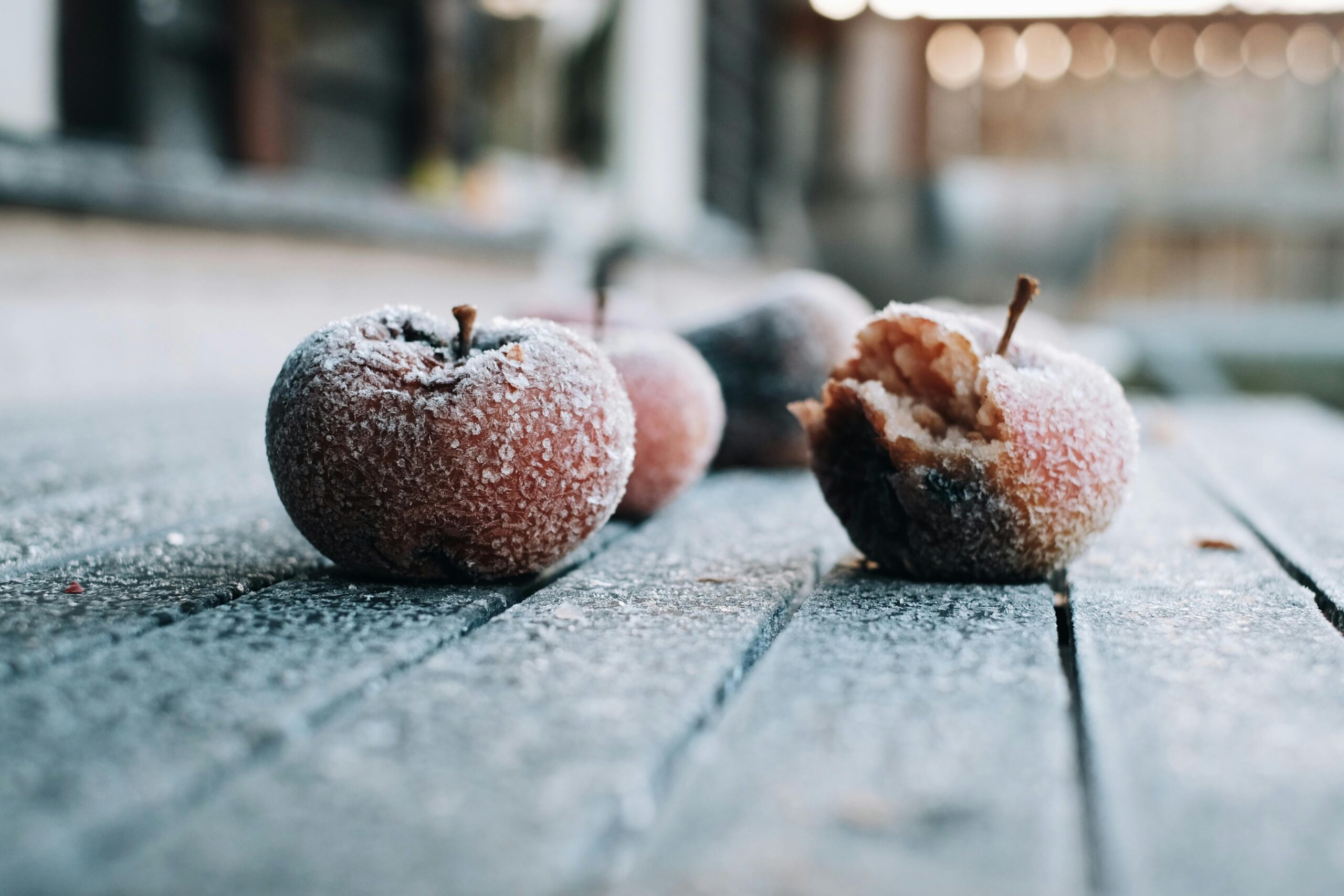
The frozen food industry relies on a delicate balance between ice crystal formation and texture preservation, where water content plays the starring role in maintaining quality during storage.

🧊 The Fascinating Science Behind Frozen Food Textures
When we bite into a perfectly frozen dessert or thaw a piece of frozen fish that tastes fresh, we rarely stop to consider the complex science happening at the molecular level. The secret to maintaining these cryo-textures lies in understanding how water behaves when temperatures plummet below freezing point. Water content isn’t just a measurement—it’s the architect of texture stability in frozen products.
Frozen foods represent a multi-billion dollar global industry, yet the challenges of maintaining texture quality during freezing, storage, and thawing remain significant. Ice cream manufacturers, frozen food producers, and cryopreservation specialists all grapple with the same fundamental question: how do we keep textures stable when water transforms from liquid to solid?
Why Water Content Matters More Than You Think
Water constitutes 60-95% of most food products, making it the dominant component affecting texture. When food freezes, water molecules arrange themselves into crystalline structures that can dramatically alter the original texture. The amount of water present, its distribution throughout the product, and how quickly it freezes all determine whether you get a smooth sorbet or an icy, grainy disappointment.
The relationship between water content and cryo-texture stability operates on multiple levels. Free water—the mobile water not bound to proteins or carbohydrates—freezes first and forms the largest ice crystals. Bound water, attached to molecular structures, resists freezing and helps preserve texture. The ratio between these two types determines how well a product maintains its quality during frozen storage.
The Ice Crystal Formation Challenge
Ice crystals are both necessary and problematic in frozen foods. During freezing, pure water crystallizes first, leaving behind a concentrated solution of solutes. As temperatures drop further, more water freezes, and ice crystals grow. Large ice crystals puncture cell membranes in biological tissues, creating mushiness upon thawing. Small, evenly distributed ice crystals cause less damage and preserve texture better.
The size and distribution of ice crystals depend heavily on initial water content. Foods with higher water content tend to form larger crystals unless frozen very rapidly. This explains why flash-freezing technology has revolutionized the frozen food industry—it creates numerous small ice crystals rather than fewer large ones.
🔬 The Glass Transition Temperature Connection
One of the most critical concepts in cryo-texture stability is the glass transition temperature (Tg’). This represents the temperature at which the unfrozen matrix surrounding ice crystals transitions between a glassy, rigid state and a rubbery, mobile state. Water content profoundly influences this temperature.
When frozen products contain optimal water levels, the Tg’ remains sufficiently low that the product stays in a glassy state during normal freezer storage (around -18°C to -20°C). In this glassy state, molecular mobility is extremely limited, preventing ice recrystallization—the growth of large crystals at the expense of small ones.
However, if water content is too high or storage temperatures fluctuate, the product may enter the rubbery state. Here, water molecules gain mobility, allowing ice crystals to migrate, merge, and grow. This recrystallization process destroys the original texture, creating coarse, grainy structures that consumers reject.
Temperature Fluctuation: The Hidden Texture Destroyer
Even with optimal initial water content and rapid freezing, temperature fluctuations during storage and distribution can sabotage texture stability. Each time frozen products warm slightly, small ice crystals melt at their surfaces. When temperatures drop again, this water refreezes onto larger crystals, accelerating the coarsening process.
Water content determines how vulnerable products are to these temperature cycles. Higher water content means more ice to recrystallize, amplifying texture degradation. Lower water content provides less substrate for crystal growth, enhancing stability.
Strategic Water Management in Different Frozen Products
Different frozen products require different water management strategies to maintain texture stability. Understanding these variations reveals the sophisticated science behind everyday frozen foods.
Ice Cream and Frozen Desserts 🍦
Ice cream represents perhaps the most texture-sensitive frozen product. The ideal ice cream contains 55-64% water, carefully balanced with sugars, fats, proteins, and air. This water content allows approximately 50-60% of the water to freeze during initial hardening, creating a network of small ice crystals suspended in a concentrated, unfrozen phase.
The unfrozen phase remains liquid even at typical freezer temperatures because dissolved sugars and salts depress the freezing point. This liquid phase provides the creamy, scoopable texture consumers expect. Too much water, and the ice cream becomes icy and hard. Too little, and it becomes sticky or gummy.
Premium ice cream manufacturers use ingredients like stabilizers and emulsifiers to manage water mobility. These additives bind water, reducing the free water available for ice crystal growth. The result: smoother texture and better stability during distribution and storage.
Frozen Fruits and Vegetables
Plant tissues contain 80-95% water, presenting significant challenges for texture preservation. When cellular water freezes, ice crystals can rupture cell walls, leading to mushiness upon thawing. The key to maintaining texture lies in freezing speed and pre-treatment strategies.
Blanching vegetables before freezing serves multiple purposes, including inactivating enzymes and partially removing air from tissues. This pre-treatment also allows some controlled water loss, concentrating cell contents and raising the Tg’, which enhances storage stability.
Individual quick freezing (IQF) technology rapidly freezes each piece separately, creating fine ice crystal structures that preserve texture better than slow freezing. The high water content of produce makes rapid freezing essential—the faster the freeze, the smaller the crystals, and the better the texture retention.
💧 Optimizing Water Content for Maximum Stability
Achieving optimal water content for cryo-texture stability requires understanding target moisture levels for different product categories and implementing strategies to reach those levels.
Pre-Freezing Water Adjustment Techniques
Many frozen food manufacturers adjust water content before freezing to enhance texture stability:
- Osmotic dehydration: Soaking products in concentrated sugar or salt solutions draws out water, reducing overall moisture content while adding protective solutes
- Partial drying: Controlled air drying removes surface moisture, concentrating solids and improving freeze-thaw stability
- Ingredient formulation: Adding water-binding ingredients like starches, proteins, or hydrocolloids effectively reduces free water content
- Controlled thawing cycles: Strategic partial thawing and refreezing can sometimes improve texture by redistributing water more evenly
The Role of Cryoprotectants
Cryoprotectants are substances added to frozen products specifically to protect against freeze damage. These compounds work primarily by interacting with water, either binding it or altering its freezing behavior. Common cryoprotectants include sugars (sucrose, glucose, trehalose), polyols (sorbitol, glycerol), and proteins.
Trehalose deserves special mention as a particularly effective cryoprotectant. This disaccharide forms extensive hydrogen bonds with water molecules, significantly raising the Tg’ and preventing ice recrystallization. Many organisms that naturally survive freezing, from tardigrades to arctic fish, use trehalose for protection.
🎯 Measuring and Monitoring Water Content
Effective water content management requires accurate measurement techniques. The frozen food industry employs several methods:
| Method | Principle | Advantages | Limitations |
|---|---|---|---|
| Oven Drying | Evaporates water, measures weight loss | Simple, inexpensive, accurate for total water | Time-consuming, destroys sample |
| Karl Fischer Titration | Chemical reaction specific to water | Highly accurate, works for low moisture | Expensive, requires chemicals |
| Near-Infrared Spectroscopy | Measures water absorption of light | Fast, non-destructive, online capable | Requires calibration, surface measurement |
| Microwave Analysis | Measures dielectric properties of water | Rapid, non-destructive | Interference from other components |
Beyond total water content, distinguishing between free and bound water provides valuable insights for texture prediction. Techniques like differential scanning calorimetry (DSC) can measure freezable water content, indicating how much water will form ice crystals. Low-field nuclear magnetic resonance (NMR) can characterize water mobility and distribution, providing even more detailed information about texture stability potential.
The Future of Cryo-Texture Science
Emerging technologies promise even better control over water behavior in frozen foods. High-pressure freezing applies pressure during freezing, creating novel ice crystal structures with unique properties. Electromagnetic freezing uses electric or magnetic fields to influence ice nucleation and growth, potentially allowing unprecedented control over crystal size and distribution.
Nanotechnology offers exciting possibilities for water management. Nanoparticles can serve as controlled ice nucleation sites, promoting formation of numerous small crystals. Nanoencapsulation of water-binding compounds could provide targeted protection for sensitive textures.
Sustainable Water Management in Frozen Foods
As sustainability becomes increasingly important, water management in frozen foods intersects with environmental concerns. Reducing water content decreases product weight, lowering transportation energy costs. However, this must be balanced against texture quality and consumer expectations.
Some manufacturers are exploring “dry freezing” approaches that minimize water addition during processing. Others investigate plant-based stabilizers and cryoprotectants as sustainable alternatives to synthetic additives. These innovations demonstrate that cryo-texture science continues evolving, driven by both quality and sustainability imperatives.
⚡ Practical Applications for Industry and Home
Understanding water content’s role in cryo-texture stability has practical applications beyond industrial food production. Home freezing success also depends on managing water effectively.
Tips for Home Freezing Success
Home cooks can apply cryo-texture science principles to improve their frozen food quality. Removing excess moisture before freezing vegetables helps prevent ice crystal formation. Wrapping foods tightly eliminates air gaps where frost can form. Using rapid freezing settings when available creates smaller ice crystals. Adding a small amount of lemon juice or ascorbic acid to fruit not only prevents browning but also acts as a mild cryoprotectant.
For home-made ice cream and frozen desserts, reducing water content by using cream instead of milk, or adding egg yolks, improves texture stability. Incorporating stabilizers like gelatin or commercial ice cream stabilizer blends helps manage water mobility during storage.

Breaking Through the Frozen Barriers
The secret to stable cryo-textures ultimately lies in recognizing water not as a passive ingredient but as an active player in texture formation and preservation. Water content determines ice crystal size, glass transition temperature, and recrystallization vulnerability. By optimizing water levels, controlling freezing rates, and using strategic additives, food scientists have unlocked remarkable texture stability in frozen products.
From the smooth creaminess of premium ice cream to the crisp bite of properly frozen vegetables, water content management makes the difference between disappointment and delight. As research continues revealing water’s complex behavior at sub-zero temperatures, we can expect even more impressive frozen food textures in the future.
The next time you enjoy a perfectly textured frozen treat, remember the sophisticated science at work. Behind that pleasant mouthfeel lies careful control of water content, rapid freezing technology, strategic use of stabilizers, and deep understanding of how water behaves when frozen. This knowledge transforms ice from a texture destroyer into a texture creator, unlocking the full potential of frozen food preservation.
Whether you’re a food scientist developing the next generation of frozen products, a manufacturer ensuring quality throughout the cold chain, or a home cook trying to preserve summer’s bounty for winter enjoyment, understanding water’s role in cryo-texture stability empowers you to achieve better results. The secret is out: water content is the key, and managing it effectively unlocks stable, appealing textures that withstand the test of frozen time. 🧊✨