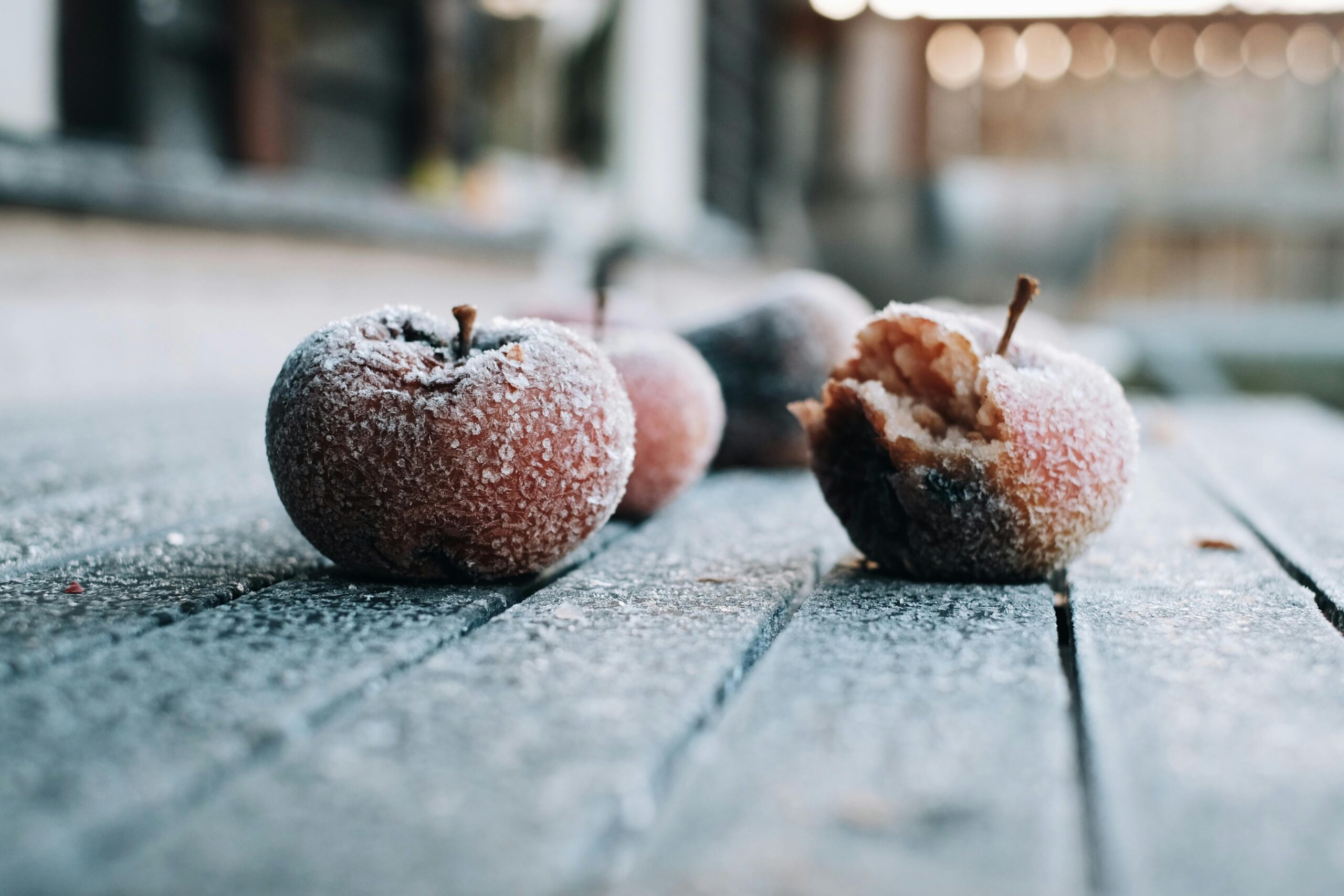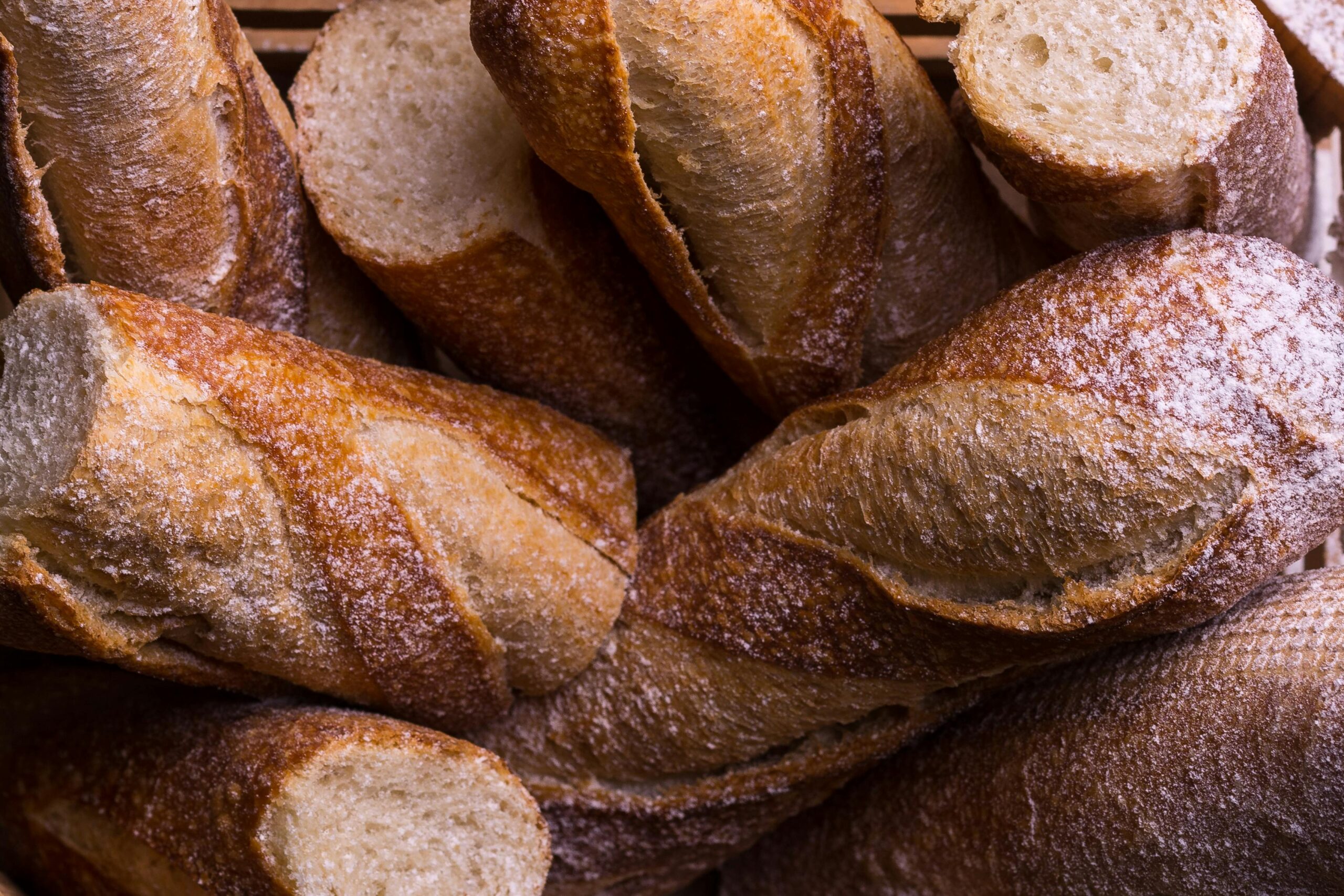
Food texture is a critical factor in quality and consumer satisfaction, and the right packaging plays a decisive role in maintaining that freshness we all crave.

🥗 Why Texture Matters More Than You Think
When we bite into a crispy apple or spread creamy butter on toast, texture creates an immediate sensory experience that defines our enjoyment. The texture of food is as important as its flavor, aroma, and appearance. In fact, studies show that consumers often reject food products based solely on textural changes, even when the product remains safe to eat.
Texture preservation is not merely about maintaining crunchiness or softness. It encompasses a complex interplay of moisture content, cellular structure, fat crystallization, protein configuration, and starch retrogradation. When packaging fails to protect these delicate characteristics, food quickly loses its appeal, leading to waste, economic loss, and disappointed consumers.
The food industry loses billions annually due to texture degradation during storage and distribution. From soggy crackers to hardened bread, from wilted vegetables to separated sauces, textural deterioration represents one of the most significant challenges in food preservation. Understanding how packaging choices directly impact these outcomes is essential for manufacturers, retailers, and conscious consumers alike.
🔬 The Science Behind Texture Degradation
Food texture changes over time due to several biological and chemical processes. Moisture migration stands as the primary culprit behind most textural changes. Water molecules naturally move from areas of high concentration to low concentration, seeking equilibrium. In packaged foods, this means moisture can migrate from one component to another or between the food and its surrounding environment.
Enzymatic activity continues even after harvest or processing, breaking down cell walls in fruits and vegetables, leading to softening and eventual mushiness. Oxidation affects fats and oils, creating rancidity that alters not just flavor but also the structural integrity of food products. Crystallization processes in frozen foods cause ice crystals to grow, rupturing cell membranes and creating undesirable texture upon thawing.
Temperature fluctuations accelerate these degradation processes exponentially. Even minor variations in storage conditions can dramatically reduce shelf life and texture quality. This is where packaging technology becomes crucial, serving as the first line of defense against these natural deterioration mechanisms.
📦 Traditional Packaging Materials and Their Limitations
Conventional packaging materials have served the food industry for decades, each with distinct advantages and drawbacks regarding texture preservation. Paper and cardboard offer breathability and environmental friendliness but provide minimal moisture barriers. These materials work well for products that need air circulation, like fresh produce in some contexts, but fail spectacularly for moisture-sensitive items like crackers or cookies.
Glass containers excel at creating impermeable barriers against gases, moisture, and odors. They preserve texture effectively for products like pickles, jams, and sauces. However, glass adds significant weight, increases transportation costs, and presents breakage risks. The transparency of glass also exposes food to light-induced degradation, affecting both nutritional quality and texture over time.
Traditional plastic packaging varies widely in performance. Basic polyethylene bags offer minimal protection, allowing moisture and oxygen transmission that accelerates staleness. These simple solutions work for short-term storage but cannot maintain texture integrity during extended shelf life periods. Metal cans provide excellent barriers but can interact chemically with certain foods, potentially affecting texture through pH changes or metallic ion migration.
🌟 Modern Barrier Technologies Transforming Food Preservation
Advanced packaging technologies have revolutionized our ability to preserve food texture. Modified Atmosphere Packaging (MAP) replaces the air inside packages with carefully calibrated gas mixtures, typically combining nitrogen, carbon dioxide, and reduced oxygen levels. This technology dramatically slows oxidation, microbial growth, and enzymatic reactions that compromise texture.
MAP keeps lettuce crisp for weeks instead of days, maintains the tender texture of fresh meat, and prevents bakery products from becoming stale prematurely. The technology requires sophisticated machinery and precise gas formulations tailored to specific food types, but the results speak for themselves in extended shelf life and maintained quality.
Vacuum packaging removes air entirely, eliminating oxygen that drives degradation. This approach works exceptionally well for meats, cheeses, and coffee, where oxidation represents the primary threat to texture and flavor. By collapsing the package tightly around the product, vacuum sealing also prevents freezer burn in frozen foods, maintaining texture integrity during long-term storage.
Multi-layer films combine different plastics and sometimes aluminum to create customized barrier properties. A typical structure might include an outer layer for printability and durability, middle layers for oxygen and moisture barriers, and an inner layer compatible with food contact. These sophisticated materials can be engineered to meet the specific preservation needs of virtually any food product.
💧 Moisture Management: The Key to Texture Preservation
Controlling moisture levels within food packaging represents perhaps the most critical factor in texture maintenance. Too much moisture causes crispy foods to become soggy, promotes microbial growth, and accelerates enzymatic breakdown. Too little moisture leads to drying, hardening, and loss of desirable mouthfeel in products meant to be soft or moist.
Desiccants are small packets containing moisture-absorbing materials like silica gel, placed inside packages to maintain low humidity levels. These simple additions protect crackers, cookies, dried fruits, and powdered products from moisture absorption that would ruin their texture. Advanced desiccants can be tailored to absorb specific amounts of moisture, preventing both excess humidity and over-drying.
Humidity-regulating films represent cutting-edge technology in moisture management. These intelligent materials actively regulate moisture transfer, allowing excess water vapor to escape while preventing external moisture from entering. For fresh produce, this creates an optimal microenvironment that extends freshness and maintains the crisp texture consumers expect.
Anti-fog coatings prevent condensation inside packages, which is particularly important for refrigerated products. When moisture condenses on packaging interiors, it can drip onto food surfaces, creating localized wet spots that compromise texture and appearance. Anti-fog technology keeps packaging clear while preventing this moisture accumulation.
🍞 Category-Specific Packaging Solutions
Bakery Products and Snacks
Bread, pastries, cookies, and crackers demand packaging that prevents moisture exchange while allowing minimal gas transmission. Oriented polypropylene (OPP) films with moisture barrier properties maintain crunchiness in crackers and chips while preventing staleness in soft-baked goods. Resealable closures extend freshness after opening, allowing consumers to maintain texture quality throughout product consumption.
Metallized films add superior barrier properties without the weight of aluminum foil, keeping chips crispy and cookies fresh. The thin metal layer blocks light, oxygen, and moisture effectively while remaining flexible and lightweight. Many premium snack brands have adopted these materials to deliver consistently crispy textures from production to consumption.
Fresh Produce
Fruits and vegetables continue respiring after harvest, consuming oxygen and releasing carbon dioxide, water vapor, and ethylene gas. Packaging must balance gas exchange to slow respiration without creating anaerobic conditions that promote spoilage. Perforated films allow controlled gas exchange, maintaining the crisp texture of leafy greens while preventing the buildup of excess moisture that causes sliminess.
Breathable membranes represent advanced solutions for produce packaging, featuring microscopic structures that regulate gas exchange precisely. These materials extend shelf life significantly while maintaining the firm, crisp texture consumers associate with freshness. The technology is particularly effective for berries, herbs, and other delicate items prone to rapid textural degradation.
Meat and Seafood
Protein products face unique challenges including oxidation, moisture loss, and microbial growth. Vacuum skin packaging creates a second skin over meat and seafood, eliminating air pockets while displaying the product attractively. This technology maintains moisture content perfectly, preventing the surface drying that creates tough, discolored exteriors while keeping interiors fresh and tender.
High-oxygen MAP maintains the bright red color consumers expect in fresh meat while the high CO2 content inhibits bacterial growth. Though counterintuitive, the high oxygen actually helps preserve texture by maintaining the natural state of muscle proteins during the critical first days of display.
Frozen Foods
Freezer burn represents the nemesis of frozen food texture, occurring when surface moisture sublimes and ice crystals grow. Tightly sealed, moisture-proof packaging prevents this degradation. Multi-layer films specifically designed for freezer applications maintain pliability at low temperatures while providing excellent moisture barriers that keep frozen vegetables firm, ice cream smooth, and frozen meals textually intact.
🌱 Sustainable Packaging Without Compromising Texture Protection
Environmental concerns have driven demand for sustainable packaging solutions, but many eco-friendly materials historically offered inferior barrier properties compared to conventional plastics. This created a perceived trade-off between sustainability and food quality preservation. However, recent innovations are eliminating this compromise.
Bio-based plastics derived from renewable resources like corn, sugarcane, and cellulose now match or exceed the barrier properties of petroleum-based alternatives. Polylactic acid (PLA) films provide excellent moisture barriers for many applications, while maintaining compostability under industrial conditions. These materials preserve texture effectively while reducing environmental impact.
Edible coatings applied directly to food surfaces create micro-barriers that slow moisture loss and oxidation. Made from proteins, polysaccharides, or lipids, these invisible coatings extend the crisp texture of fresh-cut fruits, reduce moisture loss from vegetables, and slow fat oxidation in nuts. The technology is completely sustainable, as the coating is consumed along with the food.
Paper-based packaging with bio-coatings offers recyclability and compostability while providing moisture resistance comparable to plastic films. These materials work well for dry products and are increasingly used for snacks, bakery items, and confectionery. While not suitable for all applications, they represent significant progress in balancing sustainability with texture preservation requirements.
📱 Smart Packaging: The Future of Texture Monitoring
Intelligent packaging systems incorporate sensors and indicators that monitor food condition in real-time. Time-temperature indicators (TTIs) track cumulative temperature exposure, alerting consumers and retailers when products have experienced conditions likely to compromise texture quality. These simple visual indicators change color irreversibly, providing clear signals about product integrity.
Freshness indicators detect chemical changes associated with spoilage, such as pH shifts or volatile compound production. These technologies help consumers make informed decisions about food quality, reducing waste from premature disposal while preventing consumption of products with compromised texture and safety.
RFID tags and QR codes enable supply chain transparency, tracking storage conditions from production through retail. This data helps identify points where texture-compromising conditions occur, allowing companies to optimize logistics and storage. Consumers can scan codes to access handling information, ensuring they understand how to maintain texture quality after purchase.
Emerging nanosensors embedded in packaging materials will soon provide unprecedented monitoring capabilities, detecting specific enzymes, gases, or moisture levels associated with texture degradation. These technologies promise to revolutionize quality assurance and minimize food waste through precise, real-time quality assessment.
🏪 Retail Display and Consumer Handling Considerations
Even excellent packaging cannot preserve texture if retail display and consumer handling practices undermine its protective properties. Open refrigerated cases expose packaged foods to temperature fluctuations and humidity variations that accelerate degradation. Closed cases with consistent temperature control dramatically extend the effective protection provided by packaging.
Lighting in retail environments generates heat and promotes photochemical reactions that affect food quality. LED lighting produces less heat than traditional fluorescent or incandescent options, reducing this temperature-related texture degradation. Packaging selection should consider the lighting environment where products will be displayed.
Consumer education about proper storage after purchase is essential. Resealable packaging helps, but only if consumers actually reseal it. Clear instructions about refrigeration requirements, optimal storage conditions, and consumption timelines maximize the texture preservation benefits of advanced packaging technologies.
💡 Practical Tips for Manufacturers and Consumers
Food manufacturers should conduct thorough shelf-life studies evaluating texture changes under various storage conditions. Accelerated testing at elevated temperatures can predict long-term performance, helping optimize packaging selection. Texture analysis instruments provide objective measurements of crispness, firmness, and other textural properties, enabling data-driven packaging decisions.
For consumers, understanding packaging features helps maintain food quality. Look for intact seals, proper closure of resealable features, and absence of package damage that compromises barrier properties. Store packaged foods according to label instructions, avoiding temperature extremes and humidity exposure.
Transfer opened products to appropriate storage containers when original packaging no longer provides adequate protection. Glass or plastic containers with tight-fitting lids extend texture quality for many foods after packages are opened. For items like crackers and chips, removing excess air before resealing helps maintain crispness.
🎯 The Economic and Environmental Impact of Better Packaging
Improved texture preservation through advanced packaging reduces food waste significantly. Approximately one-third of food produced globally is lost or wasted, with texture deterioration playing a major role in consumer rejection. Better packaging extends usable shelf life, reducing waste at retail and household levels while improving profitability for manufacturers and retailers.
The environmental benefits extend beyond waste reduction. When food maintains quality longer, the resources invested in its production, transportation, and retail—water, energy, land, and labor—are used more efficiently. The environmental footprint of slightly more sophisticated packaging is typically far smaller than the footprint of the food it protects, making advanced packaging an environmental net positive.
Economic benefits flow throughout the supply chain. Manufacturers reduce returns and waste disposal costs. Retailers minimize markdowns and shrinkage. Consumers get better value and satisfaction. These benefits offset the incremental costs of advanced packaging technologies, creating win-win outcomes that drive industry adoption.

🔮 Emerging Technologies on the Horizon
Active packaging systems that release antimicrobial compounds, antioxidants, or moisture regulators represent the next frontier in texture preservation. These packages don’t just passively protect; they actively maintain optimal conditions within the package environment. Controlled release of natural preservatives like essential oils can extend freshness while meeting consumer demand for clean labels.
Plasma treatment of packaging materials modifies surface properties at the molecular level, enhancing barrier performance without adding layers or coatings. This emerging technology improves the protective capabilities of existing materials, making them more effective at preserving texture with minimal environmental impact increase.
Nanocomposite materials incorporating clay particles, cellulose nanocrystals, or other nanoscale fillers create tortuous paths for gas and moisture molecules, dramatically improving barrier properties at low addition levels. These materials promise high-performance protection with reduced material usage and environmental footprint.
The packaging landscape continues evolving rapidly, driven by consumer expectations for quality, sustainability concerns, and technological innovation. The future promises even more effective solutions for keeping food fresh, maintaining texture, and reducing waste throughout the supply chain. Understanding these developments empowers both industry professionals and consumers to make informed choices that benefit everyone.
Food texture preservation through thoughtful packaging choices represents a critical intersection of science, technology, economics, and sustainability. As we continue developing more sophisticated solutions, the goal remains constant: delivering food products that taste, feel, and perform exactly as intended, from production through consumption, minimizing waste while maximizing satisfaction and nutritional value.