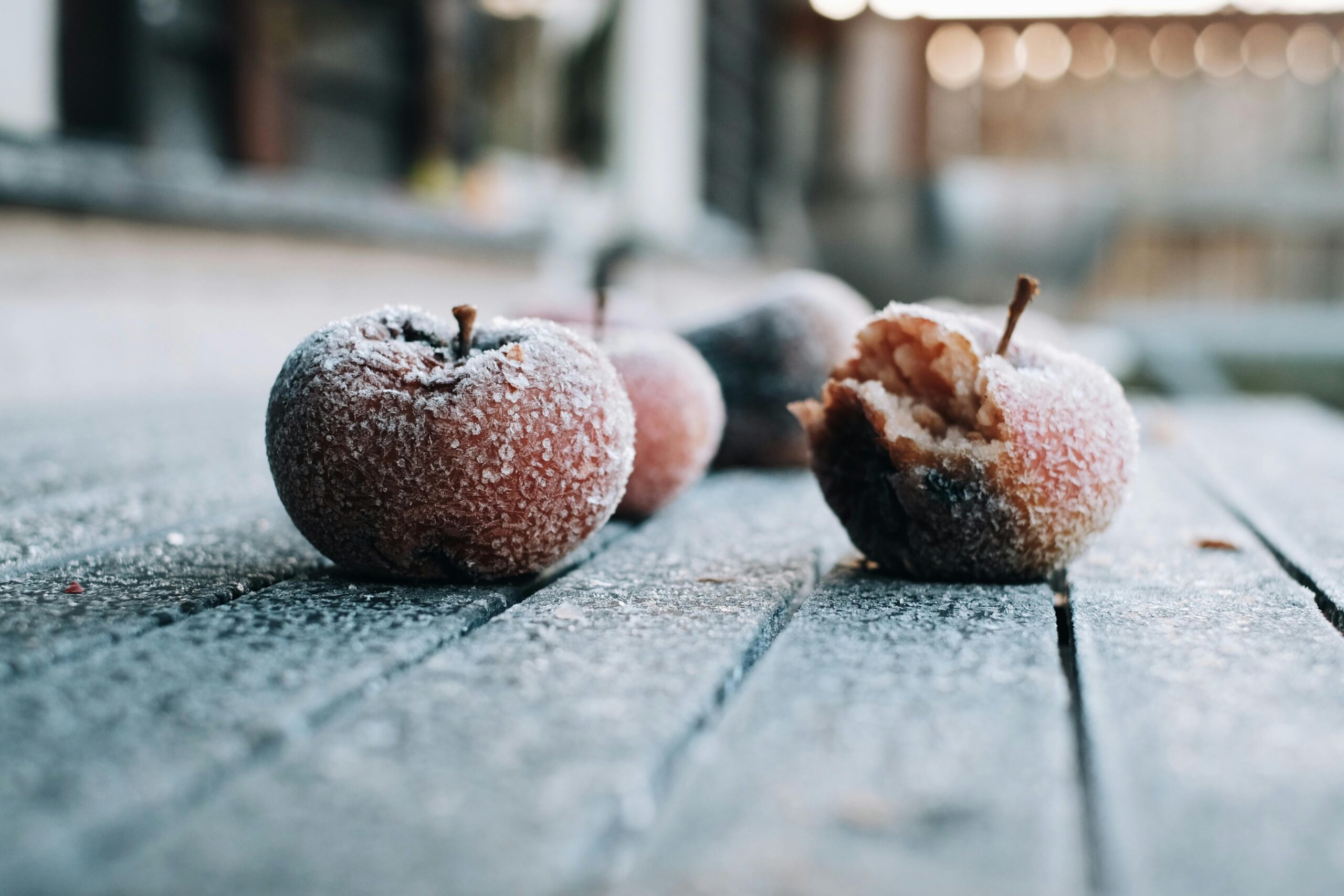
Freezing transforms the molecular structure of your favorite culinary creations, but understanding the science behind it unlocks consistently perfect results with gels, sauces, and emulsions.

🧊 Why Understanding Freezing Science Matters in Your Kitchen
Every home cook and professional chef has experienced the disappointment of a sauce that separates after thawing or a gel that loses its perfect texture. The freezer isn’t just a storage space—it’s a dynamic environment where water crystals form, fats solidify, and proteins reorganize themselves in ways that can either preserve or destroy your carefully crafted preparations.
The transformation that occurs during freezing happens at the molecular level. Water, which makes up a significant portion of most sauces, gels, and emulsions, expands by approximately 9% when it freezes. This expansion creates ice crystals that can puncture cell walls, disrupt emulsion bonds, and fundamentally alter texture. But here’s the exciting part: when you understand these mechanisms, you can work with them rather than against them.
The Molecular Dance: What Actually Happens When You Freeze
When you place a sauce or gel into the freezer, you’re not simply making it cold—you’re initiating a complex series of physical and chemical changes. Temperature reduction slows molecular movement, and at the freezing point, water molecules begin organizing themselves into crystalline structures. The speed at which this happens dramatically affects the final quality of your frozen product.
Fast freezing creates smaller ice crystals that cause less structural damage. Slow freezing allows larger crystals to form, which can rupture delicate structures and cause separation upon thawing. This is why commercial blast freezers, which can reach temperatures of -40°F (-40°C) almost instantaneously, produce superior results compared to standard home freezers.
The Critical Temperature Zones
Between 32°F (0°C) and 23°F (-5°C) lies what food scientists call the “zone of maximum ice crystal formation.” This temperature range is where water molecules have just enough energy to migrate and join existing ice crystals, making them grow larger. Minimizing the time your food spends in this zone is crucial for maintaining quality.
Mastering Gel Freezing: From Pectin to Gelatin
Gels represent one of the most challenging categories when it comes to freezing because their entire structure depends on a delicate network of molecules suspended in liquid. Different gelling agents respond differently to freeze-thaw cycles, and knowing these differences empowers you to make informed decisions.
Gelatin-Based Gels: Handle with Care
Gelatin gels are notoriously temperamental when frozen. The protein strands that give gelatin its characteristic wobble can become permanently disrupted during freezing, resulting in a weepy, separated mess upon thawing. However, you can improve freeze tolerance by increasing the gelatin concentration by approximately 25-30% or by adding stabilizers like maltodextrin or modified starches.
For best results with gelatin-based preparations, consider these adjustments before freezing:
- Increase sugar content, which acts as a cryoprotectant by binding water molecules
- Add a small amount of alcohol (1-2%), which lowers the freezing point and reduces ice crystal size
- Incorporate stabilizers like xanthan gum at 0.1-0.3% concentration
- Freeze in shallow containers to speed the freezing process
- Thaw slowly in the refrigerator rather than at room temperature
Pectin and Agar: The Freeze-Friendly Champions
Pectin-based gels, commonly found in jams and jellies, generally freeze quite well due to their robust molecular structure. The addition of sugar in most pectin gels also provides natural protection against ice crystal damage. Agar-agar, derived from seaweed, demonstrates even more impressive freeze-thaw stability, making it an excellent choice for preparations you plan to freeze.
Interestingly, agar gels can even improve in texture after freezing and thawing, as the process can create a more refined, smoother mouthfeel. This property makes agar an ideal choice for frozen desserts and preparations intended for long-term storage.
Sauce Success: Navigating the Freezing Challenge 🍝
Sauces present their own unique freezing considerations based on their composition. The ratio of water to fat, the presence of starches or proteins, and the emulsification state all influence how well a sauce withstands the freezing process.
Cream-Based and Dairy Sauces
Dairy sauces pose particular challenges because milk proteins and fats can separate dramatically when frozen. The fat globules in cream can destabilize, and proteins may aggregate, leading to grainy textures and broken sauces. However, strategic formulation adjustments can significantly improve results.
Heavy cream freezes better than light cream or milk due to its higher fat content, which provides some structural protection. Adding a small amount of cornstarch or flour as a stabilizer before freezing can help maintain emulsion integrity. Professional chefs often incorporate modified food starch specifically designed for freeze-thaw stability when preparing sauces intended for freezing.
Tomato-Based Sauces: The Easy Winners
Tomato sauces represent one of the most forgiving categories for freezing. Their relatively low fat content and high acidity create an environment that tolerates freezing well. The pectin naturally present in tomatoes also provides some structural support during the freeze-thaw cycle.
For optimal results, slightly undercook tomato-based sauces intended for freezing. The final cooking can happen after thawing, which helps restore the fresh-cooked flavor and compensates for any textural changes that occurred during storage.
Starch-Thickened Sauces: Choose Your Thickener Wisely
Traditional starches like cornstarch and flour can become grainy and separated after freezing because the starch granules undergo retrogradation—a process where starch molecules realign and expel water. Modified starches, waxy corn starch, or waxy rice starch resist this process much better and maintain their smooth texture through multiple freeze-thaw cycles.
| Thickening Agent | Freeze-Thaw Stability | Best Application |
|---|---|---|
| Regular Cornstarch | Poor | Fresh preparations only |
| Waxy Cornstarch | Excellent | Frozen sauces, gravies |
| All-Purpose Flour | Fair | Short-term freezing only |
| Modified Food Starch | Excellent | Commercial-quality frozen sauces |
| Xanthan Gum | Excellent | All frozen applications |
| Arrowroot | Poor | Fresh preparations only |
Emulsions: The Delicate Balance of Fat and Water 🥄
Emulsions represent perhaps the most complex challenge in freezing science. These preparations, where fat droplets are suspended in water (or vice versa), rely on emulsifiers to maintain stability. Freezing can disrupt this delicate balance, causing the dreaded separation that ruins mayonnaise, hollandaise, and vinaigrettes.
Understanding Emulsion Breakdown
When an emulsion freezes, ice crystals form in the aqueous phase, concentrating the remaining liquid and altering the salt and protein concentrations. This concentration change can denature proteins and disrupt the emulsifier’s ability to keep fat and water mixed. Additionally, fat can crystallize separately, making it difficult to re-emulsify upon thawing.
The key to freezing emulsions successfully lies in stabilization. Adding extra emulsifiers, incorporating stabilizing gums, or increasing the concentration of protective ingredients can make the difference between success and failure.
Mayonnaise and Similar Emulsions
Traditional mayonnaise doesn’t freeze well because the egg yolk proteins that stabilize the emulsion become damaged by ice crystal formation. However, commercial frozen preparations often succeed by using modified emulsifiers and stabilizers that resist freeze-thaw damage.
If you must freeze a mayonnaise-based sauce, consider these modifications: increase the egg yolk content by 25%, add a small amount of xanthan gum (0.2-0.3%), and ensure rapid freezing. Upon thawing, gentle whisking while still partially frozen can help re-establish the emulsion.
Vinaigrettes and Oil-Based Dressings
Vinaigrettes actually freeze surprisingly well if you understand their behavior. The water phase (vinegar) and oil phase will naturally separate during freezing since they have different freezing points. However, this separation is expected and easily corrected.
After thawing a frozen vinaigrette, simply shake or whisk vigorously to re-emulsify. The emulsifier molecules (from mustard, egg, or lecithin if added) remain functional and will readily reform the emulsion. Freezing vinaigrettes in smaller portions makes this re-emulsification process even more effective.
Pro Techniques for Freeze-Thaw Success ❄️
Professional food scientists and chefs employ several techniques to maximize the quality of frozen gels, sauces, and emulsions. These methods work by either controlling ice crystal formation, protecting molecular structures, or facilitating proper recovery after thawing.
The Power of Cryoprotectants
Cryoprotectants are substances that protect cellular and molecular structures during freezing. Sugar, salt, alcohol, glycerol, and certain proteins all function as cryoprotectants by binding water molecules and reducing ice crystal size.
Sugar works particularly well because it not only binds water but also lowers the freezing point, giving molecules more time to organize into smaller, less damaging crystals. This is why ice cream contains substantial amounts of sugar—not just for sweetness, but for texture protection.
Strategic Pre-Freezing Preparation
Preparing your gels, sauces, and emulsions correctly before freezing dramatically impacts results. Cool preparations rapidly before freezing to minimize time in the bacterial danger zone. Divide into smaller portions to accelerate freezing speed. Remove excess air from containers to prevent oxidation and freezer burn.
For sauces that tend to separate, slightly under-thickening them before freezing compensates for potential textural changes. You can always adjust consistency after thawing, but you cannot easily repair an over-thickened, grainy sauce.
The Art of Proper Thawing
Thawing method matters just as much as freezing technique. Slow, refrigerated thawing generally produces better results than rapid thawing because it allows molecular structures time to reorganize gradually. The exception is when you can reheat directly from frozen, which works well for many tomato-based and broth-based sauces.
Never refreeze thawed preparations without cooking them first. The initial freeze-thaw cycle already stressed the molecular structures, and a second cycle will likely push them beyond recovery.
Innovative Ingredients That Change the Freezing Game
Modern food science has developed several ingredients specifically designed to improve freeze-thaw stability. While some are primarily available to commercial operations, many are accessible to serious home cooks who want professional results.
Hydrocolloids: Your Freezing Secret Weapon
Hydrocolloids like xanthan gum, guar gum, carrageenan, and locust bean gum stabilize structures by binding water and creating protective networks. At concentrations as low as 0.1-0.5%, these ingredients can transform an unstable preparation into one that freezes beautifully.
Xanthan gum particularly excels in frozen applications because it remains stable across a wide temperature range and prevents ice crystal growth even during temperature fluctuations in the freezer. A tiny amount added to sauces, dressings, or gels can make the difference between success and failure.
Modified Starches for Professional Results
Modified starches specifically engineered for freeze-thaw stability represent a game-changing ingredient for serious cooks. Unlike regular cornstarch, which breaks down and weeps during thawing, modified starches maintain their thickening power and smooth texture through multiple freeze-thaw cycles.
These starches are increasingly available through specialty food suppliers and online retailers. Products labeled “freeze-thaw stable starch” or “cold-water soluble starch” typically indicate modified versions suitable for frozen applications.
Real-World Applications: Putting Science Into Practice 🎯
Understanding the science is valuable, but applying it to actual recipes and preparations is where the magic happens. Let’s explore how to adapt common preparations for successful freezing.
Batch Cooking Sauces for Future Success
When preparing large batches of sauce for freezing, reduce the initial liquid content by approximately 10-15%. This compensates for the water that will be released during thawing due to ice crystal damage. The slightly concentrated sauce will reach the perfect consistency after thawing and reheating.
For cream-based pasta sauces, replace some or all of the cream with cream cheese or mascarpone, which freezes more stably. The higher fat content and emulsifying salts in these products provide better structural protection during freezing.
Creating Freezer-Friendly Dessert Components
Pastry cream and other custard-based preparations can be adapted for freezing by incorporating modified starch instead of cornstarch and increasing the egg yolk content. Some chefs successfully freeze pastry cream by slightly under-cooking it initially, allowing the final cooking to occur after thawing.
Fruit gels and glazes intended for freezing benefit from using pectin or agar instead of gelatin, and incorporating glucose syrup or corn syrup alongside regular sugar to prevent crystallization and improve texture.
Troubleshooting Common Freezing Failures
Even with proper technique, problems occasionally arise. Recognizing these issues and understanding their causes helps you adjust your approach for better results.
Grainy, Separated Textures
This common problem indicates ice crystal damage or emulsion failure. Solutions include faster freezing, adding stabilizers before the next batch, increasing fat content, or switching to freeze-stable thickeners. Sometimes, aggressive blending or processing after thawing can reincorporate separated components.
Watery, Weeping Preparations
Excessive liquid release during thawing suggests that ice crystals ruptured too many structural elements. Prevent this by accelerating freezing speed, adding cryoprotectants like sugar or salt, or incorporating hydrocolloids that bind released water.
Loss of Flavor Intensity
Freezing can dull flavors due to the binding of aromatic compounds with water molecules. Compensate by slightly over-seasoning preparations intended for freezing, or refresh flavors after thawing with fresh herbs, citrus zest, or a splash of vinegar.
Your Freezer as a Culinary Tool, Not Just Storage
Mastering the science of freezing effects transforms your freezer from a simple storage appliance into a powerful culinary tool. With this knowledge, you can confidently batch-cook sauces, prepare gel-based dessert components in advance, and create emulsified dressings that maintain their quality through months of frozen storage.
The key principles remain consistent across all applications: control ice crystal size through rapid freezing, protect molecular structures with appropriate ingredients, and employ proper thawing techniques that allow gradual reorganization. When you understand why certain preparations fail while others succeed, you gain the power to modify recipes and techniques for consistently perfect results.
Whether you’re a home cook preparing meals in advance or a culinary professional developing products for extended storage, the science of freezing gels, sauces, and emulsions provides the foundation for success. Start experimenting with these principles, keep notes on what works best for your specific preparations, and watch as your freezing failures transform into reliable, high-quality results every single time.