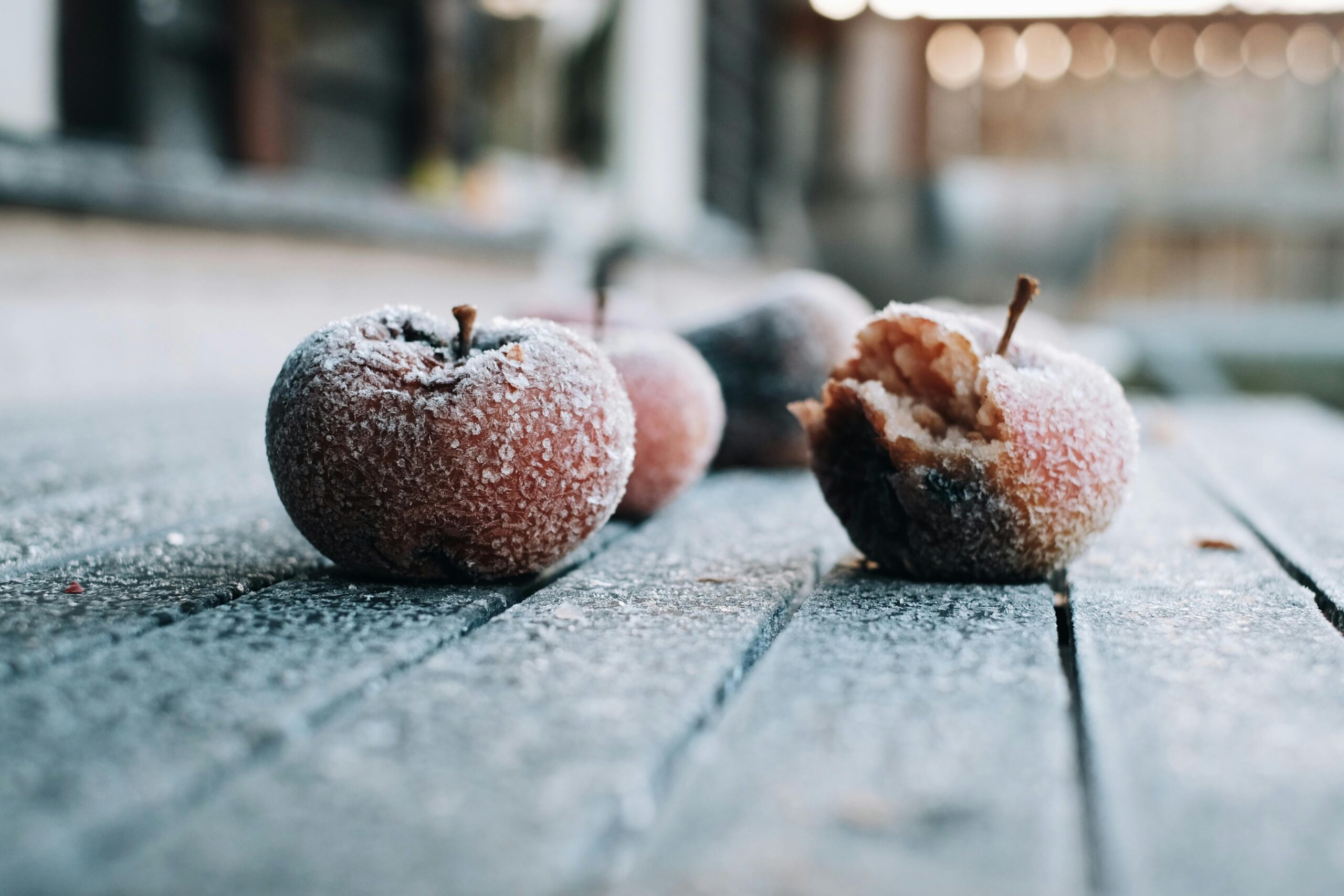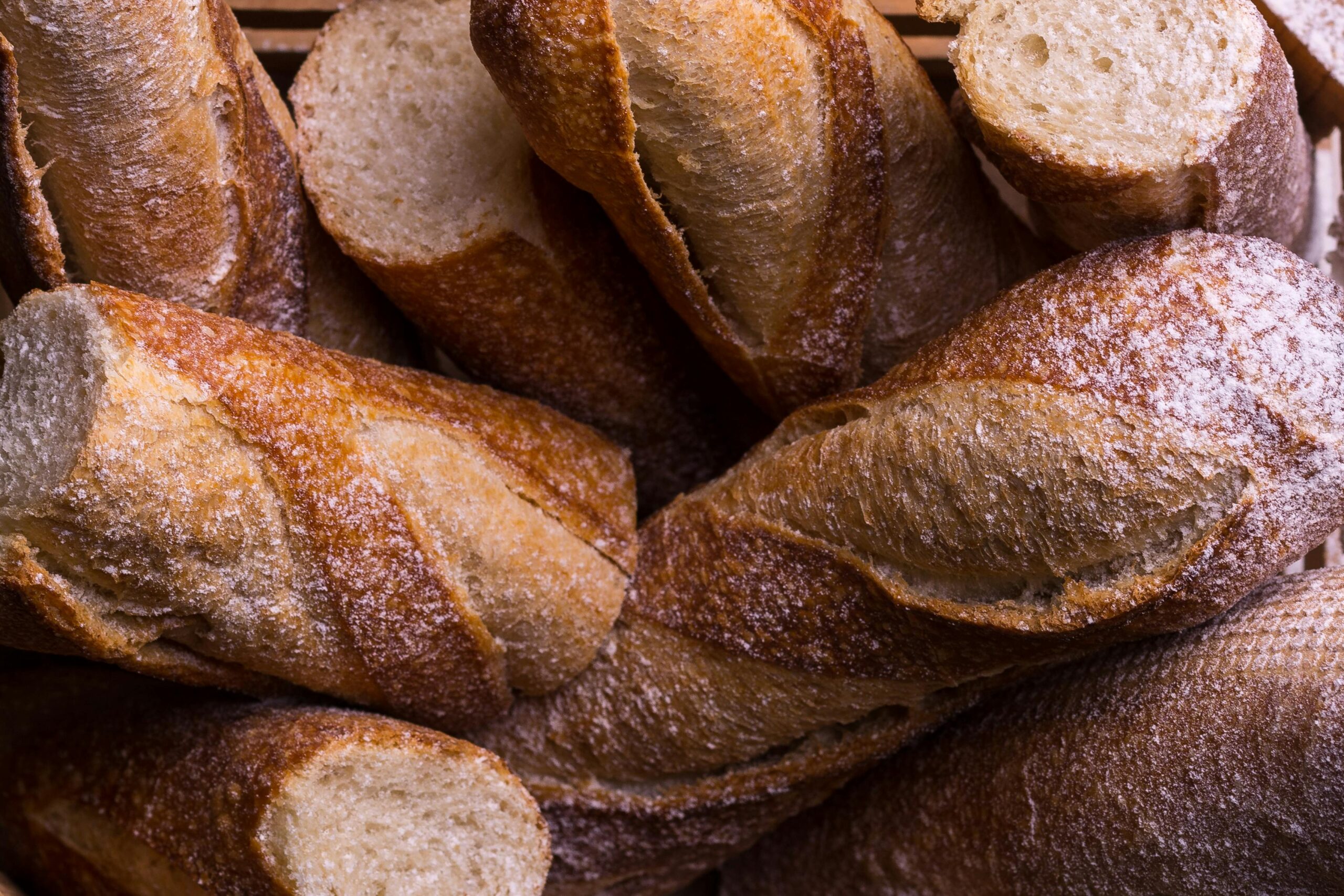
The culinary world continually seeks innovative methods to preserve food quality while maintaining exceptional taste and texture that delights every palate.

🧊 Understanding the Science Behind Food Texture Preservation
Food texture represents one of the most critical sensory attributes that determines consumer satisfaction and product quality. When we bite into our favorite frozen dessert or enjoy a perfectly preserved piece of seafood, we rarely consider the complex science working behind the scenes to maintain that delightful mouthfeel. Cryoprotectants have emerged as essential tools in modern food technology, serving as molecular guardians that protect food structures during freezing and storage processes.
The freezing process, while effective for preservation, can wreak havoc on food matrices. Ice crystal formation damages cellular structures, disrupts protein networks, and compromises the delicate balance of moisture and solid components that create appealing textures. These destructive forces lead to undesirable outcomes like freezer burn, moisture loss, protein denaturation, and textural degradation that transforms once-appetizing foods into disappointing, rubbery, or mushy products.
Cryoprotectants intervene at the molecular level, modifying the freezing process to minimize damage. These specialized compounds work through various mechanisms: lowering the freezing point of water, controlling ice crystal size and distribution, stabilizing protein structures, and maintaining cellular integrity throughout temperature fluctuations. Understanding how these protective agents function opens new possibilities for creating frozen and preserved foods that maintain their original sensory qualities.
The Molecular Magic: How Cryoprotectants Work Their Wonder
At their core, cryoprotectants function as molecular bodyguards, shielding food components from freeze-induced damage through multiple protective mechanisms. Their effectiveness stems from their ability to interact with water molecules and food structures in ways that fundamentally alter the freezing landscape.
When temperatures drop below freezing, water molecules naturally organize into crystalline structures. Without intervention, these ice crystals grow large and sharp, puncturing cell membranes and disrupting the delicate architecture that gives food its characteristic texture. Cryoprotectants interrupt this destructive process by interfering with ice crystal formation, promoting the development of smaller, more numerous crystals that cause significantly less structural damage.
Colligative Properties and Glass Transitions
Many cryoprotectants work through colligative properties, meaning their protective effects depend on the concentration of molecules rather than their specific chemical identity. By increasing the number of dissolved particles in the aqueous phase of foods, these compounds lower the freezing point and reduce the amount of ice formed at any given sub-zero temperature. This creates a partially vitrified state where portions of the water exist in a highly viscous, glass-like form rather than as damaging ice crystals.
The glass transition temperature becomes a critical parameter in this context. Cryoprotectants help establish and maintain food systems in this glassy state, where molecular mobility is severely restricted. In this preserved condition, chemical reactions slow dramatically, microbial growth halts, and structural changes occur at glacial speeds, effectively suspending deterioration while maintaining textural integrity.
🍦 Natural vs. Synthetic: Choosing the Right Cryoprotective Strategy
The selection of appropriate cryoprotectants involves balancing effectiveness, cost, regulatory compliance, and consumer preferences. Modern food scientists have access to both naturally-derived and synthetically produced options, each offering distinct advantages for specific applications.
Natural Cryoprotectants: Nature’s Protective Arsenal
Sugars represent the most widely used natural cryoprotectants in food applications. Sucrose, glucose, and fructose not only provide sweetness but also significant freezing protection. These simple carbohydrates lower water activity, inhibit ice crystal growth, and interact with proteins to prevent cold-induced denaturation. Their GRAS (Generally Recognized As Safe) status and clean-label appeal make them particularly attractive for consumer-facing products.
Polyols like sorbitol, glycerol, and erythritol offer excellent cryoprotective properties with reduced sweetness compared to traditional sugars. These sugar alcohols bind water effectively, depress freezing points substantially, and create smooth, creamy textures in frozen applications. Their lower caloric content compared to sugars adds nutritional benefits that resonate with health-conscious consumers.
Proteins and protein hydrolysates serve dual functions as cryoprotectants and structural components. Gelatin, whey proteins, soy proteins, and fish proteins stabilize emulsions, bind water, and protect against freeze-thaw damage while contributing to overall texture and mouthfeel. Enzymatically hydrolyzed proteins offer enhanced functionality due to their smaller molecular size and increased solubility.
Polysaccharides including starches, modified starches, cellulose derivatives, and hydrocolloids like carrageenan, guar gum, and xanthan gum provide viscosity modification and structural support during freezing. These complex carbohydrates create networks that physically restrict ice crystal growth while maintaining moisture distribution throughout the food matrix.
Synthetic Cryoprotectants: Engineered Protection
While natural options dominate food applications, synthetic cryoprotectants like dimethyl sulfoxide (DMSO) and propylene glycol find limited use in specific circumstances. These compounds offer powerful protective properties but face regulatory restrictions and consumer acceptance challenges in many food contexts. Their primary applications remain in pharmaceutical and biomedical fields, though research continues into food-grade synthetic alternatives.
Application Artistry: Tailoring Protection to Product Categories
Different food categories present unique challenges that require customized cryoprotective strategies. Understanding these specific needs enables food technologists to formulate optimal protection systems for each application.
🍨 Frozen Desserts: Crafting Creamy Indulgence
Ice cream, gelato, sorbet, and frozen yogurt rely heavily on carefully balanced cryoprotectant systems to achieve their signature smooth, creamy textures. The challenge lies in managing ice crystal size throughout the product’s shelf life, as temperature fluctuations during storage and distribution can promote crystal growth and textural coarsening.
Successful frozen dessert formulations typically combine multiple cryoprotectants: sucrose for sweetness and basic protection, corn syrup solids or glucose for enhanced ice crystal control, stabilizers like guar gum or carrageenan for viscosity and structure, and emulsifiers to promote fat distribution and air incorporation. This multi-component approach creates synergistic protection superior to any single ingredient.
The overrun (air incorporation) percentage interacts critically with cryoprotectant function. Higher overrun products require more aggressive stabilization to maintain both air cell structure and ice crystal control. Premium products with lower overrun and higher fat content may need adjusted cryoprotectant levels to compensate for the different freezing dynamics.
Seafood and Meat Products: Preserving Protein Integrity
Protein-based foods face particular vulnerability during freezing as ice crystals damage muscle fibers, causing moisture loss, textural toughening, and the development of unpleasant spongy or mushy textures upon thawing. Effective cryoprotection in these applications focuses on maintaining protein structure and water-holding capacity.
Commercial seafood processors often apply cryoprotectant glazes containing sorbitol, polyphosphates, and hydrocolloids before freezing. These protective coatings serve multiple functions: preventing surface dehydration (freezer burn), controlling ice crystal formation within the tissue, and maintaining the natural moisture balance that contributes to succulence and tender texture.
Surimi, the processed fish protein used in imitation crab and similar products, represents a special case where cryoprotectants become essential ingredients rather than optional enhancements. Traditional Japanese formulations use a combination of sucrose and sorbitol at 4-8% levels to protect the delicate protein gel structure during frozen storage, preventing the loss of elasticity and water-binding capacity that would otherwise occur.
Bakery Products: Maintaining Fresh-Baked Quality
Frozen doughs, par-baked goods, and fully-baked frozen products each require specific cryoprotective approaches. The primary concerns include yeast viability in dough systems, moisture migration leading to sogginess or dryness, starch retrogradation causing firmness, and structural collapse during thawing or reheating.
Enriched doughs containing higher levels of sugar and fat possess inherent cryoprotection, explaining why sweet breads and pastries generally freeze more successfully than lean bread formulations. For products requiring additional protection, food technologists incorporate ingredients like trehalose (a disaccharide with exceptional stabilizing properties), dough conditioners containing enzymes and emulsifiers, hydrocolloids for moisture management, and modified starches resistant to retrogradation.
⚗️ The Formulator’s Toolkit: Optimizing Cryoprotectant Systems
Creating effective cryoprotectant systems requires more than simply adding protective ingredients. The formulation process involves careful consideration of multiple factors that interact in complex ways.
Concentration and Combination Effects
The amount of cryoprotectant significantly impacts both protective efficacy and product characteristics. Insufficient levels fail to provide adequate protection, while excessive amounts can create overly sweet products, unusual textures, or off-flavors. Most applications require total cryoprotectant levels between 15-35% of the aqueous phase, though specific products may fall outside this range.
Combining multiple cryoprotectants often produces superior results compared to single-ingredient approaches. This synergy occurs because different compounds protect through complementary mechanisms. A typical strategy might pair sugars for freezing point depression with proteins for structural support and polysaccharides for viscosity control, creating comprehensive protection across multiple vulnerability points.
Processing Parameter Integration
Cryoprotectants work most effectively when integrated with appropriate processing conditions. Rapid freezing rates using blast freezers, cryogenic systems, or ultra-low temperature equipment promote small ice crystal formation that cryoprotectants can then stabilize. Slow freezing allows large crystal development that overwhelms protective systems regardless of formulation quality.
The temperature maintenance during storage proves equally critical. Products subjected to temperature fluctuations experience repeated partial thawing and refreezing cycles that promote ice crystal growth through a phenomenon called recrystallization. Even the most sophisticated cryoprotectant systems struggle to prevent textural degradation under such abusive conditions.
Beyond Texture: Additional Benefits of Cryoprotective Compounds
While texture preservation represents the primary driver for cryoprotectant use, these versatile ingredients provide numerous secondary benefits that enhance overall product quality and consumer appeal.
Flavor Protection and Enhancement
Many volatile flavor compounds face degradation or loss during freezing and frozen storage. Cryoprotectants help retain these delicate aromatic components through multiple mechanisms: physical encapsulation within the food matrix, chemical stabilization of unstable flavor molecules, and reduction of oxidative reactions that generate off-flavors. Some cryoprotectants like certain sugars and polyols also contribute pleasant flavors in their own right.
Nutritional Preservation
Vitamins, especially water-soluble B vitamins and vitamin C, suffer degradation during frozen storage. The protective mechanisms that stabilize physical structures also slow chemical reactions that destroy these sensitive nutrients. Products formulated with effective cryoprotectant systems retain higher percentages of their original nutritional value throughout shelf life.
Microbial Stability Enhancement
By reducing water activity and creating a more hostile environment for microbial survival, cryoprotectants contribute to food safety and extended shelf life. While freezing itself provides significant microbial control, the additional protective factors from cryoprotectants offer defense against the small populations of psychrotrophic organisms that might otherwise proliferate during temperature abuse events.
🔬 Emerging Technologies and Future Directions
The field of cryoprotection continues evolving as researchers discover novel compounds and approaches that push the boundaries of what’s possible in texture preservation.
Antifreeze Proteins and Peptides
Ice-binding proteins, originally discovered in Arctic fish and insects, represent a fascinating frontier in cryoprotection technology. These specialized proteins bind directly to ice crystal surfaces, inhibiting their growth through a mechanism entirely different from traditional cryoprotectants. While currently expensive to produce, advances in fermentation technology and protein engineering may eventually make these powerful protective agents commercially viable for food applications.
Nano-Encapsulation Strategies
Emerging encapsulation technologies using nano-scale delivery systems offer unprecedented control over cryoprotectant distribution and release. By packaging protective compounds within lipid nanoparticles, protein complexes, or polysaccharide matrices, formulators can target protection to specific locations within foods and control timing of cryoprotectant action.
Plant-Based and Functional Ingredient Synergies
The growing demand for plant-based alternatives has spurred research into cryoprotectant systems optimized for plant protein matrices. These formulations must address unique challenges like different protein structures, varying water-binding capacities, and altered fat distributions compared to traditional animal-based products. Success in this arena will unlock new possibilities for frozen plant-based meats, seafood alternatives, and dairy substitutes with textures rivaling their conventional counterparts.
💡 Practical Implementation: From Lab to Production Scale
Translating cryoprotectant research into commercial success requires attention to practical manufacturing considerations that can make or break product viability.
Cost-Performance Balance
Premium cryoprotectants like trehalose or specialized protein hydrolysates offer superior performance but carry price tags that may prove prohibitive for value-oriented products. Successful formulation strategies identify the minimum effective protection levels and utilize cost-effective ingredients wherever performance requirements allow, reserving expensive options for applications where they provide irreplaceable benefits.
Regulatory Compliance and Clean Label Trends
Consumer preference increasingly favors products with recognizable, simple ingredient lists. This “clean label” trend challenges formulators to achieve necessary protection using ingredients perceived as natural and wholesome. Strategies include replacing modified starches with native starches, using fruit-derived sweeteners instead of corn syrup, and selecting hydrocolloids with familiar names like guar gum over technical-sounding alternatives.
Quality Control and Consistency
Implementing cryoprotectant systems at production scale demands robust quality control protocols. Analytical methods for monitoring ice crystal size distribution, texture profile analysis for quantifying mouthfeel attributes, and sensory evaluation programs for validating consumer perception all play crucial roles in maintaining consistent product quality batch after batch.
The Sensory Symphony: Orchestrating Perfect Mouthfeel
Ultimately, all the science, technology, and careful formulation serve one purpose: creating products that deliver exceptional sensory experiences. The mouthfeel dimension encompasses multiple sensations that consumers perceive as a unified whole—smoothness, creaminess, juiciness, tenderness, or whatever texture attributes define excellence for that particular food.
Cryoprotectants contribute to this sensory symphony by preserving the delicate balance of components that create appealing textures. They prevent the formation of gritty ice crystals that would disrupt smoothness, maintain moisture levels that create juiciness, preserve protein structures that provide tenderness, and stabilize air cells that generate lightness. Each protective mechanism plays its part in the orchestrated experience consumers enjoy with every bite.
The most successful products achieve a texture profile that matches or exceeds consumer expectations for that food category. Premium ice cream should deliver dense, creamy smoothness. Frozen fish should taste fresh-caught and tender. Frozen pizza crust should bake to crispy perfection. Achieving these category-appropriate textures requires cryoprotectant systems precisely tailored to each application’s unique requirements.
Transforming Food Preservation for Tomorrow’s Consumers
As global food systems face mounting pressures from population growth, climate change, and resource constraints, technologies that extend shelf life while maintaining quality become increasingly vital. Cryoprotectants represent a crucial tool in this effort, enabling efficient frozen distribution systems that reduce waste, expand consumer access to diverse foods, and support sustainable food supply chains.
The future of cryoprotection lies in continued innovation that balances multiple objectives: superior texture preservation, clean label formulations, cost effectiveness, nutritional enhancement, and environmental sustainability. Researchers are exploring novel cryoprotectants derived from underutilized plant sources, investigating processing technologies that reduce the need for protective additives, and developing smart packaging systems that maintain optimal storage conditions throughout distribution.
For food manufacturers, staying current with cryoprotectant technology offers competitive advantages through products that stand out in crowded markets. Consumers increasingly make purchasing decisions based on texture quality, and brands that consistently deliver exceptional mouthfeel build loyalty and command premium positions. The investment in sophisticated cryoprotectant systems pays dividends through reduced customer complaints, lower return rates, and positive word-of-mouth that drives repeat purchases.
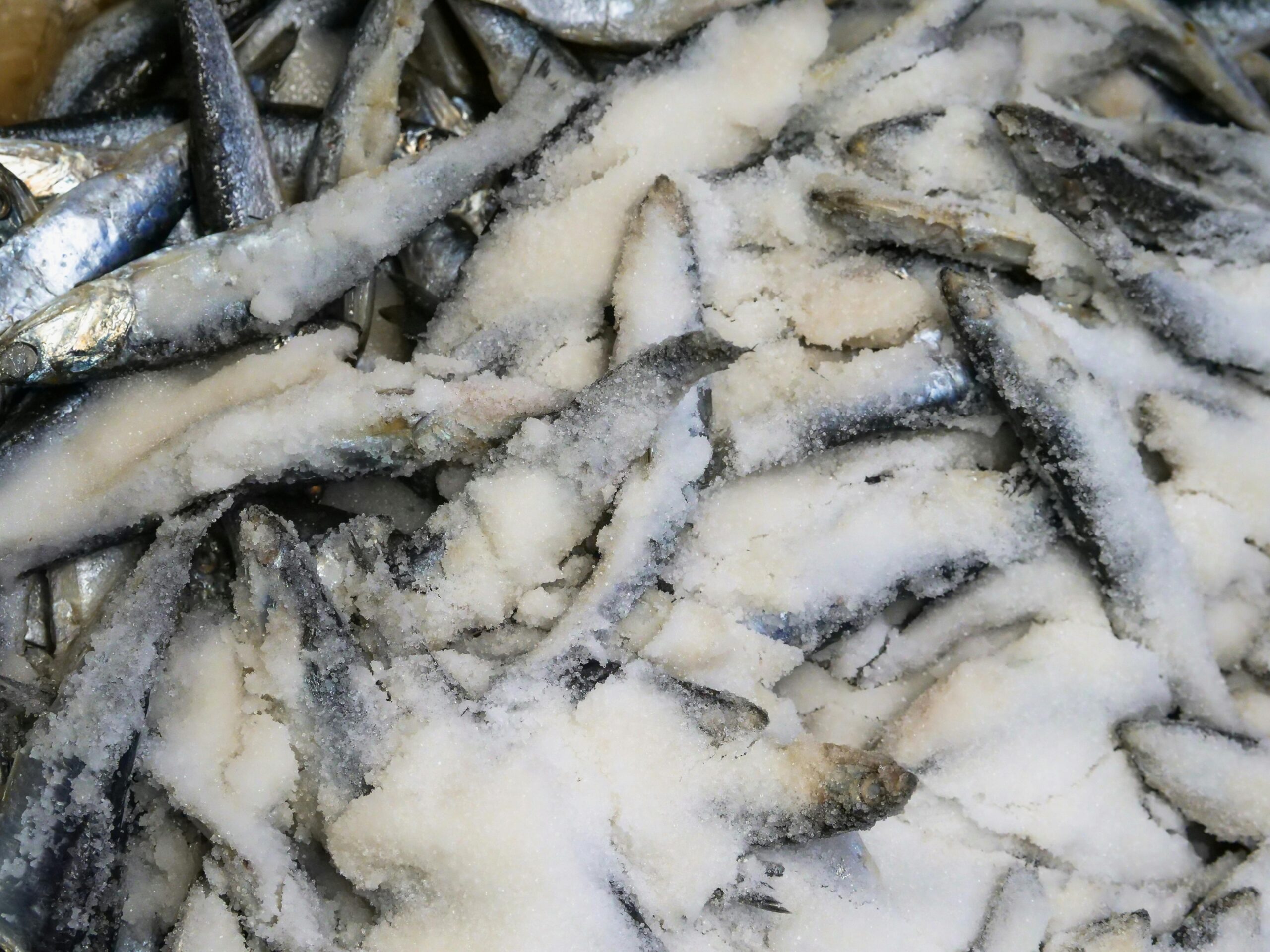
The intersection of culinary tradition and modern food science creates exciting possibilities. Traditional preservation methods that our ancestors developed through generations of trial and error find validation and enhancement through understanding of cryoprotection mechanisms. Time-honored ingredients like honey, salt, and vinegar reveal their protective properties under scientific scrutiny, while entirely new compounds expand the palette of tools available to food creators.
Whether you’re a food scientist formulating the next breakthrough frozen product, a chef seeking to preserve seasonal ingredients at peak quality, or a food entrepreneur launching an innovative brand, understanding cryoprotectants empowers you to create products that preserve not just food, but the pleasure and satisfaction that exceptional texture brings to every eating experience. The perfect bite isn’t an accident—it’s the result of molecular protection carefully orchestrated to delight the senses and deliver irresistible flavors and textures that keep consumers coming back for more.