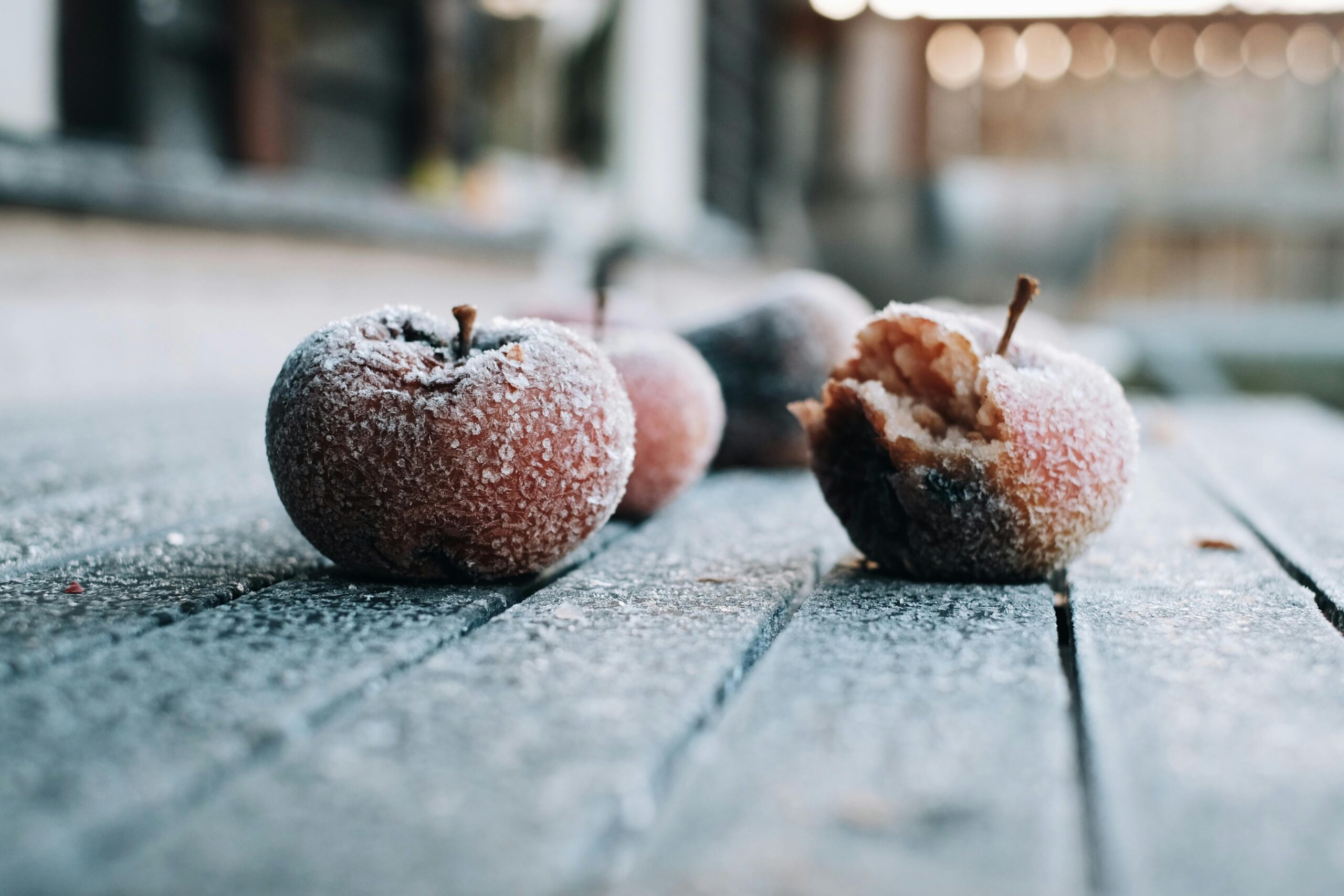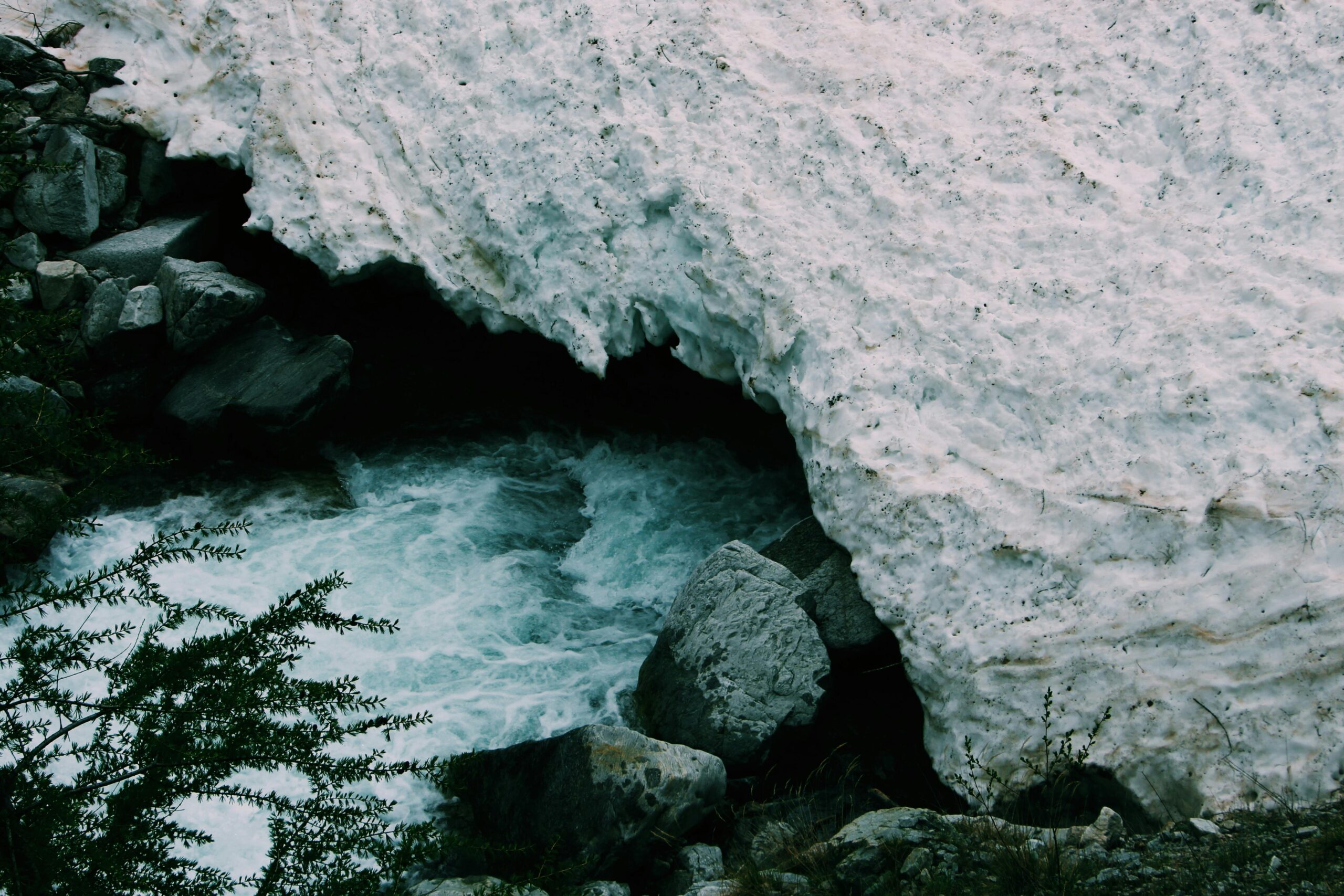
The freeze-thaw phenomenon creates remarkable transformations in texture across countless materials, shaping landscapes, foods, and construction elements in ways that continue to fascinate scientists worldwide.

🌡️ The Fundamental Physics Behind Freeze-Thaw Dynamics
Understanding the unstoppable texture evolution triggered by freeze-thaw cycles requires exploring the unique behavior of water molecules. When water transitions from liquid to solid state, it undergoes a volumetric expansion of approximately 9%, creating internal pressures that can reach up to 200 megapascals. This extraordinary force fundamentally alters the structural integrity of materials containing moisture, from porous rocks to delicate biological tissues.
The crystallization process doesn’t occur uniformly. Ice crystals form preferentially along existing weaknesses, cracks, and porous channels within materials. As these crystals grow, they act like microscopic wedges, prying apart molecular bonds and creating new pathways for subsequent freeze-thaw events. This cyclical deterioration accelerates exponentially with each temperature fluctuation, making it one of nature’s most powerful weathering mechanisms.
Temperature gradient variations within materials create differential expansion rates. Surface layers may freeze while interior sections remain liquid, generating shear stresses that compound structural damage. This phenomenon explains why northern hemisphere roadways develop potholes during spring months when diurnal temperature swings cross the freezing threshold repeatedly.
Geological Transformations Through Millennia
Mountain landscapes showcase the most dramatic evidence of freeze-thaw texture evolution. Alpine environments experience hundreds of freeze-thaw cycles annually, progressively fracturing solid bedrock into talus slopes and scree fields. The iconic jagged peaks of the Himalayas, Andes, and Alps owe their distinctive profiles to millions of years of freeze-thaw weathering.
Sedimentary rocks prove particularly susceptible to this process. Sandstone, limestone, and shale contain interconnected pore spaces that readily absorb moisture. When saturated and subjected to freezing temperatures, these rocks experience internal pressures exceeding their tensile strength. The result is progressive spalling, where surface layers detach in thin sheets, gradually reducing massive formations to rubble.
Granite and other crystalline rocks, despite their apparent hardness, aren’t immune. Water infiltrates microscopic fissures along grain boundaries. Repeated freeze-thaw cycles slowly separate individual mineral crystals, a process called granular disintegration. Over geological timescales, this transforms towering granite monoliths into the sandy beaches and desert landscapes we recognize today.
🍓 Culinary Applications and Food Science Innovations
The food industry has harnessed freeze-thaw texture evolution for both preservation and quality enhancement. Flash freezing techniques minimize ice crystal size, preserving cellular structures in fruits, vegetables, and proteins. However, slow freezing or repeated thawing creates large ice crystals that rupture cell walls, dramatically altering texture, moisture retention, and nutritional content.
Strawberries demonstrate this principle vividly. Fresh strawberries possess firm, crisp textures due to intact cellular membranes maintaining turgor pressure. After freezing and thawing, those same berries become soft and mushy. Ice crystals puncture cell walls, releasing internal fluids and collapsing the structural matrix. While flavor compounds remain largely intact, the textural transformation renders them unsuitable for fresh consumption but ideal for smoothies and preserves.
Meat texture undergoes equally significant changes. Muscle fibers contain approximately 75% water, organized within myofibrils and extracellular spaces. Freezing converts this water into ice crystals that disrupt protein structures. Rapid freezing at ultra-low temperatures creates numerous small crystals causing minimal damage. Conversely, residential freezer temperatures produce larger crystals that severely compromise texture, resulting in moisture loss during cooking and tougher final products.
Strategic Freezing Techniques for Optimal Results
Professional chefs and food scientists employ specific protocols to manage freeze-thaw texture evolution:
- Blast freezing at -40°C minimizes ice crystal formation time and size
- Cryogenic freezing using liquid nitrogen achieves instantaneous solidification
- Controlled thawing in refrigerated environments reduces moisture loss
- Vacuum sealing prevents oxidation and freezer burn during storage
- Single freeze-thaw cycles preserve quality better than multiple cycles
Infrastructure Challenges and Engineering Solutions 🏗️
Civil engineers confront freeze-thaw texture evolution as one of their most persistent adversaries. Concrete, the world’s most utilized construction material, contains capillary pores that absorb moisture. In temperate and cold climates, seasonal freeze-thaw cycles progressively degrade concrete structures, leading to scaling, spalling, and catastrophic failure if left unaddressed.
The mechanism begins when concrete absorbs water through its porous structure. As temperatures drop below freezing, ice forms within these pores, creating hydraulic pressure. Simultaneously, osmotic pressure develops as ice draws additional water toward freezing sites. This dual pressure system generates stresses exceeding concrete’s tensile capacity, creating microcracks that propagate through repeated cycles.
Air entrainment technology provides the primary defense against freeze-thaw damage in concrete. By incorporating microscopic air bubbles throughout the mixture, engineers create pressure relief chambers. When water freezes and expands, these air voids accommodate the volumetric increase, preventing destructive pressure buildup. Properly air-entrained concrete can withstand hundreds of freeze-thaw cycles without significant deterioration.
Asphalt Pavement Degradation Patterns
Roadway surfaces experience accelerated freeze-thaw texture evolution due to constant traffic loading and water infiltration. Small cracks allow moisture penetration into underlying base materials. Freezing temperatures transform this moisture into ice lenses that heave pavement surfaces upward. Subsequent thawing leaves voids beneath the pavement, creating weak spots that collapse under traffic, forming potholes.
Transportation departments invest billions annually repairing freeze-thaw damage. Preventive maintenance including crack sealing, surface treatments, and proper drainage systems significantly extends pavement lifespan. Advanced polymer-modified asphalts demonstrate improved resistance to temperature cycling, though at substantially higher initial costs.
Biological Adaptations to Extreme Temperature Cycling
Organisms inhabiting polar and alpine environments have evolved remarkable strategies to survive freeze-thaw texture evolution that would destroy most living tissues. These adaptations offer insights applicable to cryopreservation, organ transplantation, and space exploration.
The wood frog (Rana sylvatica) survives complete freezing of up to 70% of its body water. As temperatures drop, the frog concentrates glucose and urea in its cells, acting as cryoprotectants that prevent lethal ice crystal formation within cellular structures. Ice forms only in extracellular spaces, where it causes minimal damage. Upon thawing, the frog’s heart spontaneously resumes beating, and normal physiological functions return within hours.
Arctic plants employ different strategies. Cellular membranes in freeze-tolerant species contain specialized proteins and lipids that maintain flexibility at subzero temperatures. Some species actively nucleate ice formation in extracellular spaces, preventing supercooling that would cause rapid, destructive crystallization. Others dehydrate cells during autumn, removing water that could freeze and cause damage.
Implications for Medical Science
Understanding natural freeze-tolerance mechanisms drives innovations in organ preservation and cryomedicine. Current organ transplantation windows remain severely limited because cooling causes ice damage. Researchers are developing synthetic cryoprotectants mimicking biological antifreeze proteins, potentially extending viable storage times from hours to weeks.
Cancer treatment protocols increasingly utilize controlled freeze-thaw cycles. Cryoablation therapy freezes tumors, causing ice crystal formation that ruptures malignant cells while sparing surrounding healthy tissue. Multiple freeze-thaw cycles ensure complete cell destruction, offering minimally invasive alternatives to surgical resection for certain cancers.
🎨 Artistic and Archaeological Perspectives
Freeze-thaw texture evolution significantly impacts cultural heritage preservation. Ancient monuments in temperate climates deteriorate progressively as moisture infiltrates porous stone surfaces. The Acropolis in Athens, Stonehenge in England, and Mayan temples in Central America all exhibit freeze-thaw weathering damage accumulated over centuries.
Stone conservation specialists employ various techniques to mitigate ongoing deterioration. Consolidants penetrate porous surfaces, binding weakened material and reducing water absorption. Hydrophobic treatments create water-repellent surfaces without sealing pores, allowing monuments to breathe while preventing moisture ingress. However, inappropriate treatments can accelerate damage, making understanding freeze-thaw mechanisms essential for preservation decisions.
Contemporary sculptors and installation artists deliberately harness freeze-thaw processes for creative expression. Ice sculptures naturally evolve through freeze-thaw cycles, creating ephemeral artworks that change continuously with environmental conditions. Some artists cast ice forms repeatedly, documenting textural transformations as artistic commentary on climate change and environmental degradation.
Climate Change and Accelerating Freeze-Thaw Cycles 🌍
Global temperature increases paradoxically intensify freeze-thaw activity in many regions. Rather than reducing freezing events, warming trends increase the frequency of temperature fluctuations across the freezing threshold. Alpine and arctic environments traditionally experienced stable frozen conditions throughout winter months, with limited freeze-thaw cycling. Contemporary climate patterns produce more frequent temperature swings, accelerating weathering processes.
Permafrost regions face particularly dramatic consequences. Ground that remained continuously frozen for millennia now experiences seasonal thaw cycles. This transformation destabilizes infrastructure, releases greenhouse gases, and fundamentally alters ecosystem structures. Buildings, pipelines, and transportation networks constructed on permafrost foundations encounter unprecedented maintenance challenges as supporting soils lose bearing capacity.
Mountain environments show increased rockfall and landslide frequency as permafrost holding fractured rock faces together disappears. Alpine climbing routes considered stable for generations have become objectively more dangerous as freeze-thaw weathering accelerates. Entire tourism economies dependent on mountain environments must adapt to these rapidly changing conditions.
Innovative Materials Resisting Freeze-Thaw Degradation
Materials scientists continue developing novel substances with enhanced freeze-thaw resistance. Biomimetic approaches draw inspiration from freeze-tolerant organisms, incorporating antifreeze proteins and flexible polymer structures that accommodate ice formation without damage. These innovations find applications across construction, aerospace, and consumer products.
Self-healing concrete represents a breakthrough technology addressing freeze-thaw damage. These materials contain bacterial spores and calcium-based nutrients encapsulated within the concrete matrix. When cracks form and water enters, the bacteria activate, consuming the nutrients and producing limestone that fills cracks autonomously. This biological healing process repairs freeze-thaw damage before it propagates, potentially extending infrastructure lifespan dramatically.
Polymer-based construction materials offer inherent freeze-thaw resistance due to their flexibility and low water absorption. Fiber-reinforced plastics, advanced composites, and engineered polymers maintain structural integrity through temperature cycling that would destroy traditional materials. While currently more expensive than conventional options, declining production costs may shift construction paradigms toward these resilient alternatives.
🔬 Research Frontiers and Future Directions
Advanced imaging technologies reveal freeze-thaw texture evolution at unprecedented resolution. Micro-computed tomography captures three-dimensional ice crystal growth in real-time, showing exactly how crystals navigate pore structures and generate damaging pressures. These insights enable predictive modeling that forecasts material lifespan under specific environmental conditions.
Nanotechnology applications promise materials with programmable responses to temperature cycling. Nanoparticle additives can modify ice crystal morphology, nucleation patterns, and growth rates. Smart materials might actively respond to freezing conditions, adjusting properties to minimize damage or even harnessing freeze-thaw energy for useful purposes.
Space exploration demands understanding freeze-thaw processes in extraterrestrial environments. Mars experiences dramatic diurnal temperature swings crossing water’s freezing point. Subsurface ice deposits undergo seasonal sublimation and refreezing cycles that shape Martian geology. Future human settlements on Mars must contend with freeze-thaw challenges in alien conditions with limited resources for repairs and maintenance.
Practical Management Strategies for Everyday Applications
Homeowners and property managers can minimize freeze-thaw damage through informed maintenance practices. Ensuring proper drainage prevents water accumulation near foundations and structures. Sealing cracks in concrete surfaces before winter prevents moisture infiltration. Insulating exposed pipes protects plumbing systems from freeze damage.
Garden enthusiasts recognize freeze-thaw cycles as both ally and adversary. Repeated freezing and thawing naturally breaks apart compacted clay soils, improving structure and drainage without mechanical intervention. However, the same process can heave shallow-rooted plants from the ground, requiring mulch protection to moderate soil temperature fluctuations.
Food storage optimization requires understanding freeze-thaw principles. Organizing freezers to minimize door opening frequency maintains stable temperatures. Portioning foods into single-use quantities prevents repeated thawing and refreezing. Labeling frozen items with dates ensures rotation, preventing extended storage that degrades quality regardless of stable temperatures.

The Unstoppable March of Textural Transformation ❄️
Freeze-thaw texture evolution represents an unstoppable natural force shaping our physical world across scales from molecular to geological. Understanding these processes empowers humanity to mitigate damage, harness beneficial applications, and appreciate the profound impacts of simple phase transitions. As climate patterns shift and technology advances, our relationship with freeze-thaw phenomena continues evolving, presenting challenges and opportunities for innovation across disciplines.
The journey from intact structures to weathered fragments, from firm foods to altered textures, follows predictable physical principles yet manifests in endlessly varied patterns. Each freeze-thaw cycle writes another chapter in an ongoing story of transformation, reminding us that permanence is illusion and change remains the only constant in our dynamic world.