Frozen foods have revolutionized modern eating habits, but maintaining that just-picked freshness remains the ultimate challenge for food scientists and manufacturers worldwide. 🧊

The Science Behind Texture Preservation in Frozen Foods
When we bite into a frozen strawberry or reheat a frozen meal, texture plays a crucial role in our eating experience. Cryo-texture retention represents the cutting-edge science of preserving the original structure, mouthfeel, and quality of foods during freezing and storage. This technology has transformed the frozen food industry from producing mushy, unappetizing products to delivering restaurant-quality meals straight from your freezer.
The process involves understanding how ice crystals form within food cells and implementing strategies to minimize cellular damage. Traditional freezing methods often create large ice crystals that puncture cell walls, leading to that dreaded soggy texture when thawed. Modern cryo-texture retention techniques address this fundamental problem through innovative approaches that maintain food integrity at the molecular level.
What Happens to Food During the Freezing Process? ❄️
Understanding the freezing journey helps explain why texture retention matters so much. When food temperatures drop, water molecules within the food begin forming ice crystals. The speed and manner of this crystallization process determines whether you’ll enjoy a crisp vegetable or a limp disappointment.
During slow freezing, large ice crystals form gradually, expanding and rupturing cell membranes. This cellular destruction releases moisture and nutrients, resulting in texture degradation and drip loss upon thawing. Conversely, rapid freezing creates numerous small ice crystals that cause minimal cellular disruption, preserving the food’s original structure.
The Critical Temperature Zone
Food scientists have identified a critical temperature range between 0°C and -5°C (32°F to 23°F) where ice crystal formation occurs most rapidly. The faster food passes through this zone, the better the texture preservation. This principle underlies many modern freezing technologies designed to accelerate the cooling process.
Revolutionary Technologies in Cryo-Texture Retention
The frozen food industry has developed sophisticated technologies to combat texture degradation. These innovations represent significant investments in research and development, yielding remarkable improvements in product quality.
Individual Quick Freezing (IQF)
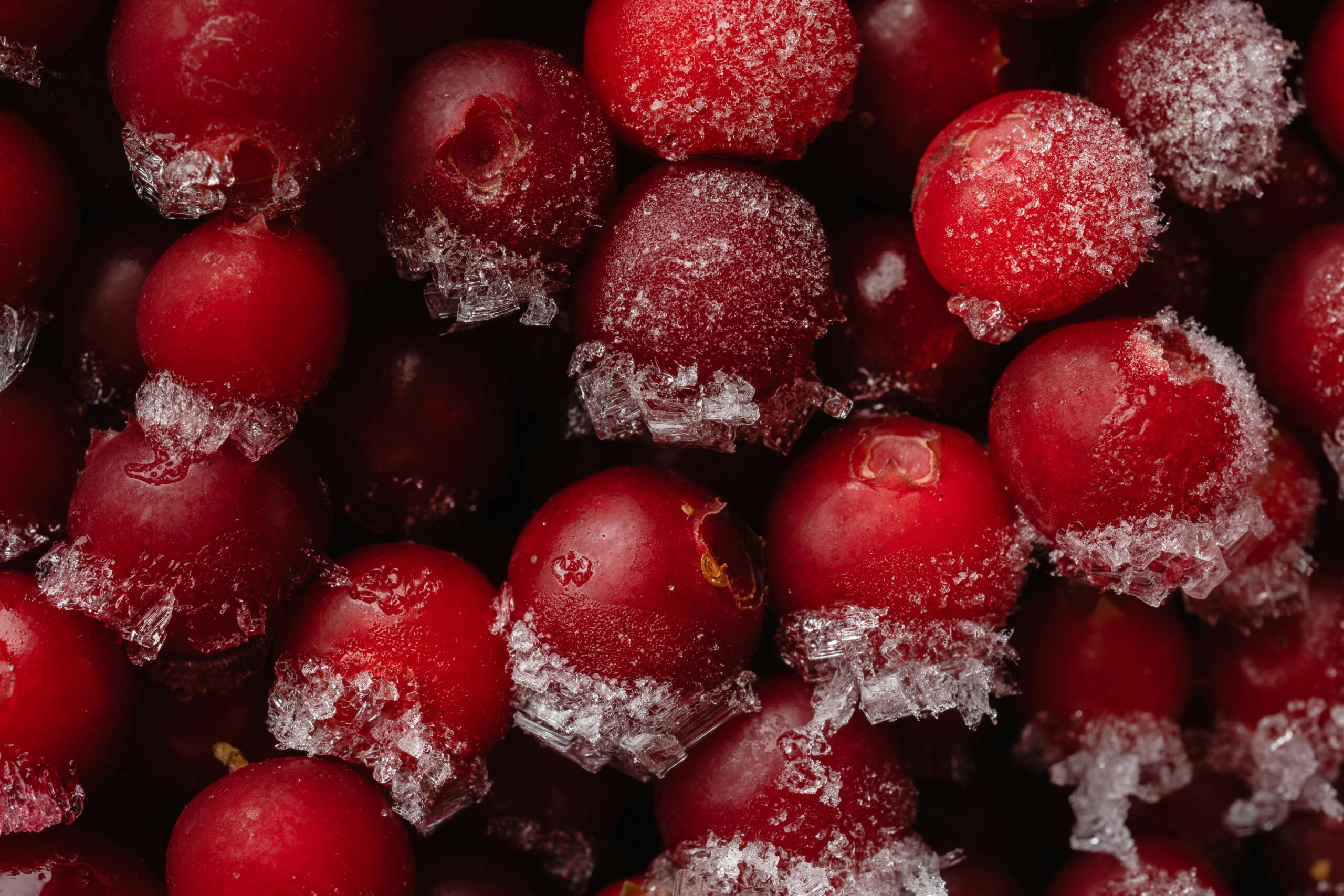
IQF technology has become the gold standard for preserving individual food items like berries, vegetables, and seafood. This method exposes food pieces to extremely cold air at high velocity, freezing each item separately within minutes. The result? Fruits and vegetables that maintain their shape, color, and nutritional value remarkably well.
The process prevents items from clumping together, allowing consumers to use only what they need while keeping the rest frozen. This technology particularly benefits delicate items like raspberries, which would otherwise become mushy masses in conventional freezing.
Cryogenic Freezing Systems
Cryogenic freezing employs liquid nitrogen or carbon dioxide at temperatures reaching -196°C (-320°F). This extreme cold causes almost instantaneous freezing, creating microscopic ice crystals that preserve cellular structure exceptionally well. High-value products like premium meats, seafood, and gourmet prepared meals frequently utilize this technology.
While cryogenic freezing costs more than conventional methods, the superior quality justifies the investment for premium product lines. Consumers increasingly recognize and appreciate the difference in texture and taste.
The Role of Pre-Treatment in Texture Preservation 🔬
Before freezing even begins, proper preparation significantly impacts final texture quality. Food manufacturers employ various pre-treatment methods to protect cellular structure and enhance cryo-texture retention.
Blanching Techniques
Blanching vegetables before freezing serves multiple purposes. This brief heat treatment inactivates enzymes that would otherwise cause color changes, flavor deterioration, and texture breakdown during frozen storage. Properly blanched vegetables maintain vibrant colors and crisp textures far longer than unblanched alternatives.
The timing must be precise—too little blanching leaves enzymes active, while excessive blanching causes cooking that softens the product unnecessarily. Modern processing facilities use automated systems to ensure consistency.
Protective Glazing
Seafood and certain meats often receive a protective ice glaze after freezing. This thin ice coating prevents dehydration and oxidation during storage, preserving moisture content and preventing freezer burn. The glaze acts as a barrier between the food surface and the harsh freezer environment.
Understanding Ice Crystal Formation and Control
Ice crystal management represents the cornerstone of successful cryo-texture retention. Scientists have devoted countless hours to understanding how water behaves during freezing and developing strategies to control crystal growth.
Small ice crystals measuring less than 50 micrometers cause minimal cellular damage, while crystals exceeding 100 micrometers create significant disruption. The difference between these sizes determines whether frozen food maintains excellent texture or becomes unappetable.
Nucleation Control
Nucleation refers to the initial formation of ice crystals. Promoting numerous nucleation sites throughout the food encourages many small crystals rather than few large ones. Rapid temperature reduction and mechanical agitation during freezing both enhance nucleation rates.
Some advanced systems inject microscopic ice crystals as seeds, providing countless nucleation sites that result in uniformly small crystal formation throughout the product.
Ingredient Technologies That Enhance Texture Retention 🥗
Beyond freezing techniques, formulators incorporate specific ingredients that protect texture during freezing and storage. These functional ingredients work at the molecular level to preserve food quality.
Cryoprotectants
Natural and modified sugars, proteins, and polysaccharides function as cryoprotectants by interfering with ice crystal growth. These compounds bind with water molecules, reducing available water for large crystal formation. They also protect protein structures from freeze-induced denaturation.
Common cryoprotectants include sucrose, trehalose, sorbitol, and various hydrocolloids like carrageenan and xanthan gum. Food scientists carefully balance these ingredients to achieve protection without compromising flavor or adding unwanted sweetness.
Texture-Modifying Hydrocolloids
Hydrocolloids serve dual purposes in frozen foods—they improve texture in the finished product while also providing freeze-thaw stability. These ingredients form networks that trap water, preventing it from migrating and forming large ice crystals.
Different hydrocolloids offer specific benefits: pectin excels in fruit applications, while modified starches work well in sauces and gravies. Selecting the right combination requires expertise in food science and extensive testing.
Storage Conditions and Their Impact on Texture
Even perfectly frozen food can suffer texture degradation if storage conditions aren’t optimal. Temperature fluctuations pose the greatest threat to maintaining cryo-texture retention benefits.
The Temperature Fluctuation Problem
Every time frozen food experiences warming and refreezing, ice crystals grow larger through a process called recrystallization. Small crystals melt partially during warming, then the water refreezes onto remaining crystals, enlarging them. Repeated cycles progressively destroy texture quality.
Maintaining consistent temperatures below -18°C (0°F) throughout the cold chain—from manufacturing through distribution to home storage—preserves the benefits of advanced freezing technologies. Unfortunately, temperature abuse remains common in retail displays and home freezers.
Evaluating Texture Quality in Frozen Foods 📊
Food scientists employ sophisticated methods to measure and evaluate texture retention objectively. These assessments guide product development and quality control processes.
Instrumental Texture Analysis
Texture analyzers measure mechanical properties like firmness, crunchiness, and elasticity through standardized compression and shear tests. These instruments provide quantitative data that correlates with human sensory perception, allowing consistent quality monitoring.
Parameters measured include peak force, work of shear, and stress-strain relationships. Comparing frozen-thawed samples against fresh controls reveals how well cryo-texture retention strategies perform.
Microscopic Evaluation
Electron microscopy reveals cellular structure at high magnification, showing ice crystal damage to cell walls and membranes. This technique helps researchers understand how different freezing methods and formulations affect food microstructure, guiding technology improvements.
Category-Specific Texture Challenges and Solutions
Different food categories present unique texture preservation challenges requiring specialized approaches tailored to their specific characteristics.
Fruits and Vegetables
Plant tissues contain high water content and delicate cell structures particularly vulnerable to freeze damage. Success requires rapid freezing combined with proper blanching. Vegetables with high structural integrity like peas and corn freeze more successfully than delicate leafy greens.
Fruits present additional challenges due to their high sugar content and soft textures. Berry fruits benefit most from IQF technology, while fruits destined for smoothies require less texture protection since blending is the intended use.
Meat and Seafood
Protein-based foods suffer different texture issues than plant materials. Ice crystal formation disrupts muscle fiber structure, while fat oxidation creates off-flavors. Rapid cryogenic freezing combined with protective glazing offers optimal results for premium products.
Seafood particularly benefits from ultra-fast freezing, as the delicate protein structures degrade rapidly. Flash-frozen fish can actually surpass “fresh” fish that spent days in transport and display.
Prepared Meals and Baked Goods
Complex prepared foods containing multiple ingredients present compounded challenges. Sauces may separate, starches become grainy, and different components freeze at different rates. Formulation expertise becomes critical, balancing cryoprotectants and stabilizers to maintain overall dish quality.
Baked goods face moisture migration issues where water moves from filling to crust or vice versa during frozen storage. Barrier layers and moisture-controlling ingredients help maintain proper texture distribution.
Consumer Tips for Maximizing Frozen Food Quality at Home 🏠
Even premium frozen foods with excellent cryo-texture retention require proper handling at home to maintain their quality advantages.
First, minimize temperature fluctuations by keeping freezer doors closed and maintaining consistent temperatures. Invest in a freezer thermometer to ensure your appliance maintains proper temperature—many home freezers run warmer than optimal.
Second, use proper packaging when freezing home-prepared foods. Remove as much air as possible and use moisture-vapor resistant materials. Vacuum sealing provides excellent protection against freezer burn and quality loss.
Third, practice first-in-first-out rotation. Even frozen foods have optimal storage periods. Most vegetables maintain peak quality for 8-12 months, while meats vary from 4-12 months depending on fat content.
Fourth, thaw foods properly when required. Refrigerator thawing, though slower, causes less cellular damage than microwave or room temperature methods. Some items like certain vegetables actually perform better cooked directly from frozen.
The Future of Cryo-Texture Retention Technology 🚀
Ongoing research continues advancing frozen food quality through innovative approaches that seemed impossible just decades ago. Emerging technologies promise even better texture preservation in coming years.
High-Pressure Freezing
This experimental technique applies extreme pressure during freezing, fundamentally changing how ice crystals form. Under high pressure, water molecules pack differently, potentially creating ice structures less damaging to food cells. Though currently expensive and complex, this technology shows promise for ultra-premium applications.
Electromagnetic Freezing
Magnetic and electric fields applied during freezing appear to influence ice crystal formation, though mechanisms remain partially understood. Some studies suggest these fields promote smaller, more uniform crystals. Commercial systems are beginning to appear, though widespread adoption awaits further validation.
Nanotechnology Applications
Researchers explore nano-scale particles that could serve as controlled nucleation sites or protect cellular structures at molecular levels. These applications remain largely experimental but represent exciting possibilities for future texture preservation breakthroughs.
Environmental Considerations in Advanced Freezing
As freezing technology advances, environmental sustainability becomes increasingly important. Energy-intensive ultra-rapid freezing methods must balance quality benefits against carbon footprints.
Manufacturers increasingly adopt energy-efficient refrigeration systems, renewable energy sources, and optimized processes that minimize environmental impact while maintaining quality standards. Consumers increasingly value sustainability alongside quality, driving industry innovation in eco-friendly freezing technologies.
Why Texture Matters Beyond Just Taste
Texture significantly influences our eating experience and food acceptance. Studies show that unexpected or unpleasant textures can trigger food rejection regardless of flavor. This psychological response explains why texture preservation matters so critically for frozen food success.
Proper texture also affects satiety signals and digestive processes. Foods requiring chewing provide greater satisfaction than those that don’t, while texture influences how quickly we eat and how much we consume. These factors make cryo-texture retention relevant beyond simple sensory pleasure.
The remarkable advances in cryo-texture retention technology have transformed frozen foods from convenient but compromised alternatives into legitimate rivals to fresh products. Understanding the science behind these innovations helps consumers make informed choices and appreciate the sophisticated technology preserving their food. As research continues and new methods emerge, the gap between frozen and fresh continues narrowing, ensuring that convenience need not mean sacrificing quality or sensory satisfaction.