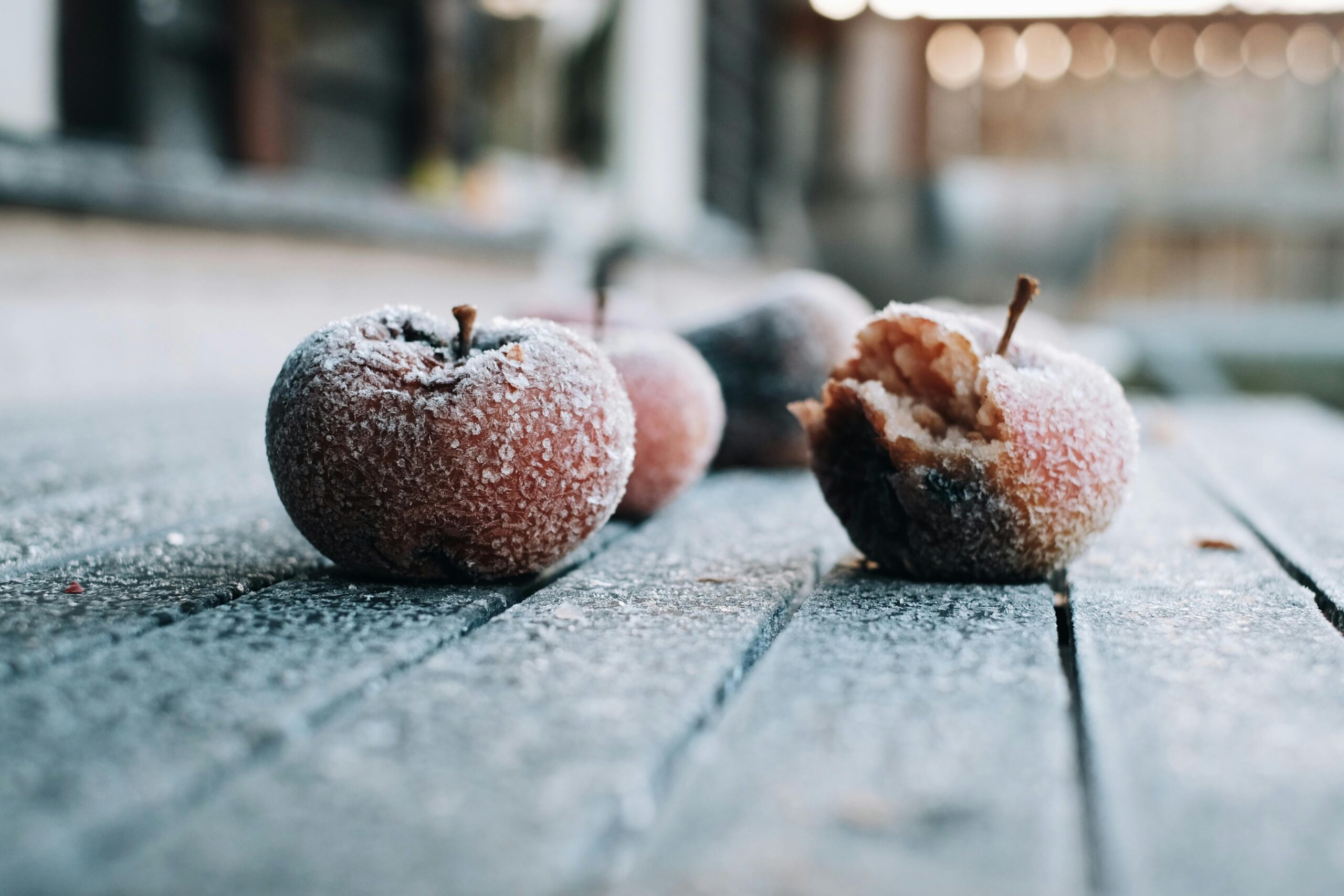
Cryogenic freezing is revolutionizing food preservation by maintaining exceptional color, texture, and flavor that traditional freezing methods simply cannot match. ❄️

The quest for perfect food preservation has led scientists and food manufacturers to explore increasingly sophisticated technologies. Among these innovations, cryogenic freezing stands out as a game-changing method that’s transforming how we preserve everything from gourmet meals to fresh produce. This ultra-rapid freezing technique utilizes extremely low temperatures to lock in freshness at a cellular level, creating results that consistently outperform conventional freezing methods.
Understanding how cryogenic freezing works and why it’s superior to traditional methods can help both industry professionals and consumers make better decisions about food preservation. Whether you’re a restaurant owner looking to maintain ingredient quality, a food manufacturer seeking to extend product shelf life, or simply someone interested in culinary science, this comprehensive guide will reveal the secrets behind this remarkable preservation technology.
🧊 What Makes Cryogenic Freezing Different?
Cryogenic freezing operates on a fundamentally different principle than your home freezer. Instead of slowly lowering temperatures over hours, cryogenic systems plunge food items to temperatures below -150°F (-100°C) in mere minutes or even seconds. This extreme cold is typically achieved using liquid nitrogen or liquid carbon dioxide as the freezing medium.
The primary advantage lies in the speed of the freezing process. When food freezes slowly, large ice crystals form within the cellular structure. These crystals act like tiny daggers, piercing cell walls and causing irreversible damage. When the food thaws, those damaged cells release moisture, nutrients, and flavor compounds, resulting in mushy textures and diminished taste.
Cryogenic freezing creates microscopic ice crystals that form so quickly they don’t have time to grow large enough to damage cellular structures. The result is food that maintains its original texture, color vibrancy, and nutritional profile even after extended storage periods.
The Science Behind Color Preservation 🎨
One of the most visually striking benefits of cryogenic freezing is its ability to maintain the brilliant colors of fresh food. The vibrant reds of strawberries, the deep greens of spinach, and the golden yellows of corn all remain remarkably true to their original appearance.
This color preservation happens because rapid freezing minimizes enzymatic activity that typically causes browning and discoloration. Enzymes are proteins that catalyze chemical reactions in food, including those responsible for color degradation. When food is frozen rapidly, these enzymes are essentially stopped in their tracks before they can cause noticeable changes.
Additionally, the minimal ice crystal formation prevents the rupture of chromoplasts and chloroplasts—the cellular structures that contain pigments. In traditionally frozen foods, these structures break down, releasing and degrading the color compounds. Cryogenic freezing keeps them intact, preserving the natural beauty of the food.
Maintaining Anthocyanins and Carotenoids
Two important categories of plant pigments benefit tremendously from cryogenic preservation. Anthocyanins, which provide red, purple, and blue colors in berries and certain vegetables, are particularly sensitive to oxidation and pH changes. The rapid freezing process minimizes exposure to conditions that would degrade these delicate compounds.
Similarly, carotenoids—responsible for orange and yellow hues in carrots, squash, and citrus fruits—remain stable when subjected to cryogenic temperatures. These fat-soluble pigments can deteriorate when ice crystals damage cell membranes, but the ultra-fast freezing prevents this damage from occurring.
Flavor Preservation: Locking in the Taste Experience 👅
Beyond appearance, cryogenic freezing excels at preserving the complex flavor profiles that make food enjoyable. Taste is influenced by thousands of volatile organic compounds, many of which are extremely sensitive to temperature fluctuations and oxidation.
Traditional freezing methods allow time for these volatile compounds to escape or chemically transform before the food is fully frozen. The slow formation of ice crystals also concentrates solutes in the remaining liquid portions of cells, creating conditions that can accelerate unwanted chemical reactions.
Cryogenic freezing circumvents these problems by achieving the frozen state so rapidly that volatile compounds remain trapped within the food matrix. The cellular environment is essentially “captured” at the moment of freezing, with minimal opportunity for flavor loss or degradation.
Protecting Delicate Aromatics
Aromatic compounds are particularly vulnerable during conventional freezing. Herbs like basil, cilantro, and mint contain essential oils that give them their characteristic scents and flavors. These oils can evaporate or oxidize during slow freezing processes, resulting in herbs that taste flat or “freezer burned” after thawing.
Cryogenically frozen herbs maintain their aromatic intensity remarkably well, often tasting nearly identical to fresh herbs even after months of storage. This quality has made cryogenic freezing invaluable for the culinary industry, where flavor consistency is paramount.
Applications Across the Food Industry 🍽️
The superior preservation qualities of cryogenic freezing have made it increasingly popular across multiple sectors of the food industry. Each application leverages the technology’s unique advantages in different ways.
Restaurant and Catering Operations
High-end restaurants use cryogenic freezing to prepare components in advance without compromising quality. Sauces, stocks, and specialty preparations can be made during slow periods and frozen for later use, maintaining their just-made taste and appearance. This allows chefs to manage labor costs while still delivering exceptional dining experiences.
Catering companies benefit similarly, preparing elaborate dishes days or weeks before events with confidence that the final product will meet exacting standards. The technology has essentially eliminated the trade-off between advance preparation and quality.
Produce and Agricultural Products
Farmers and produce distributors face constant challenges with seasonal availability and spoilage. Cryogenic freezing allows them to preserve peak-season harvest quality, extending availability year-round. Berries, which are notoriously delicate, maintain their structure and flavor profile exceptionally well with this method.
The technology also reduces food waste by providing a viable preservation option for produce that might otherwise spoil before reaching consumers. This has significant environmental and economic implications for the agricultural sector.
Pharmaceutical and Nutraceutical Industries
Beyond traditional food applications, cryogenic freezing plays a crucial role in preserving biological materials, probiotics, and nutritional supplements. The rapid freezing prevents the formation of crystals that would damage delicate bacterial cultures or degrade heat-sensitive vitamins and compounds.
This application has become increasingly important as functional foods and supplements containing live cultures have grown in popularity. Cryogenic preservation ensures these products maintain their promised health benefits throughout their shelf life.
Comparing Freezing Methods: A Clear Winner 📊
To truly appreciate cryogenic freezing’s advantages, it’s helpful to compare it directly with other common preservation methods. Each approach has its place, but the differences in quality outcomes are significant.
| Freezing Method | Freezing Time | Ice Crystal Size | Texture Retention | Color Preservation | Flavor Retention |
|---|---|---|---|---|---|
| Home Freezer | 3-12 hours | Large | Poor to Fair | Moderate | Fair |
| Blast Freezing | 30-90 minutes | Medium | Good | Good | Good |
| Cryogenic Freezing | 5-15 minutes | Very Small | Excellent | Excellent | Excellent |
The table clearly illustrates how freezing speed correlates with preservation quality. The faster the freeze, the smaller the ice crystals, and the better the overall results across all quality metrics that matter to consumers and food professionals.
Environmental Considerations and Sustainability ♻️
As with any industrial process, it’s important to consider the environmental impact of cryogenic freezing. The technology uses liquid nitrogen or carbon dioxide, both of which have environmental considerations that must be addressed.
Liquid nitrogen is typically produced through air separation, an energy-intensive process. However, nitrogen is inert and returns harmlessly to the atmosphere after use, comprising 78% of the air we breathe. There’s no chemical contamination or harmful byproducts from its use in food preservation.
From a sustainability perspective, cryogenic freezing’s ability to reduce food waste offers significant environmental benefits. Food waste is a major contributor to greenhouse gas emissions, and any technology that extends usable food life contributes positively to environmental goals.
Reducing the Cold Chain Carbon Footprint
The superior preservation quality of cryogenic freezing means products maintain quality for longer periods, potentially reducing the frequency of shipments and the energy required for the cold chain. Food that stays fresh longer requires fewer replacement shipments, lowering transportation emissions over the product lifecycle.
Additionally, the reduced spoilage rates mean less food ends up in landfills, where decomposing organic matter produces methane—a greenhouse gas significantly more potent than carbon dioxide.
Implementing Cryogenic Freezing: Practical Considerations 💼
For businesses considering adopting cryogenic freezing technology, several practical factors deserve careful evaluation. While the quality benefits are clear, implementation requires thoughtful planning and investment.
Initial Investment and Operating Costs
Cryogenic freezing systems require substantial upfront capital investment. The equipment itself is specialized and typically more expensive than conventional freezer units. Additionally, facilities need adequate ventilation systems to handle the cryogenic gases safely.
Operating costs include the ongoing purchase of liquid nitrogen or carbon dioxide, which can be significant depending on freezing volume. However, these costs must be weighed against the value proposition: premium product quality, reduced waste, extended shelf life, and potential for higher product pricing based on superior quality.
Staff Training and Safety Protocols
Working with cryogenic materials requires proper training and safety procedures. Liquid nitrogen at -320°F (-196°C) can cause severe cold burns on contact with skin. Adequate personal protective equipment and comprehensive safety training are non-negotiable requirements for any operation using this technology.
Most suppliers of cryogenic freezing equipment provide training programs and ongoing support to ensure safe, effective operation. This partnership approach helps businesses transition smoothly to the new technology.
The Future of Food Preservation Technology 🚀
Cryogenic freezing represents current best practices in preservation technology, but innovation continues. Researchers are exploring ways to make the technology more energy-efficient, more accessible to smaller operations, and even more effective at preserving specific food categories.
Hybrid systems that combine cryogenic flash-freezing with other preservation methods show promise for achieving optimal results while managing costs. For example, using a brief cryogenic treatment to rapidly freeze the surface of products, then transferring them to conventional cold storage, can provide many of the quality benefits at reduced operating expense.
Personalized Preservation Solutions
As the technology becomes more widespread, we’re likely to see more specialized applications tailored to specific food types. Different foods have unique cellular structures and chemical compositions that respond optimally to particular freezing protocols. Future systems may incorporate artificial intelligence to automatically adjust freezing parameters based on the product being processed.
Consumer-level cryogenic preservation devices may also emerge, though significant technical challenges remain in making the technology safe and practical for home use. The potential market for such devices is substantial, as consumers increasingly seek restaurant-quality preservation capabilities in their own kitchens.
Making the Most of Cryogenically Frozen Foods 🥘
Even perfectly preserved food requires proper handling after freezing to deliver optimal results. Understanding how to thaw and prepare cryogenically frozen products ensures you realize the full benefits of the preservation technology.
Optimal Thawing Techniques
The quality advantages of cryogenic freezing can be partially negated by improper thawing. Slow, controlled thawing in refrigerated conditions generally produces the best results, allowing the microscopic ice crystals to melt gradually without shocking the cellular structure.
For some applications, particularly in professional kitchens, cooking directly from the frozen state can produce excellent results. The rapid heat application of sautéing or grilling can work beautifully with cryogenically frozen proteins and vegetables, maintaining texture while developing desirable cooked flavors.
Storage Best Practices
Even cryogenically frozen foods benefit from proper storage conditions. Maintaining consistent temperatures below 0°F (-18°C) prevents partial thawing and refreezing, which can compromise quality. Proper packaging that minimizes air exposure prevents sublimation and freezer burn, though cryogenically frozen foods are considerably more resistant to these issues than conventionally frozen products.
Revolutionary Preservation for a Quality-Focused World ✨
The food industry’s embrace of cryogenic freezing reflects broader consumer trends toward quality, authenticity, and minimal processing. People increasingly expect frozen foods to deliver fresh-like experiences, and this technology makes that expectation realistic rather than aspirational.
For food producers, distributors, and restaurants, cryogenic freezing offers a competitive advantage that translates directly to customer satisfaction. The ability to serve high-quality products consistently, regardless of seasonal availability or preparation timing, represents genuine value in today’s demanding marketplace.
As the technology becomes more accessible and cost-effective, its adoption will likely accelerate across all segments of the food industry. The fundamental physics behind cryogenic preservation—rapid freezing creates minimal cellular damage—ensures these quality advantages will remain relevant regardless of future innovations.
Whether you’re encountering cryogenically frozen products as a consumer or considering implementing the technology in your business, understanding its principles and benefits empowers better decision-making. This remarkable preservation method truly delivers on its promise: freezing with ease while maintaining the colors, flavors, and textures that make food enjoyable. The secret is no longer a secret—it’s simply superior science applied to the timeless challenge of keeping food at its best.