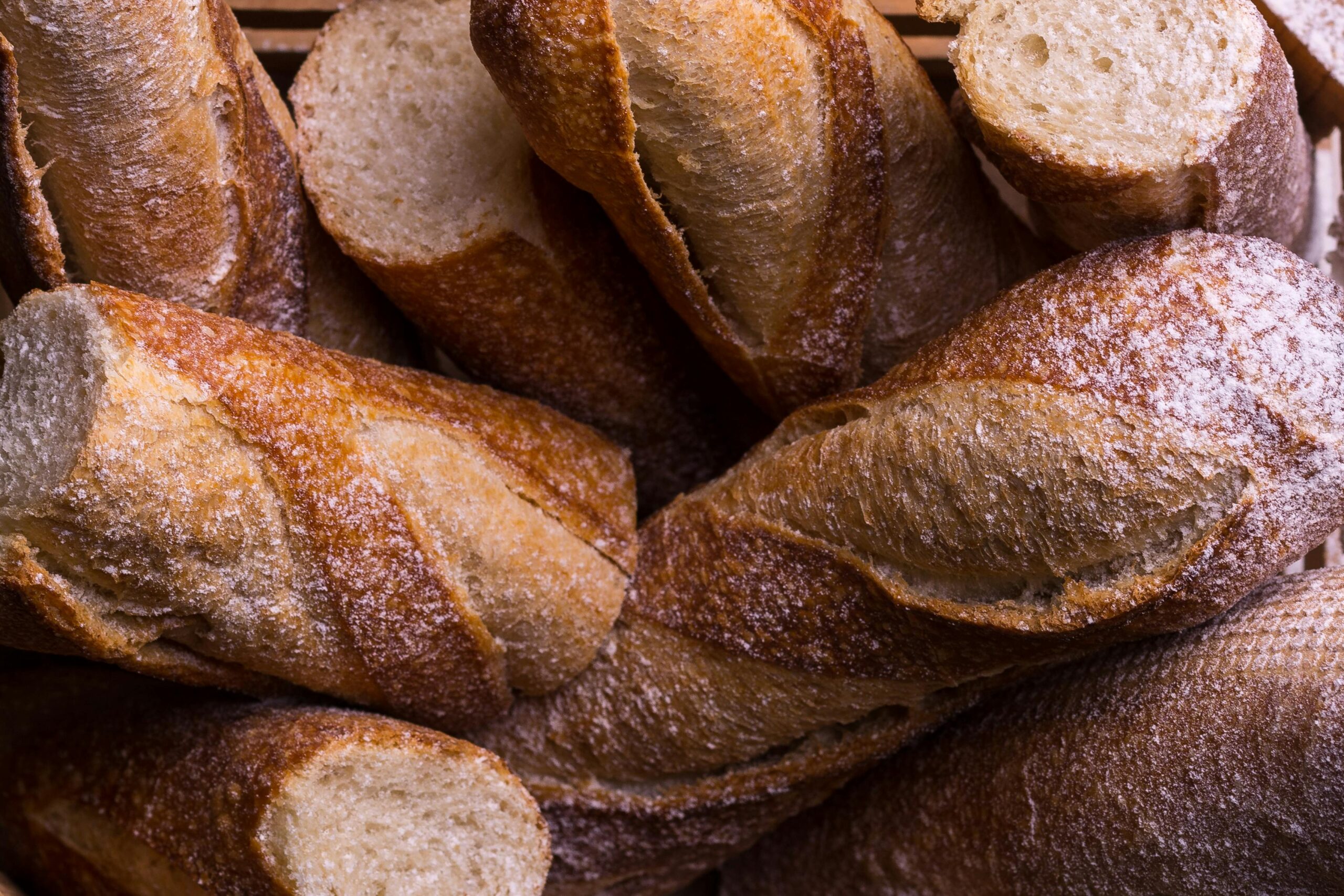
The frozen food aisle is experiencing a revolution. Cryo cuisine is transforming how we think about convenience, nutrition, and flavor in ready-to-eat meals.

🧊 What Exactly Is Cryo Cuisine?
Cryo cuisine represents the cutting-edge intersection of cryogenic technology and culinary arts. Unlike traditional freezing methods that can damage food cells and compromise texture, cryo cuisine utilizes ultra-rapid freezing techniques that preserve meals at the molecular level. This process, known as cryogenic freezing, involves temperatures as low as -196°C using liquid nitrogen or carbon dioxide.
The science behind this innovation is fascinating. When food freezes slowly, large ice crystals form within cells, rupturing their walls and causing that unpleasant mushy texture we’ve all experienced with conventional frozen meals. Cryo cuisine eliminates this problem by freezing food so quickly that only microscopic ice crystals develop, maintaining the original cellular structure.
This technology isn’t entirely new to the food industry, but its application to ready-to-eat meals represents a significant shift. Previously reserved for high-end restaurants and specialized food preservation, cryogenic freezing is now becoming accessible to everyday consumers seeking quality convenience foods.
Why Traditional Frozen Meals Fall Short ❄️
Let’s be honest: frozen dinners have long suffered from a reputation problem. The stigma exists for good reason. Traditional frozen meals often sacrifice quality for shelf stability, resulting in compromised nutritional value, artificial preservatives, and disappointing taste experiences.
Conventional freezing methods take hours to bring food to safe storage temperatures. During this prolonged process, enzymatic reactions continue, degrading vitamins, altering proteins, and breaking down delicate flavor compounds. The result? Meals that taste nothing like their fresh-cooked counterparts.
Additionally, manufacturers of traditional frozen meals frequently compensate for texture and flavor loss by adding excessive sodium, artificial flavors, and chemical stabilizers. These additives might extend shelf life and mask poor quality, but they certainly don’t contribute to healthy eating habits.
The Nutritional Compromise
Studies have shown that conventional freezing can reduce vitamin C content by up to 50% in some vegetables. B vitamins, particularly thiamine and riboflavin, are also susceptible to degradation during slow freezing and prolonged storage. This nutritional decline undermines one of the primary selling points of frozen meals: convenience without sacrificing health.
🚀 How Cryo Cuisine Changes Everything
Cryo cuisine addresses virtually every shortcoming of traditional frozen meals through advanced preservation technology. The benefits extend far beyond simple convenience, touching on nutrition retention, environmental sustainability, and culinary excellence.
The rapid freezing process locks in nutrients at their peak freshness. Research indicates that flash-frozen foods can actually retain more vitamins and minerals than their “fresh” counterparts that have spent days in transportation and storage. This counterintuitive fact challenges our assumptions about fresh versus frozen food quality.
Texture preservation is another game-changer. Delicate proteins like fish and poultry maintain their tender, juicy qualities. Vegetables retain their crisp bite rather than turning limp and watery. Even complex dishes with multiple components maintain their intended textures, something impossible with conventional freezing.
The Flavor Factor
Perhaps most impressive is how cryo cuisine preserves flavor compounds. Aromatic molecules that give foods their distinctive tastes are volatile and easily lost during traditional processing. Cryogenic freezing captures these compounds in milliseconds, maintaining the nuanced flavors of freshly prepared meals.
This means herbs stay aromatic, spices retain their complexity, and sauces maintain their intended balance. The difference is immediately noticeable when comparing a cryogenically frozen meal to a conventional frozen dinner.
The Environmental Edge 🌍
Sustainability concerns are increasingly influencing food choices, and cryo cuisine offers compelling environmental advantages. Food waste represents one of the largest contributors to greenhouse gas emissions globally. Nearly one-third of all food produced is wasted, with much of this occurring at the consumer level.
Cryo cuisine dramatically extends shelf life without compromising quality, reducing waste throughout the supply chain. Consumers can stock their freezers with confidence, knowing meals will remain delicious for months rather than days.
The technology also enables more efficient distribution networks. Since quality doesn’t degrade rapidly, products can be shipped using slower, more fuel-efficient transportation methods. Batch production becomes more practical, reducing energy consumption compared to small-scale meal preparation.
Local Sourcing Made Practical
Cryogenic preservation makes seasonal, local sourcing feasible year-round. Farmers can harvest produce at peak ripeness and immediately preserve it, capturing optimal flavor and nutrition while supporting local agriculture. This model reduces the carbon footprint associated with importing out-of-season ingredients from distant locations.
🍽️ What’s on the Menu?
The variety of meals benefiting from cryo cuisine technology is expanding rapidly. Early adopters focused on simple proteins and vegetables, but today’s offerings rival the sophistication of restaurant dining.
Gourmet entrees featuring complex preparations are now available. Think coq au vin with tender chicken in rich wine sauce, Thai curries with perfectly textured vegetables, or Mediterranean seafood stews with delicate fish that doesn’t turn rubbery.
Plant-based meals particularly shine with cryogenic preservation. Vegetable-forward dishes maintain vibrant colors and fresh flavors that conventional freezing destroys. This makes cryo cuisine especially appealing to the growing demographic seeking convenient plant-based options.
Global Flavors Without Compromise
Ethnic cuisines with intricate spice blends and specific texture requirements benefit enormously from this technology. Japanese dishes maintain the proper bite of vegetables, Indian curries preserve their aromatic complexity, and Italian pastas avoid the mushiness that plagues traditional frozen versions.
- Asian-inspired bowls with crispy vegetables and tender proteins
- Mediterranean plates featuring preserved herbs and quality olive oils
- Latin American dishes with properly textured beans and fresh-tasting salsas
- Middle Eastern mezze selections with authentic spice profiles
- European classics maintaining their traditional preparations
The Health Perspective 💪
Nutritionists are increasingly recognizing cryo cuisine as a legitimate healthy eating option. The preservation of vitamins and minerals addresses previous concerns about frozen meal nutrition. The reduced need for preservatives and stabilizers means cleaner ingredient lists.
Many cryo cuisine companies are partnering with dietitians to develop meals meeting specific dietary requirements. Low-sodium options don’t sacrifice flavor, making them palatable alternatives to traditional reduced-salt meals. Controlled portion sizes help with weight management while ensuring adequate nutrition.
The technology also preserves beneficial compounds beyond basic vitamins. Antioxidants in fruits and vegetables remain intact, omega-3 fatty acids in fish stay stable, and probiotic cultures in fermented foods maintain viability when properly processed.
Allergen Management and Dietary Restrictions
Cryo cuisine facilitates clearer allergen management. The preservation method doesn’t require the cross-contamination risks associated with some traditional processing techniques. Companies can offer certified gluten-free, dairy-free, or allergen-specific options with greater confidence.
🔬 The Science Behind the Chill
Understanding the technical aspects helps appreciate why cryo cuisine represents such a significant advancement. Liquid nitrogen, the most common cryogenic agent, boils at -196°C. When food contacts this ultra-cold substance, heat transfers so rapidly that freezing occurs in seconds rather than hours.
This rapid temperature drop creates a phenomenon called the glass transition state, where water molecules don’t have time to organize into large crystalline structures. Instead, they form an amorphous solid that doesn’t damage cellular structures.
Different foods require precise protocols. Proteins need different freezing rates than vegetables. Sauces and liquids demand specialized techniques to prevent separation. Leading cryo cuisine companies employ food scientists who develop customized freezing protocols for each recipe component.
Quality Control and Safety
The rapid freezing process also enhances food safety. Pathogenic bacteria require time to multiply, and the near-instantaneous temperature drop halts all microbial activity before contamination can occur. This inherent safety feature reduces the need for additional preservation methods.
Making Cryo Cuisine Work for Your Lifestyle 🏠
Incorporating these advanced meals into daily routines requires minimal adjustment. Most cryo cuisine products are designed for conventional kitchen equipment, though some perform optimally with specific preparation methods.
Storage is straightforward. Standard home freezers maintain appropriate temperatures, though avoiding temperature fluctuations preserves quality longer. Organization systems help maximize freezer space while ensuring older products get used first.
Preparation methods vary by product. Some meals benefit from steam heating to preserve moisture, while others perform well in conventional ovens or microwaves. Manufacturers typically provide detailed instructions optimized for their specific products.
Meal Planning Advantages
The extended shelf life transforms meal planning. Busy professionals can stock diverse options without pressure to consume them quickly. Families can maintain variety without daily shopping trips. Single-person households avoid the waste inherent in cooking full recipes.
| Benefit | Traditional Frozen | Cryo Cuisine |
|---|---|---|
| Texture Quality | Often mushy or rubbery | Near-fresh consistency |
| Nutrient Retention | 50-70% of fresh | 90-95% of fresh |
| Preservatives Needed | Moderate to high | Minimal to none |
| Flavor Profile | Often artificial | Natural and vibrant |
| Preparation Time | 8-15 minutes | 5-10 minutes |
The Economic Equation 💰
Cost considerations inevitably factor into food choices. Cryo cuisine products typically command premium prices compared to conventional frozen meals, reflecting the advanced technology and higher-quality ingredients involved.
However, the value proposition extends beyond simple price comparison. Reduced food waste saves money over time. The convenience factor has economic value for busy individuals whose time is limited. The nutritional quality may reduce healthcare costs associated with poor dietary choices.
As technology adoption increases and production scales up, prices are becoming more competitive. Some companies are achieving cost parity with premium conventional frozen options while offering superior quality.
🌟 The Restaurant Connection
Professional chefs are embracing cryo cuisine technology for both meal preparation and preservation. High-end restaurants use cryogenic freezing to maintain ingredient quality, prepare components in advance, and reduce waste.
Some renowned chefs have launched consumer product lines leveraging their culinary expertise and cryo technology. These offerings bring restaurant-quality meals to home kitchens, democratizing gourmet dining experiences.
The technology also enables ghost kitchen concepts and meal delivery services focused on quality. Chefs can prepare dishes at optimal freshness, preserve them cryogenically, and distribute them widely without compromising their vision.
Looking Ahead: The Frozen Future 🔮
The trajectory of cryo cuisine points toward continued innovation and broader accessibility. Research is ongoing into improved freezing protocols, novel applications, and enhanced nutritional outcomes.
Personalization represents an emerging frontier. Companies are developing systems to create customized meals based on individual dietary needs, preferences, and even genetic profiles. Artificial intelligence could eventually optimize recipes specifically for cryogenic preservation.
Integration with smart kitchen technology is another promising direction. Imagine freezers that track inventory, suggest meals based on nutritional needs, and automatically reorder favorites. Preparation devices could scan meals and adjust cooking parameters automatically.
Sustainability Innovations
Environmental advances continue progressing. More efficient cryogenic systems reduce energy consumption. Packaging innovations minimize plastic waste while maintaining product protection. Closed-loop systems recapture and reuse cryogenic gases.
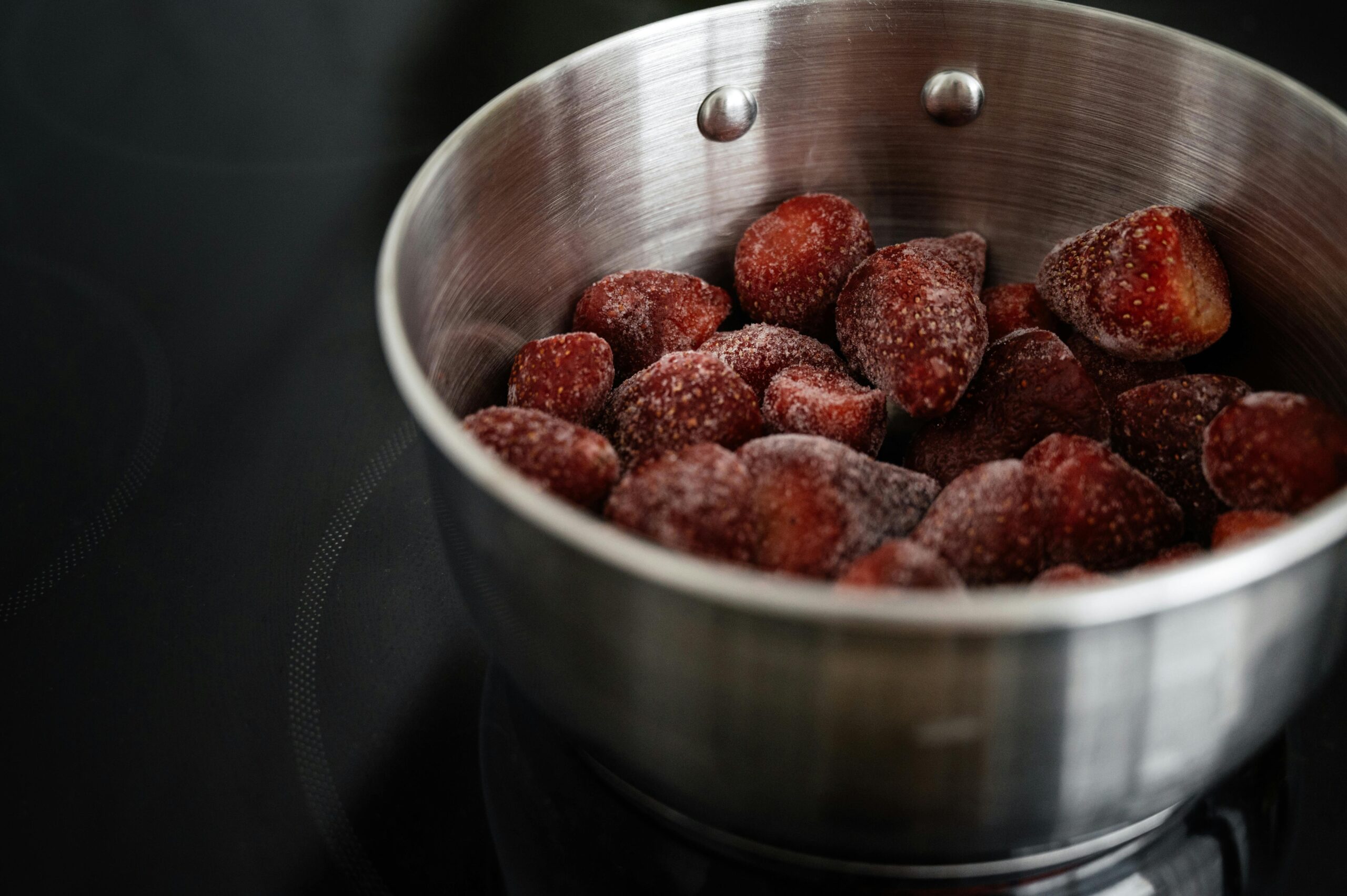
Your Next Meal Might Be Frozen 🍱
Cryo cuisine is fundamentally changing our relationship with frozen food. The stigma attached to freezer meals is dissolving as quality improves and awareness grows. For health-conscious consumers seeking convenience without compromise, these advanced ready-to-eat options offer compelling solutions.
The technology addresses modern dietary challenges: limited time for meal preparation, desire for nutritious options, interest in varied cuisines, and commitment to reducing food waste. As production expands and prices normalize, cryo cuisine will likely become mainstream rather than niche.
Whether you’re a busy professional, health-focused parent, culinary enthusiast with limited time, or simply someone who appreciates good food without extensive preparation, cryo cuisine deserves consideration. The frozen food aisle has evolved far beyond the bland TV dinners of decades past.
The future of convenient eating is here, and it’s decidedly chilled. Cryo cuisine represents more than technological advancement; it’s a paradigm shift in how we approach food preservation, nutrition, and convenience. As we continue prioritizing both health and efficiency in our increasingly busy lives, these innovative frozen meals provide a practical path forward that doesn’t require sacrificing quality for convenience.