Staying properly hydrated isn’t just about drinking water—it’s about understanding your body’s needs and creating sustainable habits that keep you feeling energized, focused, and healthy every single day.

🌊 Why Hydration Matters More Than You Think
Water makes up approximately 60% of your body weight, and every system in your body depends on it to function properly. From regulating your body temperature to cushioning your joints and transporting nutrients throughout your cells, water is the ultimate multitasker your body cannot live without.
Dehydration occurs when you lose more fluids than you take in, and your body doesn’t have enough water to carry out its normal functions. Even mild dehydration can drain your energy, make you feel tired, and trigger headaches. When you’re dehydrated, your blood becomes thicker, making your heart work harder to pump oxygen and nutrients to your muscles and organs.
The challenge is that many people walk around in a state of chronic mild dehydration without even realizing it. Your body’s thirst mechanism isn’t always reliable, especially as you age. By the time you feel thirsty, you may already be slightly dehydrated. That’s why developing proactive hydration habits is so important for your overall health and wellbeing.
🚨 Recognizing the Warning Signs Your Body Is Thirsty
Your body sends you signals when it needs more water, but are you listening? Understanding these warning signs can help you take action before dehydration affects your daily performance and comfort.
Physical Symptoms to Watch For
The most obvious sign is thirst, but other indicators include dark yellow urine (it should be pale yellow), dry mouth and lips, infrequent urination, and feeling dizzy or lightheaded. You might also experience headaches that seem to come from nowhere, especially in the afternoon.
Your skin can tell you a lot about your hydration status. Try the skin turgor test: gently pinch the skin on the back of your hand and release it. Well-hydrated skin bounces back immediately, while dehydrated skin takes longer to return to its normal position. Dry, flaky skin and chapped lips are also common indicators that you need more fluids.
Mental and Performance Red Flags
Dehydration doesn’t just affect you physically—it impacts your mental clarity too. You might notice difficulty concentrating, feeling unusually tired or sluggish, experiencing mood swings, or having trouble remembering things. Even mild dehydration of just 1-2% of body weight can impair cognitive function and physical performance.
Athletes and active individuals often notice decreased endurance, muscle cramps, and reduced coordination when dehydrated. If you’re working out and suddenly feel weaker than usual, hydration could be the missing piece of your performance puzzle.
💧 How Much Water Do You Actually Need?
You’ve probably heard the “eight glasses a day” rule, but the truth is more nuanced. Your individual water needs depend on numerous factors including your size, activity level, climate, and overall health status.
The National Academies of Sciences, Engineering, and Medicine determined that adequate daily fluid intake is about 15.5 cups (3.7 liters) for men and 11.5 cups (2.7 liters) for women. This includes fluids from water, other beverages, and food. About 20% of your daily fluid intake typically comes from food, especially fruits and vegetables with high water content.
Factors That Increase Your Water Needs
Your baseline hydration needs increase when you exercise or engage in physical activity that makes you sweat. You’ll need to drink extra water to cover the fluid loss. Hot or humid weather also increases your sweat production and requires additional fluid intake, even if you’re not exercising.
Pregnancy and breastfeeding significantly increase hydration needs. Pregnant women should aim for about 10 cups of fluids daily, while breastfeeding mothers need approximately 13 cups. Certain health conditions like fever, diarrhea, or vomiting also cause you to lose fluids rapidly and require increased water consumption.
If you take medications like diuretics, you may need to compensate for increased fluid loss. Always consult with your healthcare provider about your specific hydration needs if you have medical conditions or take medications that affect fluid balance.
🏠 Smart Hydration Strategies for Home
Creating an environment that supports healthy hydration habits makes staying properly hydrated almost effortless. These practical strategies can help you maintain optimal fluid intake throughout your day at home.
Make Water Visible and Accessible
Out of sight, out of mind applies perfectly to water consumption. Keep a large water bottle or pitcher on your desk, kitchen counter, or wherever you spend most of your time. Having water within arm’s reach eliminates the friction of having to get up and pour a glass every time you’re thirsty.
Invest in a quality reusable water bottle that you actually enjoy using. Whether it’s insulated to keep water cold, has measurement markers to track intake, or simply has a design you love, finding the right bottle can motivate you to drink more throughout the day.
Create Hydration Rituals and Routines
Tie your water consumption to existing habits. Drink a full glass of water immediately after waking up to rehydrate after hours of sleep. Have a glass before each meal—this not only ensures regular hydration but can also help with digestion and prevent overeating.
Set up hydration checkpoints throughout your day. For example, finish one bottle by lunch, another by mid-afternoon, and a third by dinner. These mini-goals make the overall target feel more manageable and give you regular opportunities to assess your progress.
Use Technology as Your Hydration Assistant
Smartphone apps can send you gentle reminders to drink water throughout the day, track your intake, and help you build consistent habits. Many hydration tracking apps let you customize reminders based on your schedule, set daily goals adjusted for your body weight and activity level, and even sync with fitness trackers.
Smart water bottles with hydration tracking technology are another option. These bottles connect to apps and light up or send notifications when it’s time to drink, making hydration feel like a high-tech wellness game rather than a chore.
🍎 Beyond Plain Water: Hydrating Foods and Beverages
While water should be your primary hydration source, you have plenty of delicious options to help you meet your daily fluid needs and keep things interesting.
Water-Rich Foods That Hydrate
Many fruits and vegetables have extremely high water content and contribute significantly to your hydration. Cucumbers lead the pack at about 96% water, followed closely by lettuce, celery, and radishes. Watermelon, strawberries, cantaloupe, and peaches are all over 90% water.
Incorporate these hydrating foods into your meals and snacks. A large salad with cucumber, tomatoes, and lettuce not only provides nutrients but also contributes to your fluid intake. Fruit smoothies, gazpacho, and vegetable soups are excellent ways to increase hydration while enjoying flavorful meals.
Beverages That Count Toward Hydration
Herbal teas, both hot and iced, are excellent hydration options with added flavor and potential health benefits. Green tea, chamomile, peppermint, and hibiscus teas provide fluids without added sugars or calories. Just watch the caffeine content if you’re sensitive.
Milk and plant-based milk alternatives contribute to hydration and provide additional nutrients like calcium, vitamin D, and protein. Coconut water is naturally rich in electrolytes and makes an excellent post-workout hydration choice.
100% fruit juices provide hydration but should be consumed in moderation due to their natural sugar content. Diluting juice with water or sparkling water creates a refreshing beverage with less sugar and more volume to help you stay hydrated.
What to Limit or Avoid
Caffeinated beverages like coffee and regular tea have a mild diuretic effect, though research shows that moderate consumption still contributes to overall hydration. However, energy drinks often contain excessive caffeine and sugar, making them poor hydration choices.
Alcohol is actually dehydrating because it increases urine production. If you drink alcohol, follow each alcoholic beverage with a glass of water to help offset the dehydrating effects and prevent hangovers.
Sugary sodas and sweetened beverages provide fluids but come with health drawbacks including excess calories, blood sugar spikes, and dental problems. They should not be your primary hydration source.
🏃 Special Hydration Considerations for Active Lifestyles
If you exercise regularly or lead an active lifestyle, your hydration strategy needs to be more intentional and strategic to support your performance and recovery.
Before, During, and After Exercise
Start hydrating well before your workout begins. Drink about 17-20 ounces of water two to three hours before exercising, then another 8 ounces during your warm-up. This ensures you begin your activity well-hydrated rather than playing catch-up.
During exercise, aim to drink 7-10 ounces of water every 10-20 minutes, adjusting for intensity, duration, and sweat rate. For workouts lasting longer than an hour or particularly intense sessions, consider beverages containing electrolytes to replace sodium, potassium, and other minerals lost through sweat.
Post-workout hydration is crucial for recovery. Weigh yourself before and after exercise—for every pound lost, drink about 16-24 ounces of water. This helps restore fluid balance and supports muscle recovery and adaptation.
Understanding Electrolytes
Electrolytes are minerals that carry an electrical charge and are essential for numerous body functions including fluid balance, muscle contractions, and nerve signaling. The main electrolytes are sodium, potassium, calcium, magnesium, chloride, and phosphate.
During prolonged exercise or excessive sweating, you lose electrolytes along with water. Replacing only water without electrolytes can lead to an imbalance called hyponatremia, where sodium levels become dangerously diluted. Sports drinks, coconut water, or electrolyte tablets can help maintain proper balance during intense or long-duration activities.
🌡️ Seasonal Hydration Strategies
Your hydration needs and strategies should adapt to changing seasons and environmental conditions throughout the year.
Staying Hydrated in Summer Heat
Hot weather increases your fluid requirements significantly as your body sweats more to regulate temperature. Increase your baseline water intake, drink before you feel thirsty, and avoid outdoor activities during peak heat hours when possible.
Keep water bottles frozen overnight and take them with you during the day—as the ice melts, you’ll have cold water available. Eat more water-rich fruits and vegetables like watermelon, cucumber, and berries. Wear light, breathable clothing to minimize excess sweating.
Winter Hydration Challenges
Cold weather can suppress your thirst mechanism, leading you to drink less even though you still need adequate fluids. Indoor heating dries out the air and increases invisible water loss through respiration and skin.
Drink warm herbal teas, broths, and soups to make hydration more appealing in cold weather. Keep a humidifier running to add moisture to indoor air. Don’t forget that winter activities like skiing and snowshoeing still cause sweating and increase hydration needs, even in cold temperatures.
👶 Hydration Across Different Life Stages
Hydration needs and strategies vary depending on age, from infants to elderly adults, and understanding these differences helps ensure everyone in your household stays properly hydrated.
Children and Hydration
Children are at higher risk for dehydration because they have higher water requirements relative to body weight and may not recognize or communicate thirst effectively. Encourage regular water breaks, especially during play and sports. Make hydration fun with colorful water bottles, fruit-infused water, or frozen fruit ice cubes.
Toddlers need about 4 cups of beverages daily, while older children need 5-8 cups depending on age, size, and activity level. Monitor urine color and frequency as indicators of adequate hydration in children who can’t always articulate how they feel.
Hydration for Older Adults
Aging decreases thirst sensation and kidney function, making older adults more vulnerable to dehydration. Certain medications commonly taken by seniors also increase fluid loss. Cognitive decline or mobility issues may create barriers to accessing water regularly.
Set up hydration stations in multiple locations throughout the home for easy access. Use medications as hydration reminders—drink a full glass of water with each dose. Offer appealing options like flavored water, decaf tea, or broths if plain water isn’t enticing.
💡 Creative Ways to Make Hydration More Enjoyable
If plain water feels boring and you struggle to drink enough, these creative strategies can make hydration more appealing and sustainable.
Infused Waters and Natural Flavoring
Transform plain water into a refreshing treat by infusing it with fruits, vegetables, and herbs. Try combinations like cucumber-mint, strawberry-basil, lemon-ginger, or orange-blueberry. Let the ingredients steep in water for at least two hours in the refrigerator for maximum flavor.
Frozen fruit works wonderfully as both ice cubes and flavor infusers. As the fruit thaws, it releases natural flavors and provides a light, refreshing taste without added sugars or artificial ingredients.
Temperature Preferences
Some people prefer ice-cold water while others find room temperature easier to drink in larger quantities. Experiment to find what works for you. Very cold water can be more refreshing and may encourage you to drink more, while room temperature water is absorbed more quickly and doesn’t shock your system.
Sparkling water offers the satisfaction of carbonation without the drawbacks of soda. Add a splash of 100% fruit juice or fresh citrus for a homemade healthy soda alternative.
🎯 Building Long-Term Hydration Habits
Knowing what to do and actually doing it consistently are two different things. Building lasting hydration habits requires intentional practice and the right approach.
Start Small and Build Gradually
If you’re currently drinking very little water, don’t try to jump immediately to the recommended daily intake. Start by adding just one extra glass per day and maintain that for a week. Once it feels natural, add another glass. Gradual progression creates sustainable habits rather than overwhelming changes you’ll abandon.
Focus on one new hydration strategy at a time. Master drinking water first thing in the morning before adding pre-meal hydration or exercise-related strategies. Layering habits slowly creates a solid foundation.
Track Progress Without Obsessing
Monitoring your water intake can provide helpful feedback and motivation, but avoid becoming overly fixated on hitting exact numbers every single day. Use tracking as a general guide rather than a strict rule.
Notice how you feel when well-hydrated versus dehydrated. This body awareness becomes your best long-term guide. When you truly understand how much better you function with proper hydration, external motivation becomes less necessary.
Prepare for Obstacles
Identify situations where hydration typically breaks down for you. Is it during busy work periods? While running errands? Create specific plans for these scenarios. Keep bottled water in your car, set phone reminders during intense work sessions, or pack a water bottle whenever you leave home.
When you slip up—and you will—practice self-compassion rather than giving up entirely. One dehydrated day doesn’t erase your progress or mean you’ve failed. Simply recommit and continue with your next opportunity to drink water.
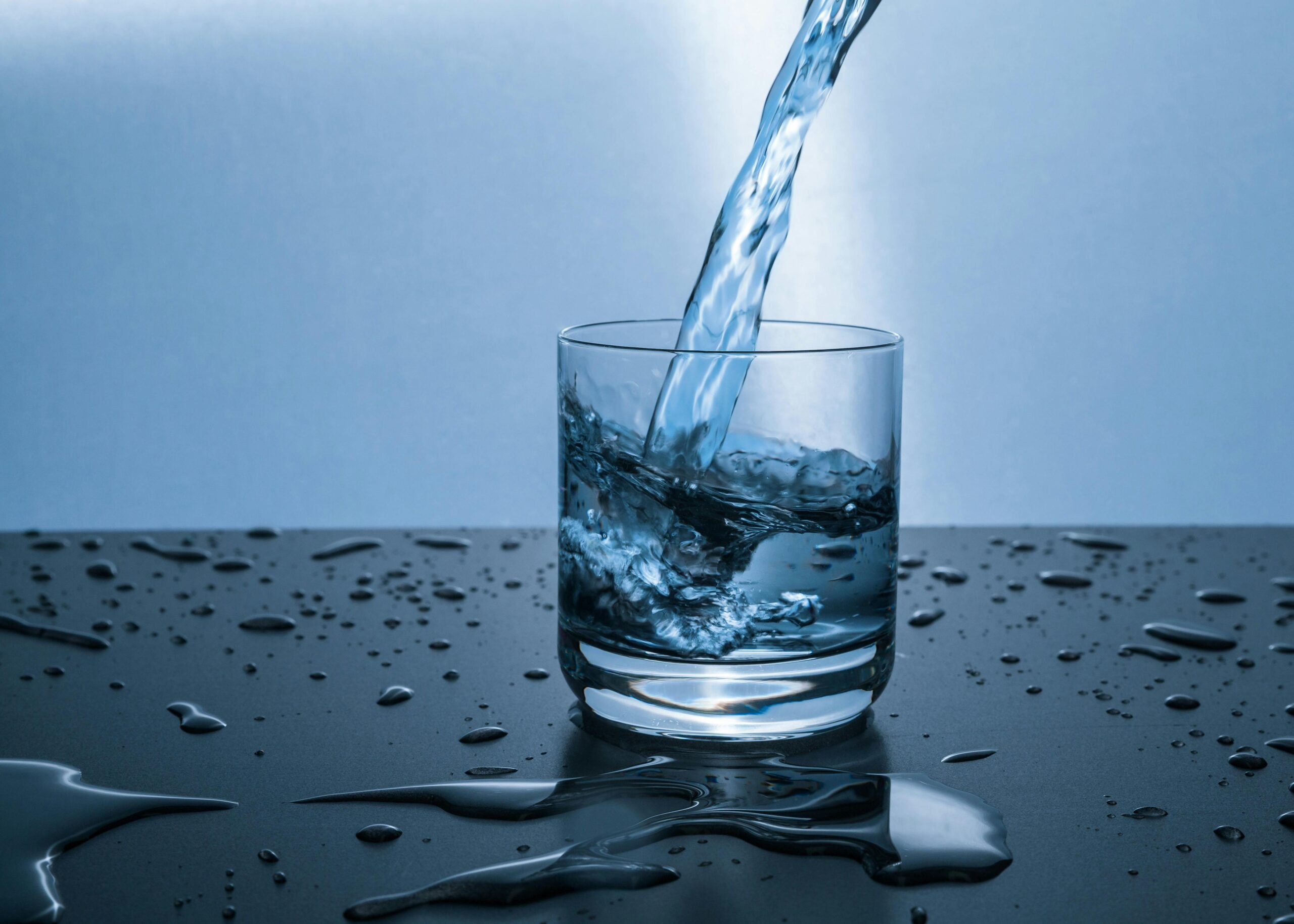
🌟 Feel the Difference: Benefits of Optimal Hydration
When you consistently maintain proper hydration, the benefits extend far beyond simply not feeling thirsty. Your entire body functions more efficiently, and you’ll likely notice improvements across multiple areas of your life.
Many people report increased energy levels and reduced afternoon fatigue when they prioritize hydration. Your brain function improves, leading to better concentration, memory, and mood stability. Physical performance and endurance increase, while recovery time after exercise decreases.
Proper hydration supports healthy skin, giving it a more radiant appearance and improving elasticity. Your digestive system functions more smoothly, reducing constipation and promoting regular elimination. Even weight management becomes easier as you’re less likely to mistake thirst for hunger.
Your immune system benefits from adequate hydration, as water helps transport oxygen to cells and flush toxins from your body. Joint lubrication improves, potentially reducing pain and stiffness. Your body temperature regulation becomes more efficient, helping you feel comfortable in varying conditions.
Perhaps most importantly, when you’re well-hydrated, you simply feel better overall. That general sense of wellbeing, the absence of nagging headaches, and the energy to fully engage with your day—these are the real rewards of making hydration a genuine priority rather than an afterthought.
Start today with just one glass of water. Notice how it makes you feel. Tomorrow, drink another. Before you know it, optimal hydration will become as natural as breathing, and you’ll wonder how you ever functioned any other way. Your body deserves this fundamental form of self-care, and the investment of attention and effort pays dividends every single day.