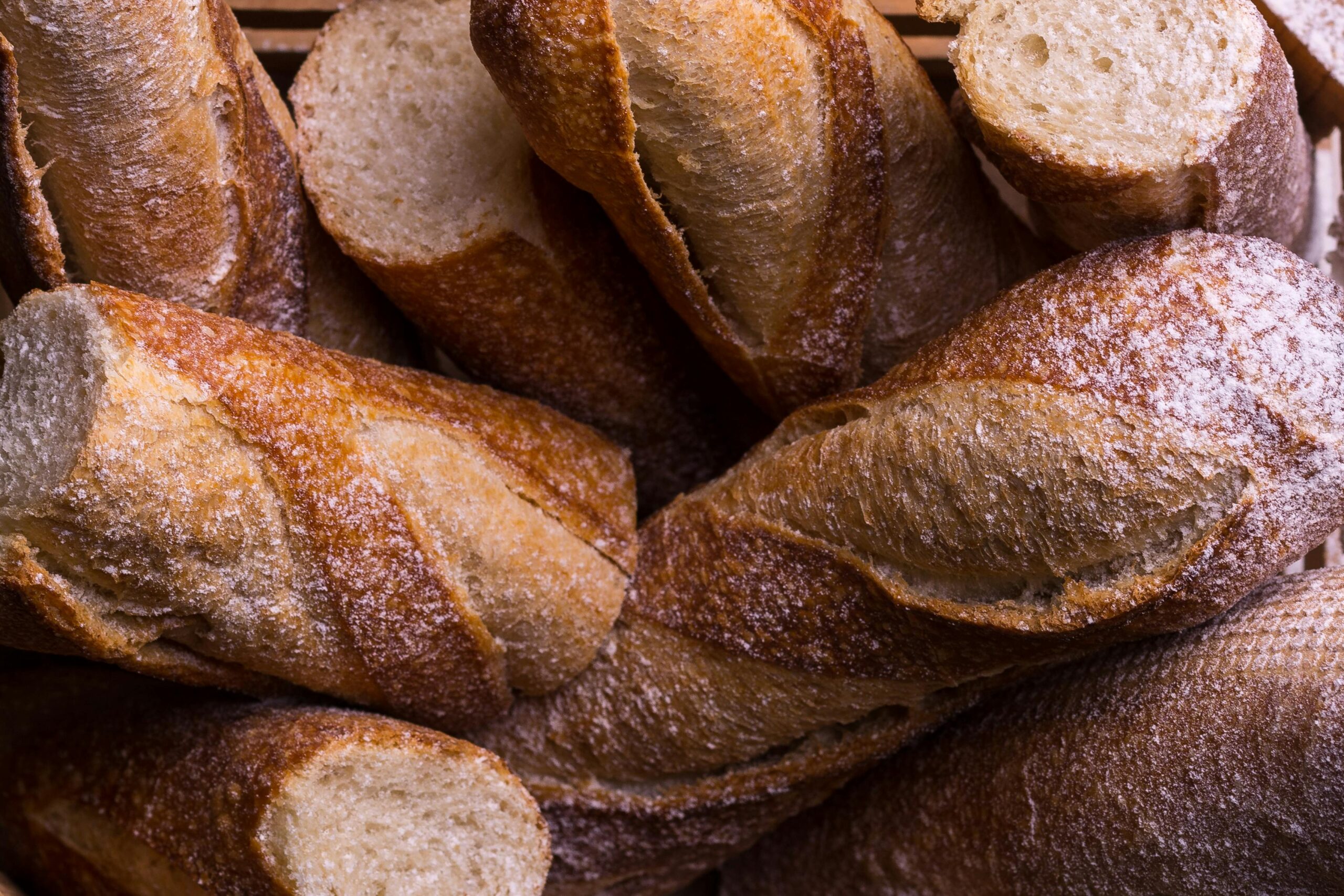
Keeping products fresh and preventing dehydration is a critical challenge for manufacturers across food, pharmaceutical, and cosmetic industries. The right packaging materials can mean the difference between product success and costly failures.

🔬 Understanding Product Dehydration and Its Impact
Dehydration occurs when moisture escapes from a product into the surrounding environment, compromising quality, texture, appearance, and shelf life. This process affects everything from fresh produce to medications, causing significant financial losses and customer dissatisfaction. Understanding the science behind moisture loss is the first step toward selecting appropriate packaging solutions.
The rate of dehydration depends on several factors including temperature, humidity levels, air circulation, and most importantly, the barrier properties of packaging materials. Products with high water content are particularly vulnerable, requiring specialized protection to maintain their integrity throughout the supply chain.
💧 The Science Behind Moisture Barrier Technology
Moisture barrier technology relies on materials that create a physical obstruction to water vapor transmission. The effectiveness of any packaging material is measured by its Water Vapor Transmission Rate (WVTR), which indicates how much moisture can pass through the material over a specific time period.
Lower WVTR values indicate better moisture barrier properties. High-performance packaging materials combine multiple layers with different properties to create comprehensive protection against dehydration while maintaining other essential functions like oxygen barriers, mechanical strength, and printability.
Key Factors Affecting Moisture Protection
Several variables influence how well packaging prevents dehydration. Temperature fluctuations accelerate moisture transfer, making temperature-stable materials essential for products traveling through varying climates. Material thickness plays a crucial role, with thicker barriers generally providing better protection, though this must be balanced against cost and sustainability considerations.
The seal integrity of packaging is equally important as the material itself. Even the best barrier material becomes ineffective if seals are compromised, allowing moisture to escape through gaps or weak points in the package structure.
🎯 Top Packaging Materials for Dehydration Prevention
Selecting the optimal packaging material requires understanding the unique properties of each option and matching them to specific product requirements. Different materials offer varying levels of protection, cost-effectiveness, and environmental impact.
Polyethylene (PE) and Its Variants
Polyethylene remains one of the most widely used packaging materials due to its excellent moisture barrier properties and versatility. Low-density polyethylene (LDPE) offers flexibility and good seal strength, making it ideal for pouches and bags. High-density polyethylene (HDPE) provides superior barrier properties and is commonly used for bottles and rigid containers.
Linear low-density polyethylene (LLDPE) combines the benefits of both, offering enhanced tensile strength and puncture resistance while maintaining excellent moisture protection. These materials are cost-effective and readily available, making them popular choices for commercial applications.
Polypropylene (PP) Solutions
Polypropylene offers better clarity than polyethylene while maintaining strong moisture barrier capabilities. Its higher melting point makes it suitable for products requiring heat sterilization or hot-filling processes. PP is commonly used in food packaging, particularly for products like yogurt, cheese, and prepared meals that need refrigeration.
The material’s resistance to oils and chemicals makes it versatile for various product categories. Oriented polypropylene (OPP) provides enhanced barrier properties through molecular alignment during manufacturing, creating tighter material structure that reduces moisture permeability.
Aluminum Foil Laminates
For maximum protection against dehydration, aluminum foil laminates are unmatched. These multi-layer structures combine aluminum’s complete moisture and oxygen barrier with other materials that provide strength, heat-sealability, and printability. The aluminum layer creates an impermeable barrier that effectively prevents moisture loss even in challenging conditions.
These laminates are extensively used in pharmaceutical packaging, coffee packaging, and premium food products where extended shelf life is critical. While more expensive than polymer-only solutions, the superior protection often justifies the investment for high-value or sensitive products.
Ethylene Vinyl Alcohol (EVOH)
EVOH copolymers provide exceptional barrier properties in multi-layer packaging structures. While primarily known for oxygen barrier capabilities, EVOH also contributes to moisture protection when combined with appropriate outer layers. This material is commonly found in meat packaging, cheese products, and other applications requiring both oxygen and moisture control.
The material’s barrier properties decrease significantly in high-humidity environments, so it’s typically sandwiched between protective polymer layers in laminate structures. This configuration maintains performance while protecting the EVOH core from moisture exposure.
📦 Innovative Multi-Layer Packaging Approaches
Modern packaging increasingly relies on multi-layer structures that combine different materials to achieve optimal performance. These sophisticated designs leverage the strengths of each component while minimizing individual weaknesses, creating packaging solutions superior to any single material.
Coextrusion Technology
Coextrusion allows multiple polymer layers to be combined during the manufacturing process, creating seamless multi-layer films without adhesives. This technology enables precise control over each layer’s thickness and properties, optimizing barrier performance while controlling costs.
Typical coextruded structures might include an outer layer for printing and protection, core layers for barrier properties, and inner layers for seal strength and product contact safety. The number of layers can range from three to nine or more, depending on performance requirements.
Lamination Strategies
Lamination bonds separate films together using adhesives or heat, allowing combinations that aren’t possible through coextrusion. This approach offers flexibility in material selection and can incorporate materials like aluminum foil, paper, or metallized films that cannot be coextruded.
Advanced adhesives ensure strong bonds between layers while maintaining barrier integrity. Solvent-free and water-based adhesive systems address environmental concerns while maintaining high performance standards required for dehydration prevention.
🌿 Sustainable Options for Moisture Protection
Environmental concerns drive innovation in sustainable packaging materials that maintain moisture barrier properties while reducing environmental impact. These solutions address growing consumer demand for eco-friendly options without compromising product protection.
Bio-based Polymers
Materials derived from renewable resources like corn starch, sugarcane, and cellulose offer alternatives to petroleum-based plastics. Polylactic acid (PLA) provides moderate moisture barrier properties suitable for many applications, though it typically requires coating or combining with other materials for high-performance requirements.
Bio-based polyethylene, chemically identical to conventional PE but derived from sugarcane, offers the same barrier properties with a reduced carbon footprint. This drop-in replacement allows manufacturers to improve sustainability without reformulating packaging systems.
Recyclable Mono-materials
Mono-material packaging structures, made entirely or predominantly from a single polymer type, simplify recycling while maintaining necessary barrier properties. Advanced formulations and processing techniques enhance the performance of these simplified structures, making them viable alternatives to complex multi-material laminates.
Polyethylene-based mono-materials with enhanced barrier properties through additives or special processing techniques are gaining traction in flexible packaging applications. These solutions offer easier end-of-life handling while providing adequate moisture protection for many products.
🔧 Optimizing Package Design for Maximum Protection
Material selection represents only part of the equation. Package design significantly impacts how effectively materials prevent dehydration. Thoughtful design considers product characteristics, distribution environment, and consumer use patterns.
Sizing and Headspace Considerations
Package size should minimize empty space while accommodating product dimensions and allowing efficient filling operations. Excessive headspace increases the total moisture load inside the package, potentially accelerating dehydration. Right-sizing reduces this risk while improving material efficiency and reducing costs.
However, some products require specific headspace for cushioning during transport or to accommodate gas flush processes that replace oxygen with inert gases. Balancing these requirements requires careful analysis of product needs and distribution conditions.
Seal Integrity and Closure Systems
The most effective barrier material fails if seals are inadequate. Heat sealing remains the most common closure method for flexible packaging, requiring precise control of temperature, pressure, and dwell time to create hermetic seals that withstand distribution stresses.
Resealable closures like zippers and sliders add convenience while maintaining protection after initial opening. These features extend product freshness throughout the consumption period, reducing waste and improving consumer satisfaction. Quality reseal systems create moisture barriers comparable to the original package seal.
📊 Testing and Quality Assurance Methods
Validating packaging performance requires rigorous testing protocols that simulate real-world conditions. Comprehensive testing programs identify potential weaknesses before products reach market, preventing costly failures and protecting brand reputation.
Water Vapor Transmission Rate Testing
WVTR testing measures precisely how much moisture permeates packaging materials under controlled conditions. Standard test methods like ASTM F1249 and ISO 15106 provide reproducible results that allow comparison between materials and validation of barrier requirements.
Testing should occur at temperatures and humidity levels representative of actual distribution and storage conditions. Accelerated testing at elevated temperatures and humidity helps predict long-term performance and estimate shelf life under various scenarios.
Package Integrity Testing
Beyond material barrier properties, complete package integrity must be verified. Visual inspection identifies obvious defects, while more sophisticated techniques detect microscopic leaks that compromise performance. Vacuum decay testing, pressure decay testing, and dye penetration methods each offer advantages for different package types and sensitivity requirements.
Non-destructive testing methods allow 100% inspection of production runs, ensuring every package meets specifications. Automated systems integrate into production lines, providing real-time quality assurance without slowing operations.
💼 Industry-Specific Applications and Requirements
Different industries face unique challenges in preventing product dehydration, requiring specialized packaging approaches tailored to specific product characteristics and regulatory requirements.
Food Industry Solutions
Fresh produce, baked goods, cheese, and meat products each have distinct moisture protection needs. Modified atmosphere packaging combines barrier materials with controlled gas compositions to extend shelf life while maintaining quality. Active packaging systems incorporate moisture absorbers or emitters to regulate internal humidity levels.
Regulatory requirements for food contact materials add complexity, requiring careful material selection and compliance documentation. All packaging components must meet FDA regulations or equivalent standards in target markets, with comprehensive testing to verify safety.
Pharmaceutical and Nutraceutical Packaging
Medications and supplements are often highly sensitive to moisture, requiring exceptional barrier properties to maintain stability and efficacy. Blister packaging with aluminum foil lidding provides individual dose protection, while bottle packaging incorporates desiccants and induction seals for bulk products.
Pharmaceutical packaging faces stringent regulatory oversight, with detailed stability testing requirements demonstrating product protection throughout claimed shelf life. Packaging validation becomes part of the drug approval process, making material selection and testing critical early in product development.
Cosmetic and Personal Care Applications
Creams, lotions, and other personal care products lose quality when dehydration occurs, affecting texture, appearance, and performance. Packaging must protect products while providing attractive presentation and user-friendly dispensing. Tubes, pumps, and jars require careful material selection and design to balance protection with functionality.
Many cosmetic formulations contain volatile ingredients beyond water, requiring packaging that provides comprehensive barrier properties against multiple components. Testing protocols must address all relevant factors to ensure product stability.
🚀 Emerging Technologies and Future Trends
Innovation continues advancing packaging capabilities, with new materials and technologies promising enhanced performance, improved sustainability, and better cost-effectiveness. Staying informed about emerging trends helps manufacturers maintain competitive advantages.
Nanotechnology Applications
Nanoscale materials incorporated into polymer matrices create tortuous paths for moisture molecules, significantly improving barrier properties without substantially increasing material thickness. Nanocomposites using clay, silica, or other nanoparticles enhance traditional polymers, creating high-performance materials from sustainable or recyclable base polymers.
These technologies are moving from research into commercial applications, though regulatory approval and cost considerations still limit widespread adoption. As production scales increase and regulatory frameworks develop, nanoenhanced packaging will become more accessible.
Smart and Active Packaging Systems
Intelligent packaging incorporates sensors that monitor moisture levels, alerting distributors and consumers to potential problems before quality deteriorates. Time-temperature indicators and moisture indicators provide visible confirmation of proper storage conditions throughout the supply chain.
Active packaging systems interact with products to regulate moisture, releasing or absorbing water vapor to maintain optimal internal conditions. These sophisticated solutions particularly benefit fresh produce and baked goods, where precise moisture control extends shelf life significantly.
✅ Implementing Your Moisture Protection Strategy
Successfully preventing product dehydration requires comprehensive strategy development, from initial material selection through ongoing quality monitoring. A systematic approach ensures optimal results while managing costs and meeting sustainability goals.
Begin by thoroughly characterizing your product’s moisture sensitivity and shelf life requirements. Determine acceptable moisture loss limits and translate these into packaging performance specifications. Work with packaging suppliers and testing laboratories to identify materials and structures meeting these requirements.
Prototype testing under realistic conditions validates packaging performance before full-scale production. Accelerated aging studies predict long-term behavior, while distribution testing ensures packages withstand actual supply chain stresses. Iterative refinement optimizes designs, balancing performance against cost and sustainability considerations.
Establish quality control procedures ensuring consistent performance throughout production. Regular testing verifies material specifications and seal quality, while periodic shelf life monitoring confirms packaging continues meeting product protection requirements as formulations, materials, or production processes evolve.
Training staff on proper handling, storage, and sealing procedures maximizes packaging effectiveness. Even the best materials and designs fail if incorrectly implemented. Clear protocols and regular training ensure everyone understands their role in maintaining product quality.
The investment in proper packaging materials and processes delivers substantial returns through reduced waste, extended shelf life, improved customer satisfaction, and stronger brand reputation. Product freshness directly impacts consumer perception and repeat purchases, making dehydration prevention a critical business priority across industries.