Surface glazing is a transformative technique that locks moisture into baked goods, pottery, and culinary creations, elevating both appearance and texture to professional standards.

🎨 Understanding the Science Behind Surface Glazing
Surface glazing represents one of the most effective methods for controlling moisture retention in various creative disciplines. Whether you’re a baker perfecting pastries, a ceramist finishing pottery, or a chef completing a culinary masterpiece, understanding how glazes work at a molecular level changes everything about your approach.
The fundamental principle behind surface glazing involves creating a semi-permeable or impermeable barrier that regulates moisture exchange between your creation and the surrounding environment. This barrier doesn’t just sit on top of your work—it interacts with the surface at a chemical level, forming bonds that determine how effectively moisture is retained over time.
When applied correctly, a glaze creates a protective layer that slows down moisture evaporation while still allowing certain desirable chemical reactions to continue. This delicate balance separates amateur results from professional-quality finishes that maintain their integrity for extended periods.
The Historical Journey of Glazing Techniques
Glazing methods have evolved dramatically throughout human history, beginning with ancient pottery traditions that discovered how certain mineral compounds could create glassy surfaces when fired at high temperatures. These early artisans unknowingly mastered moisture retention principles that modern science now fully explains.
In culinary traditions, glazing techniques emerged independently across cultures. French patissiers developed mirror glazes that kept cakes moist while providing stunning visual appeal. Asian culinary traditions perfected savory glazes that preserved meats and vegetables while enhancing flavor profiles. Each tradition contributed unique insights into moisture management through surface treatment.
Today’s glazing techniques benefit from centuries of empirical knowledge combined with modern food science and materials engineering. We understand precisely why certain ingredients work together, how temperature affects glaze formation, and what chemical reactions produce the most stable moisture barriers.
Essential Ingredients for Moisture-Retaining Glazes
The composition of your glaze directly determines its moisture-retention capabilities. Different applications require different formulations, but certain ingredients appear consistently across successful glazing recipes for their proven effectiveness.
Sugar-Based Glazing Components
Sugars form the foundation of many culinary glazes because of their hygroscopic properties—their natural tendency to attract and hold water molecules. Simple syrups, honey, corn syrup, and glucose each offer distinct advantages depending on your specific needs.
Simple syrup provides a neutral sweetness and clear finish, making it ideal for fruit glazes and pastries where you want the natural colors to shine through. The ratio of sugar to water determines viscosity and moisture-retention strength, with higher concentrations creating more durable barriers.
Honey contains additional enzymes and compounds that provide antimicrobial benefits alongside moisture retention. This makes honey-based glazes particularly valuable for baked goods that need extended shelf life without refrigeration.
Corn syrup and glucose prevent crystallization, which is crucial for maintaining smooth, glossy surfaces that don’t develop grainy textures over time. These ingredients also provide superior adhesion to surfaces, ensuring your glaze doesn’t separate or slide off.
Protein and Fat Components
Eggs, dairy products, and various fats contribute to glaze structure in ways that purely sugar-based formulations cannot achieve. Egg washes create semi-permeable membranes that regulate moisture exchange while promoting attractive browning during baking.
Butter and cream add richness while forming lipid barriers that resist moisture loss. These fat-based components work synergistically with sugars, creating composite glazes with superior performance characteristics compared to single-ingredient approaches.
Gelatin deserves special mention as a protein-based glazing agent that forms exceptionally stable moisture barriers. Its ability to transition between liquid and solid states at specific temperatures makes it indispensable for mirror glazes and specialty applications.
🔧 Mastering Application Techniques for Maximum Retention
Even the most perfectly formulated glaze fails without proper application technique. The method you use to apply glaze affects how it bonds with the underlying surface, its final thickness, and ultimately its moisture-retention performance.
Temperature Control During Application
Temperature represents perhaps the most critical variable in glazing success. Both your glaze temperature and substrate temperature must fall within optimal ranges for proper bonding and film formation to occur.
For most culinary applications, glazes should be applied at temperatures between 35-40°C (95-104°F). This range maintains fluidity for smooth application while being warm enough to begin setting immediately upon contact with cooler surfaces.
Your creation’s surface temperature matters equally. Applying warm glaze to frozen or very cold items causes rapid setting that prevents proper spreading and bonding. Conversely, glazing items that are too warm can cause the glaze to become excessively fluid, resulting in runs and uneven coverage.
Application Methods Compared
Different application methods produce distinctly different results in terms of coverage uniformity, thickness control, and final appearance. Selecting the right method for your specific project significantly impacts moisture retention outcomes.
- Brushing: Offers maximum control for detailed work and irregular surfaces, though achieving uniform thickness requires skill and practice
- Pouring: Creates exceptionally smooth, even coatings ideal for mirror glazes and professional finishes on cakes and pastries
- Dipping: Ensures complete coverage with consistent thickness, perfect for cookies, donuts, and small items
- Spraying: Provides the thinnest, most uniform coatings, excellent for delicate applications where minimal moisture addition is desired
Layering Strategies for Enhanced Protection
Multiple thin layers often outperform single thick applications for moisture retention. Each layer bonds with the previous one, creating a composite structure more resistant to cracking and separation than monolithic coatings.
Allow each layer to set partially before applying the next. This typically requires 5-15 minutes depending on ambient conditions and glaze composition. The previous layer should feel dry to gentle touch but remain slightly tacky—this ensures chemical bonding between layers.
Consider alternating glaze compositions for specialized applications. A base layer with high adhesion properties followed by a top layer optimized for moisture retention creates a system where each layer performs its specialized function optimally.
Troubleshooting Common Glazing Failures 🔍
Even experienced practitioners encounter glazing challenges. Understanding why failures occur empowers you to make real-time adjustments that salvage projects and prevent future repetitions of the same mistakes.
Cracking and Crazing
Cracks in your glaze surface compromise moisture retention by creating pathways for water vapor to escape. This failure typically results from differential expansion between the glaze and substrate, often caused by temperature changes or incompatible thermal expansion coefficients.
Prevention involves matching glaze flexibility to substrate properties. More flexible glazes containing higher fat or gelatin content work better on items that expand and contract significantly. Controlling cooling rates also minimizes stress that leads to cracking.
Beading and Poor Adhesion
When glaze forms droplets instead of spreading evenly, surface tension issues prevent proper wetting and bonding. This often indicates contamination on the substrate surface or incompatible chemistry between glaze and surface.
Address beading by ensuring surfaces are completely clean and free from oils or flour dust. Lightly moistening very dry surfaces with water or simple syrup creates a transitional layer that improves glaze adhesion dramatically.
Cloudiness and Loss of Gloss
Cloudy glazes that should be transparent, or glossy finishes that dry matte, indicate moisture contamination or incomplete dissolution of ingredients. These issues affect both appearance and moisture-retention performance.
Most gloss problems trace back to temperature issues during preparation or application. Insufficient heating fails to fully dissolve sugars and gelatin, while condensation from cold surfaces introduces water that disrupts glaze structure. Maintaining consistent temperatures throughout the process prevents these failures.
Advanced Formulations for Specialized Applications
Once you’ve mastered basic glazing principles, advanced formulations open new possibilities for moisture control tailored to specific challenges and creative visions.
Mirror Glazes for Exceptional Moisture Sealing
Mirror glazes represent the pinnacle of moisture-retention technology in pastry arts. These glossy, reflective coatings create nearly impermeable barriers while maintaining flexibility that prevents cracking.
A basic mirror glaze formula combines gelatin, sugar, water, glucose, and condensed milk in precise ratios, often enhanced with white chocolate for improved texture and flavor. The key lies in achieving the exact temperature—typically 30-35°C—where the glaze is fluid enough to pour smoothly yet viscous enough to form a uniform coating.
The science behind mirror glazes involves creating a stable emulsion where fat particles from chocolate are suspended in a sugar-gelatin matrix. This structure reflects light uniformly while forming a flexible, moisture-resistant membrane.
Natural Preservative-Enhanced Glazes
Incorporating natural preservatives into glaze formulations extends shelf life while maintaining moisture balance. Honey provides antimicrobial properties, while citric acid creates an environment hostile to microbial growth without affecting moisture retention.
Essential oils like cinnamon, clove, and orange possess both preservative qualities and flavor-enhancing properties. Used judiciously, these additions create glazes that protect against spoilage while contributing to the overall sensory experience.
Measuring and Optimizing Moisture Retention Performance 📊
Professional-level glazing requires objective assessment of how effectively your techniques retain moisture. Several methods allow you to quantify performance and make data-driven improvements to your processes.
Weight Monitoring Over Time
The simplest moisture retention assessment involves weighing glazed items daily and tracking weight loss over time. Create control samples without glaze for comparison, measuring both under identical storage conditions.
Calculate moisture retention as a percentage: items losing only 2-3% of weight over several days demonstrate excellent glaze performance, while losses exceeding 5% indicate room for improvement. This data guides formulation adjustments and technique refinements.
Texture and Flexibility Testing
Moisture content directly affects texture—properly retained moisture keeps items tender and flexible. Perform simple bend tests on cookies or press tests on cakes to assess how moisture levels affect structural integrity over time.
Document your observations systematically, noting how glazing techniques affect texture at 24-hour intervals. Patterns emerge that reveal which methods provide the most stable long-term moisture balance for different creation types.
Environmental Factors Affecting Glaze Performance 🌡️
Your glazing success depends significantly on environmental conditions during application, setting, and storage. Understanding these influences allows you to compensate and maintain consistent results regardless of external factors.
Humidity’s Impact on Glazing
High humidity environments slow glaze setting and can introduce excess moisture that compromises structural integrity. In very humid conditions, reduce water content in glaze formulations and extend setting times before packaging or storing items.
Conversely, low humidity accelerates setting—sometimes too quickly, causing surface drying before deeper layers set properly. This creates stress within the glaze that eventually manifests as cracks. In dry environments, work quickly and consider adding small amounts of glycerin to slow surface drying.
Temperature Fluctuations During Storage
Temperature changes cause expansion and contraction in both glazes and substrates. Repeated cycles create cumulative stress that eventually overcomes even the most flexible glaze formulations.
Stable storage temperatures preserve glaze integrity far better than refrigeration with frequent removal to room temperature. If temperature changes are unavoidable, formulate glazes with higher fat content for improved flexibility.
Customizing Glazes for Different Creative Disciplines
While fundamental glazing principles remain consistent across applications, each creative discipline benefits from specialized approaches that address unique challenges.
Pastry and Baking Applications
Baked goods present particular challenges because they contain complex structures of starches, proteins, and fats that all interact differently with glazes. Bread crusts require different approaches than delicate pastries or rich cakes.
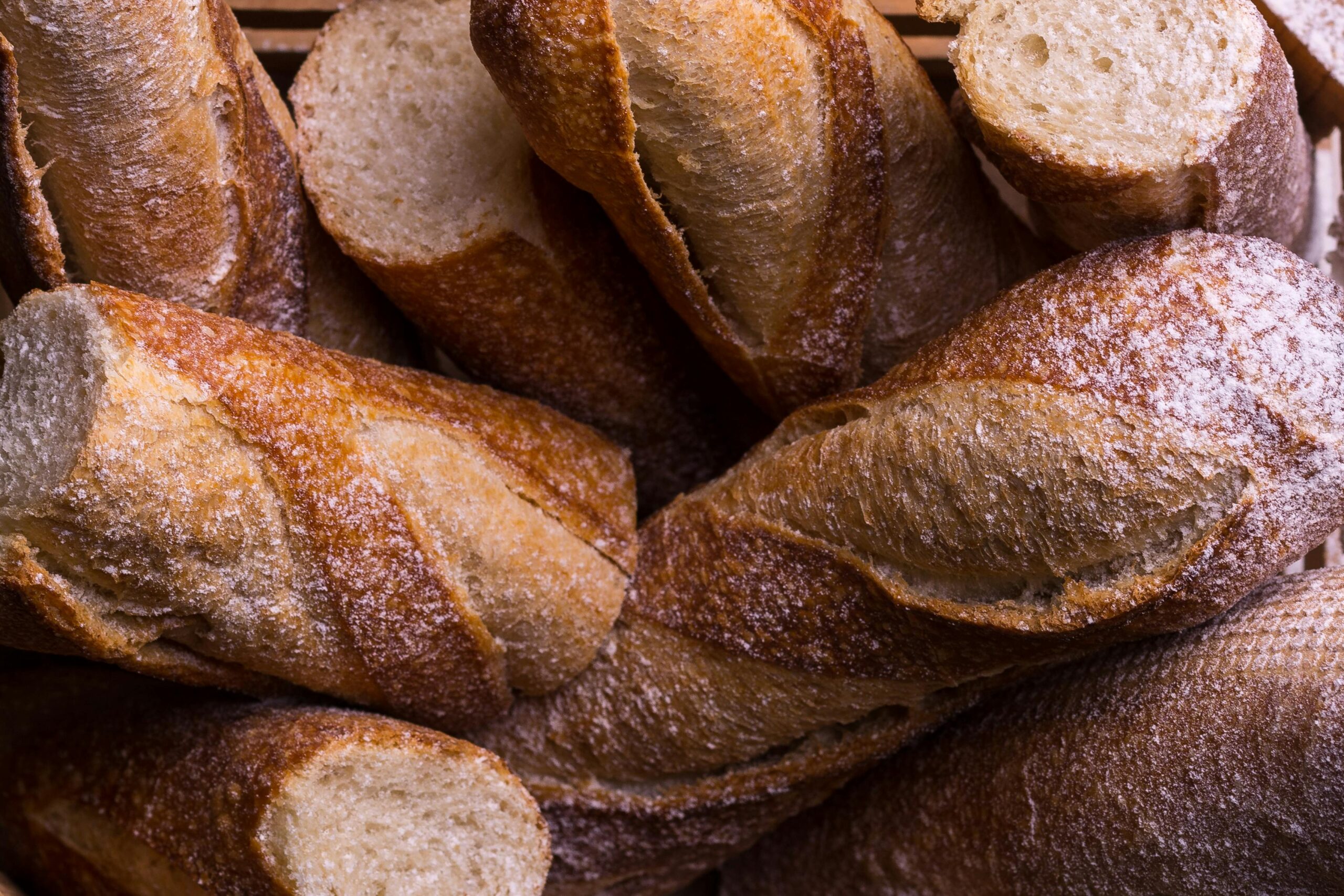
For crusty breads where you want to preserve crispy exteriors while maintaining soft interiors, thin glazes applied immediately after baking work best. The residual heat helps the glaze penetrate slightly, creating a protective layer without softening the crust.
Delicate pastries benefit from neutral glazes that don’t add excessive sweetness while providing moisture barriers. Apricot nappage—a professional pastry glaze—offers excellent moisture retention with subtle flavor that enhances rather than masks the pastry’s characteristics.
Savory Culinary Creations
Savory glazes for meats, vegetables, and other dishes prioritize flavor alongside moisture retention. Reduction glazes made from stocks and wines create concentrated flavor compounds while forming proteins and sugars that seal surfaces.
The Maillard reaction products in properly reduced savory glazes contribute both to complex flavors and to the chemical structure that retains moisture. These glazes work particularly well on roasted and grilled items where surface dehydration is a primary concern.
Sustainable and Health-Conscious Glazing Approaches 🌱
Modern creators increasingly seek glazing methods that align with sustainability values and health considerations without compromising moisture-retention performance.
Reducing Refined Sugar Content
Alternative sweeteners like maple syrup, agave nectar, and date syrup provide moisture-retention properties while offering more complex flavor profiles and lower glycemic impacts than refined sugars.
These natural sweeteners contain additional compounds that contribute to antimicrobial activity and antioxidant properties, potentially extending shelf life beyond what refined sugar glazes achieve. Experimentation with ratios and combinations reveals formulations that meet both performance and health objectives.
Plant-Based Glazing Alternatives
Egg-free and dairy-free glazes accommodate dietary restrictions while maintaining excellent moisture retention. Aquafaba—the liquid from cooked chickpeas—creates surprisingly effective glazes when reduced with sugars, forming protein structures similar to egg-based formulations.
Agar and carrageenan serve as plant-based alternatives to gelatin, offering comparable gelling properties with different texture characteristics. These seaweed-derived ingredients create stable moisture barriers suitable for various applications.

Elevating Your Craft Through Glaze Mastery ✨
Mastering surface glazing transforms ordinary creations into professional-quality works that maintain their intended characteristics far longer than unglazed counterparts. The techniques, formulations, and principles detailed throughout this exploration provide a foundation for continuous improvement and experimentation.
Success with glazing comes from understanding the underlying science while developing the practical skills to execute techniques consistently. Start with basic formulations, master application methods, then gradually incorporate advanced approaches as your confidence grows.
Every creation presents unique glazing challenges based on its composition, intended use, and storage requirements. Rather than seeking single perfect formulas, develop a repertoire of techniques you can adapt to specific situations, making informed decisions based on the principles explored here.
The difference between creations that merely satisfy and those that truly impress often comes down to these finishing details. Properly executed glazing preserves your hard work, ensuring that texture, moisture, and appearance remain as intended from creation through consumption.
Embrace experimentation within these scientific frameworks, documenting your results to build personal knowledge that extends beyond any single guide. Your unique combination of ingredients, techniques, and creative vision will ultimately define your signature approach to moisture retention through surface glazing.