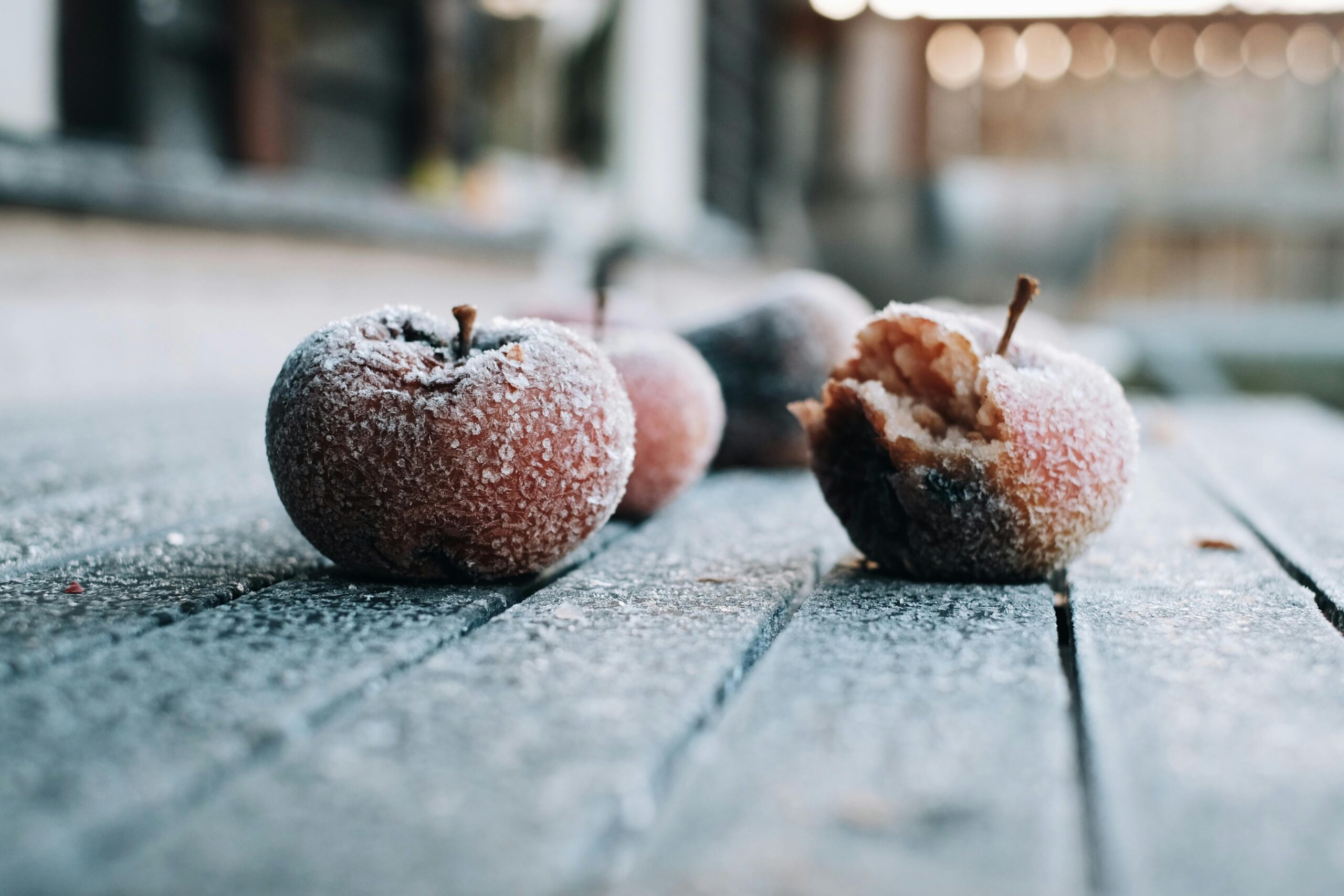
Freezing vegetables is one of the best ways to preserve their nutritional value and taste, but dehydration can ruin your carefully stored produce. Let’s explore how to keep your frozen veggies fresh and vibrant! 🥦

Why Freezer Burn Happens to Your Vegetables
Freezer burn is the nemesis of frozen food preservation. This phenomenon occurs when air comes into contact with your vegetables, causing moisture to evaporate from the food’s surface. The result? Dry, discolored patches that make your once-beautiful broccoli look unappetizing and taste bland.
Understanding the science behind freezer burn helps you prevent it. When vegetables are exposed to cold, dry air inside your freezer, the water molecules within the food migrate to the surface and evaporate—a process called sublimation. This leaves behind dehydrated spots that compromise both texture and flavor.
Temperature fluctuations accelerate this process dramatically. Every time your freezer door opens, warm air enters, causing slight thawing. When temperatures drop again, ice crystals form on your vegetables, pulling moisture away from their cells and creating that dreaded freezer-burned appearance.
The Pre-Freezing Preparation That Makes All the Difference
Proper preparation before freezing is your first line of defense against vegetable dehydration. Fresh, high-quality vegetables freeze better than older produce, so start with the best specimens you can find. Vegetables at their peak ripeness contain optimal moisture levels and will maintain better texture after freezing.
Washing your vegetables thoroughly is essential, but equally important is drying them completely. Excess water on the surface creates larger ice crystals during freezing, which damage cell walls and lead to mushiness when thawed. Use clean kitchen towels or a salad spinner to remove as much moisture as possible.
Blanching: Your Secret Weapon Against Texture Loss
Blanching is a game-changing technique that preserves color, texture, and nutritional value in frozen vegetables. This process involves briefly boiling vegetables and then plunging them into ice water to stop the cooking process. Blanching deactivates enzymes that cause vegetables to deteriorate during storage.
Different vegetables require different blanching times. Green beans need three minutes, while broccoli florets only need two. Leafy greens like spinach require just 30 seconds to one minute. Timing is crucial—underblanching won’t deactivate enzymes effectively, while overblanching cooks your vegetables too much.
After blanching and cooling, drain your vegetables thoroughly and pat them dry. This extra step removes surface moisture that would otherwise form ice crystals and contribute to freezer burn. Consider laying vegetables on clean kitchen towels for 10-15 minutes to ensure they’re completely dry.
Packaging Strategies That Lock in Freshness ❄️
How you package your vegetables determines how well they resist dehydration in the freezer. Air is your enemy here, so your primary goal is creating an airtight seal that prevents moisture loss and protects against freezer burn.
Freezer bags designed specifically for long-term storage are superior to regular plastic bags. They’re thicker and provide better moisture barriers. When using freezer bags, remove as much air as possible before sealing. The water displacement method works brilliantly: submerge the filled bag in water up to the seal line, allowing water pressure to push out air before closing completely.
Vacuum Sealing: The Gold Standard for Frozen Vegetables
Vacuum sealing removes virtually all air from packaging, creating optimal conditions for frozen storage. This method extends freezer life significantly—vacuum-sealed vegetables can maintain quality for 2-3 years compared to 8-12 months with conventional freezer bags.
If you don’t own a vacuum sealer, consider investing in one if you freeze vegetables regularly. The initial investment pays for itself through reduced food waste and better quality frozen produce. Many affordable models are available for home use, making this technology accessible to most households.
When vacuum sealing delicate vegetables like leafy greens or herbs, pre-freeze them on baking sheets first. This prevents crushing during the vacuum sealing process and helps maintain their shape and texture.
Container Choices That Combat Dehydration
Rigid containers offer excellent protection against freezer burn, especially for vegetables you’ll use in soups, stews, or casseroles. Choose containers specifically labeled as freezer-safe, as regular food storage containers may crack at freezing temperatures.
Leave appropriate headspace in containers—about half an inch for most vegetables. This accommodates expansion during freezing without creating excess air space that promotes dehydration. Fill containers completely to minimize air exposure while allowing room for expansion.
Glass containers work wonderfully for freezing, provided they’re tempered for freezer use. They don’t absorb odors or stains, and they’re reusable indefinitely. However, they’re heavier and breakable, so handle them carefully and ensure they’re freezer-rated to prevent cracking.
Double-Wrapping for Extra Protection
For maximum protection against dehydration, consider double-wrapping your vegetables. Place vegetables in a freezer bag, then put that bag inside a second bag or wrap it in aluminum foil. This double barrier significantly reduces air exposure and moisture loss.
This technique is particularly useful for long-term storage beyond six months. While it requires more materials, the improved quality retention makes it worthwhile for vegetables you won’t use immediately.
Flash Freezing: The Professional Technique for Home Use 🌟
Flash freezing prevents vegetables from clumping together and allows you to portion out exactly what you need later. This method involves spreading vegetables in a single layer on baking sheets and freezing them individually before packaging.
Line baking sheets with parchment paper or silicone mats to prevent sticking. Arrange vegetables without touching each other, ensuring cold air circulates freely around each piece. Place sheets in the coldest part of your freezer—usually the back—for 2-4 hours until completely frozen.
Once individually frozen, transfer vegetables quickly to your chosen storage containers or bags. Work fast to prevent thawing, and return packaged vegetables to the freezer immediately. This technique works exceptionally well for berries, peas, corn kernels, and diced vegetables.
Optimal Freezer Temperature and Maintenance
Your freezer temperature directly impacts vegetable quality. Maintain temperatures at 0°F (-18°C) or lower for optimal preservation. Use a freezer thermometer to verify accuracy, as built-in temperature displays can be unreliable.
Organize your freezer strategically to maintain consistent temperatures. Avoid overloading, which restricts airflow and creates warm spots. Leave space between packages initially so cold air circulates during the freezing process. Once frozen solid, you can pack items more tightly.
Regular freezer maintenance prevents dehydration issues. Defrost manual-defrost freezers regularly to maintain efficiency and prevent ice buildup. Clean gaskets and ensure door seals are tight—even small air leaks cause temperature fluctuations that accelerate freezer burn.
The Freezer Rotation System That Prevents Waste
Implement a first-in, first-out rotation system to use vegetables before quality deteriorates. Label all packages with contents and freezing date using permanent markers or freezer-safe labels. Place newer items behind older ones to ensure you use the oldest vegetables first.
Create an inventory list on your freezer door or use a smartphone app to track what you have frozen. This prevents vegetables from getting lost in the back of your freezer for years, becoming unrecognizable and freezer-burned beyond recovery.
Vegetables That Freeze Exceptionally Well
Not all vegetables respond equally to freezing, but many maintain excellent quality when properly prepared and stored. Understanding which vegetables freeze best helps you plan your preservation strategy effectively.
| Vegetable | Blanching Time | Freezer Life | Best Uses After Freezing |
|---|---|---|---|
| Broccoli | 2 minutes | 12 months | Stir-fries, soups, casseroles |
| Green Beans | 3 minutes | 12 months | Side dishes, casseroles |
| Corn Kernels | 4 minutes | 12 months | Soups, side dishes, salads |
| Peas | 1.5 minutes | 12 months | Any cooked preparation |
| Spinach | 1 minute | 10 months | Smoothies, cooked dishes |
| Bell Peppers | No blanching needed | 10 months | Cooked dishes only |
Cruciferous vegetables like cauliflower, Brussels sprouts, and broccoli freeze beautifully after blanching. Their firm texture holds up well to freezing, and they work perfectly in cooked preparations after thawing.
Vegetables That Require Special Handling 🥬
Some vegetables need extra attention to prevent dehydration and maintain quality. Leafy greens, for instance, contain high water content that makes them prone to becoming mushy. Blanch them very briefly and squeeze out excess water before freezing in compact portions.
Tomatoes are best frozen whole or as sauce rather than sliced. Whole tomatoes can be frozen without blanching—their skins slip off easily after brief thawing under running water. This method preserves their moisture and makes them perfect for cooking later.
Onions and peppers don’t require blanching but benefit from being chopped to your preferred size before freezing. Flash freeze them on baking sheets, then transfer to containers. They’ll remain separate and easy to measure for recipes.
Thawing Techniques That Preserve Quality
How you thaw frozen vegetables affects their final texture and moisture content. For most cooked applications, you can add frozen vegetables directly to dishes without thawing. This prevents texture degradation and moisture loss that occurs during the thawing process.
When thawing is necessary, use the refrigerator method. Place frozen vegetables in a bowl in the refrigerator several hours before use. This slow thawing minimizes cell damage and moisture loss, maintaining better texture than rapid thawing methods.
Avoid thawing vegetables at room temperature, which creates ideal conditions for bacterial growth and results in excessive moisture loss. Microwave thawing works in a pinch but can create uneven texture with some parts overcooked while others remain frozen.
Innovative Ways to Use Frozen Vegetables 🍲
Frozen vegetables shine in countless recipes where their slightly softer texture is actually beneficial. Soups and stews are perfect applications—vegetables add flavor and nutrition while simmering to perfection in flavorful broths.
Smoothies transform frozen greens into nutritional powerhouses. Frozen spinach, kale, or cauliflower blend seamlessly into fruit smoothies, adding vitamins and fiber without affecting taste. The frozen state also eliminates the need for ice cubes.
Stir-fries work beautifully with frozen vegetables. The high heat and quick cooking time prevent mushiness. Add frozen vegetables during the last few minutes of cooking, allowing them to heat through while maintaining some texture.
Creative Preservation for Maximum Variety
Mix different vegetables before freezing to create custom blends for specific recipes. Soup mixes, stir-fry combinations, or fajita blends save time during meal preparation. Portion these mixes into single-recipe quantities for ultimate convenience.
Consider freezing vegetables in broth or sauce for even more convenience. Vegetables frozen in liquid are protected from air exposure and dehydration. These preparations become complete meal starters that just need heating and serving.
Common Mistakes That Accelerate Dehydration
Even with good intentions, certain practices undermine your vegetable preservation efforts. Freezing vegetables unwashed and uncut seems like a time-saver, but it’s actually counterproductive. Preparing vegetables before freezing ensures better results and greater convenience later.
Using inappropriate containers is another frequent error. Regular zipper bags aren’t designed for freezer conditions—they’re too thin and allow air penetration. Similarly, containers without proper seals permit moisture escape and freezer burn development.
Refreezing thawed vegetables dramatically reduces quality. Each freeze-thaw cycle damages cell structure further, resulting in mushier texture and significant moisture loss. Plan portions carefully to avoid needing to refreeze vegetables.
Long-Term Storage Success Strategies
For vegetables you plan to store longer than six months, take extra precautions. Use only the highest-quality packaging materials—thick freezer bags, vacuum-sealed pouches, or heavy-duty freezer containers with excellent seals.
Consider investing in a deep freezer if you preserve large quantities of vegetables. These units maintain more consistent temperatures than refrigerator-freezer combinations and don’t experience the frequent temperature fluctuations caused by daily door openings.
Monitor stored vegetables periodically. Check for signs of freezer burn, ice crystal buildup, or packaging damage. Catching problems early lets you use vegetables before quality deteriorates significantly.
Maximizing Nutritional Retention Through Proper Freezing 💪
Frozen vegetables often retain more nutrients than fresh produce stored in your refrigerator for days. The freezing process stops enzymatic activity that degrades vitamins and minerals. Vegetables frozen at peak ripeness lock in optimal nutritional content.
Blanching before freezing preserves vitamin C and other heat-sensitive nutrients better than you might expect. The brief heat exposure deactivates enzymes that would otherwise destroy nutrients during storage. Quick cooling in ice water stops nutrient loss from continued cooking.
Proper storage prevents oxidation that destroys beneficial compounds. Airtight packaging protects vegetables from oxygen exposure, preserving antioxidants, vitamins, and minerals throughout the storage period.

Your Freezer as a Year-Round Garden
Mastering vegetable freezing transforms your relationship with produce. You can capture summer’s bounty and enjoy garden-fresh flavors throughout winter. Buying vegetables at peak season when they’re abundant and affordable makes economic sense while ensuring the best quality.
Building a well-stocked freezer provides peace of mind and meal planning flexibility. You’ll always have vegetables on hand for quick, nutritious meals. This convenience reduces food waste and helps maintain a healthy diet even during busy periods.
The techniques you’ve learned—proper blanching, careful packaging, optimal temperature maintenance, and smart organization—work together to prevent dehydration and freezer burn. These practices ensure your frozen vegetables maintain the color, texture, flavor, and nutritional value that make them worthwhile preserving.
Start small if you’re new to freezing vegetables. Choose one or two varieties, perfect your technique, and gradually expand your freezing repertoire. Soon you’ll have a freezer full of perfectly preserved vegetables ready to enhance any meal you create.
Remember that preventing dehydration in frozen vegetables isn’t complicated—it simply requires attention to detail and consistent application of proven techniques. With these secrets unlocked, you’re equipped to enjoy frozen freshness year-round! 🌈