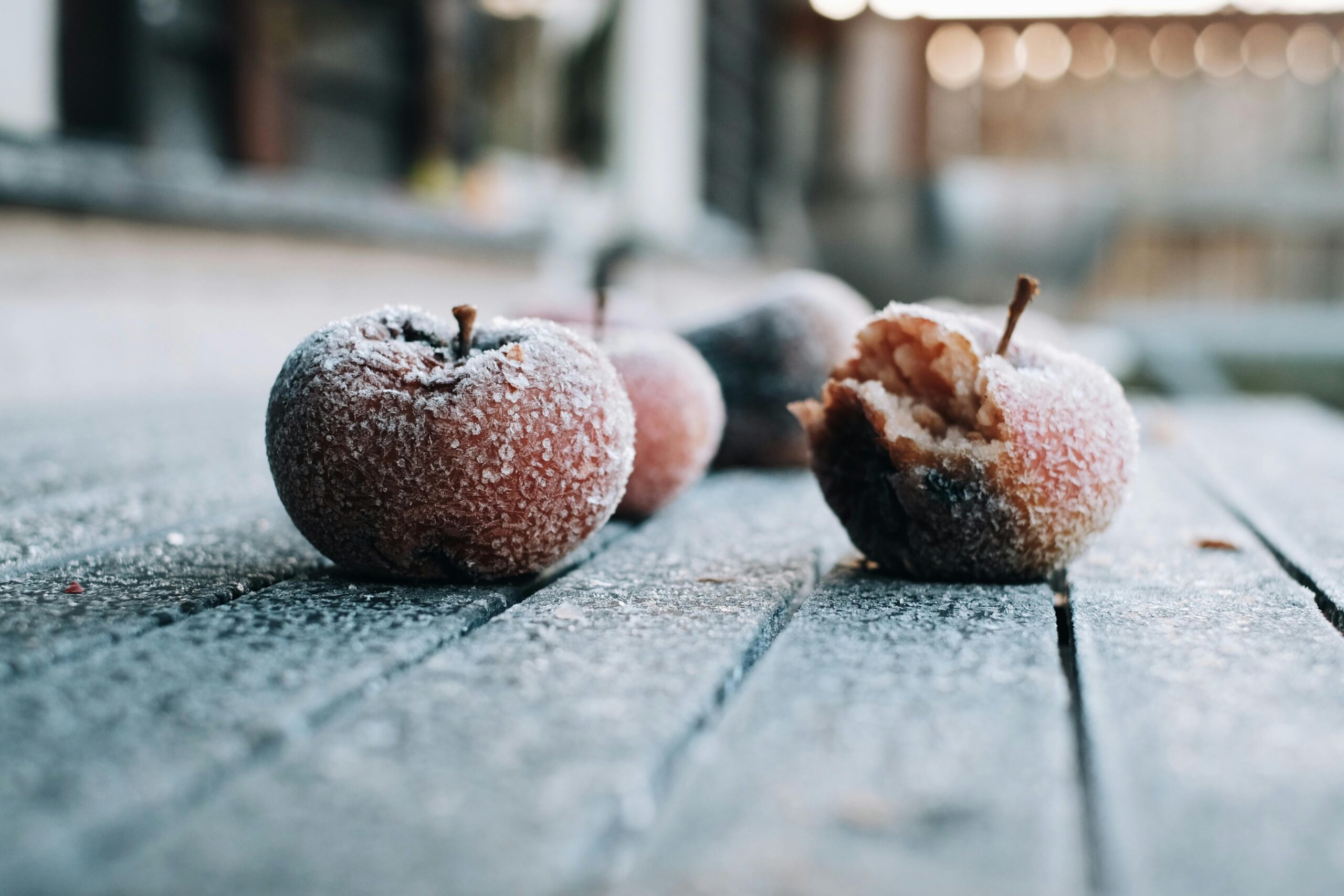
Frozen foods have revolutionized modern convenience, but maintaining texture during freezing remains one of the food industry’s most complex challenges to solve consistently.

🧊 The Science Behind Frozen Texture Preservation
When water freezes inside food products, ice crystals form and expand, potentially rupturing cell walls and destroying the delicate structure that gives foods their appealing texture. The size, distribution, and formation rate of these ice crystals determine whether a frozen product will maintain its original quality or become mushy, grainy, or unpleasantly altered upon thawing.
Cryo-texture perfection refers to the ability of frozen products to retain their original textural characteristics through advanced freezing technologies, ingredient formulations, and processing techniques. This achievement represents years of food science research, technological innovation, and quality control refinement.
The difference between mediocre frozen products and those with exceptional texture lies in understanding the physics of ice crystallization, the role of various stabilizers and emulsifiers, and the precise control of freezing rates and storage conditions. Companies that master these variables create products that consumers can’t distinguish from their fresh counterparts.
Flash Freezing Technology: The Foundation of Texture Excellence
Individual Quick Freezing (IQF) technology has transformed the frozen food landscape by enabling rapid freezing that creates smaller ice crystals. This method exposes products to extremely cold temperatures (-40°F to -140°F) for brief periods, causing water molecules to freeze almost instantaneously before large, damaging crystals can form.
Leading frozen vegetable producers have perfected this technique, particularly with delicate produce like berries, peas, and broccoli florets. The result is products that, when properly cooked, deliver texture nearly identical to fresh alternatives. The blanching process before freezing also plays a critical role, deactivating enzymes that would otherwise degrade quality during storage.
Cryogenic freezing using liquid nitrogen or carbon dioxide takes this concept even further, achieving freezing rates up to ten times faster than conventional methods. This ultra-rapid process is particularly valuable for high-moisture products and premium applications where texture preservation justifies the higher processing costs.
Case Study: Premium Frozen Berries That Maintain Berry Integrity
A leading organic frozen fruit company implemented IQF technology combined with optimal harvest timing to create strawberries, blueberries, and raspberries that retain their structural integrity remarkably well. Their process includes:
- Harvesting at peak ripeness when natural pectin levels are optimal
- Washing and sorting within two hours of picking
- IQF processing at -40°F within four hours of harvest
- Packaging in moisture-barrier materials to prevent freezer burn
- Maintaining consistent -10°F storage throughout distribution
Consumer testing revealed that these frozen berries maintained 92% of their original texture compared to fresh berries tested within 24 hours of harvest. When used in smoothies, baking, or thawed for direct consumption, the texture remained firm rather than mushy, with minimal cellular breakdown and juice loss.
Ice Cream Innovation: Solving the Texture Trifecta Challenge
Ice cream presents a unique texture challenge requiring balance among three competing factors: creaminess, scoopability, and resistance to ice crystal growth during storage. Premium ice cream manufacturers have developed sophisticated approaches to achieve what industry insiders call “cryo-texture perfection” in frozen desserts.
The secret lies in controlling the size and distribution of ice crystals, air bubbles, and fat globules. Smaller ice crystals (below 50 microns) create the smooth, creamy sensation consumers associate with premium products, while larger crystals produce graininess and icy texture.
Modern ice cream production employs continuous freezers that incorporate air while simultaneously freezing the mixture, creating an emulsion with millions of tiny air cells surrounded by partially frozen water and fat. The draw temperature (typically -5°F to -7°F) and subsequent hardening process determine final texture characteristics.
Artisan Ice Cream Brands Redefining Frozen Dessert Standards
Several craft ice cream producers have achieved cult followings by mastering texture through ingredient selection and processing refinement. One notable example uses a combination of techniques that includes:
- Higher butterfat content (16-18%) providing richness and smoother mouthfeel
- Reduced overrun (30-40% vs. 100%+ in economy brands) creating denser, creamier texture
- Natural stabilizers like egg yolks and guar gum preventing ice crystal growth
- Slower churning processes allowing better control over crystal formation
- Flash-hardening immediately after drawing to lock in optimal texture
The result is ice cream that scoops beautifully straight from the freezer, melts slowly and evenly on the tongue, and maintains texture consistency throughout its shelf life without developing the dreaded icy or gritty characteristics that plague lesser products.
🍕 Frozen Pizza: Achieving Restaurant-Quality Crust Texture
The frozen pizza category has undergone dramatic quality improvements, with premium brands now delivering crispy, chewy crusts that rival pizzeria offerings. The challenge involves maintaining dough structure through freezing, storage, and reheating without compromising texture.
Traditional pizza dough contains gluten networks that provide structure and chewiness. Freezing can damage these networks if ice crystals form within the dough matrix, leading to dense, tough, or crumbly results. Advanced formulations now incorporate dough conditioners, modified starches, and specialized fermentation processes to protect gluten structure during freezing.
Par-baking has become the industry standard for premium frozen pizzas. By partially baking the crust before adding toppings and freezing, manufacturers set the gluten structure and reduce moisture content, both of which improve post-baking texture. The timing and temperature of par-baking require precise calibration for optimal results.
Premium Frozen Pizza Innovation: A Texture Success Story
One artisan frozen pizza brand transformed the category by implementing a multi-stage process that maintains exceptional crust texture:
- Cold fermentation of dough for 48 hours developing complex flavor and gluten strength
- Hand-stretching dough to create air pockets that enhance texture
- Precise par-baking at 475°F for exactly 4 minutes and 20 seconds
- Rapid cooling before topping application to prevent sogginess
- IQF tunnel freezing within 30 minutes of final assembly
- Modified atmosphere packaging to prevent moisture migration
Consumer blind taste tests showed that 78% of participants could not distinguish between this frozen pizza and fresh pizzeria pizza when evaluating crust texture specifically. The combination of fermentation, par-baking precision, and rapid freezing preserved the characteristic crispy exterior and chewy interior that defines quality pizza.
Seafood Excellence: Maintaining Ocean-Fresh Texture in Frozen Products
Seafood represents perhaps the most demanding application for texture preservation, as fish and shellfish contain high moisture levels and delicate protein structures that easily degrade. The difference between excellent frozen seafood and poor quality often comes down to handling time, freezing method, and glaze application.
The best frozen seafood operations freeze products within hours of harvest, often directly on fishing vessels equipped with blast freezers. This “frozen-at-sea” approach minimizes the time between catch and preservation, preventing enzymatic breakdown and bacterial growth that compromise texture.
Glazing—applying a thin ice coating to frozen seafood—provides essential protection against dehydration and oxidation during storage. The glaze percentage, application method, and maintenance throughout the cold chain all impact final texture quality. Premium products typically maintain glaze integrity better through superior packaging and handling protocols.
Wild-Caught Salmon: From Ocean to Plate with Texture Intact
A sustainable seafood company specializing in Alaskan salmon has achieved remarkable texture preservation through vertically integrated operations:
| Process Stage | Timing | Texture Impact |
|---|---|---|
| Catch to processing | Under 4 hours | Prevents enzymatic softening |
| Filleting and portioning | Within 6 hours | Maintains firmness and moisture |
| Blast freezing | -40°F for 2 hours | Creates minimal ice crystal damage |
| Glaze application | 8-10% weight | Protects against freezer burn |
| Storage temperature | Consistent -10°F | Prevents temperature fluctuation damage |
When properly thawed and cooked, this salmon exhibits firm, flaky texture with clean separation along natural muscle lines—characteristics identical to premium fresh salmon. The protein maintains its moisture-holding capacity, resulting in juicy, tender results rather than the dry, stringy texture associated with poorly frozen seafood.
🥟 Frozen Dumplings and Pasta: Conquering the Starch Challenge
Starch-based products present unique freezing challenges because starches undergo retrogradation—a crystallization process that occurs during freezing and storage, leading to hardness, graininess, and undesirable texture changes. Asian frozen foods and pasta products have driven innovation in this area through ingredient modification and processing adaptations.
Modified starches that resist retrogradation have become essential ingredients in premium frozen dumplings, pasta, and similar products. These starches maintain their original amorphous structure better during freezing, preventing the hardening and separation that plague products made with native starches.
The moisture content of dough wrappers and pasta significantly impacts freezing success. Too much moisture leads to ice crystal damage, while too little produces brittleness. Manufacturers have identified narrow moisture ranges (typically 32-36% for dumpling wrappers) that optimize texture preservation.
Handcrafted Frozen Dumplings: Texture Perfection in Every Bite
An artisan dumpling manufacturer has built a reputation for frozen products with texture indistinguishable from fresh handmade dumplings through meticulous attention to every production detail:
Their wrapper formulation includes modified wheat starch and vital wheat gluten in precisely calibrated ratios that maintain pliability during freezing. The dough rests for exactly 30 minutes after mixing, allowing gluten relaxation and optimal hydration distribution.
Filling moisture content is controlled through pre-cooking methods that drive off excess water while retaining juiciness. The vegetables undergo blanching and draining protocols that remove surface moisture without compromising internal texture. Meat components are ground to specific particle sizes that maintain structure during freezing and reheating.
IQF freezing occurs within 15 minutes of dumpling assembly, before significant moisture migration can occur between filling and wrapper. This rapid timeline preserves the distinct textures of wrapper and filling rather than allowing them to blur together.
Post-cooking testing shows these frozen dumplings maintain wrapper chewiness and filling juiciness that matches fresh-made dumplings, with 89% of trained sensory panelists unable to distinguish between frozen and fresh in blind comparisons.
Vegetables with Structural Integrity: Beyond the Mushy Stereotype
Frozen vegetables have historically suffered reputation challenges due to texture degradation, but modern processing has largely resolved these issues for companies committed to quality. The key lies in understanding how different vegetables respond to freezing and tailoring processes accordingly.
Blanching temperature and duration represent critical control points. Under-blanching leaves enzymes active that degrade texture during storage, while over-blanching causes excessive cell damage and mushiness. Premium producers have developed vegetable-specific protocols that optimize blanching for each product.
Calcium chloride treatment has emerged as an effective texture preservation tool for certain vegetables. This food-grade additive strengthens cell walls by cross-linking pectin molecules, helping vegetables maintain firmness through freezing and cooking. Brussels sprouts, green beans, and cauliflower particularly benefit from this treatment.
Farm-to-Freezer Green Beans: Crisp Texture Preserved
A vertically integrated frozen vegetable producer has achieved exceptional green bean texture through end-to-end process optimization:
- Proprietary seed varieties bred specifically for freezing performance
- Harvest timing based on fiber content testing, not just size
- Field-to-processing time under 6 hours to minimize respiration losses
- Precision blanching at 195°F for exactly 2 minutes and 10 seconds
- Ice-water shocking immediately post-blanching to halt cooking
- Calcium chloride dip (0.5% solution for 30 seconds) before freezing
- IQF processing with monitoring to prevent over-freezing
These green beans cook from frozen in 4-5 minutes and deliver snappy, crisp-tender texture that rivals fresh beans prepared by skilled cooks. The combination of variety selection, harvest timing, and processing precision creates a product that has converted many consumers who previously avoided frozen vegetables.
🍰 Bakery Innovation: Delicate Textures Frozen Without Compromise
Frozen bakery products—particularly items like croissants, cream-filled pastries, and layered cakes—require extraordinary attention to detail because their appeal depends entirely on delicate texture characteristics. Ice crystal formation can destroy laminated dough layers, collapse aerated structures, and create sogginess in filled products.
Shock freezing has become essential for premium frozen bakery goods. By subjecting products to extreme cold (-40°F or lower) immediately after baking and cooling, manufacturers freeze moisture so rapidly that destructive ice crystals cannot form. The entire product reaches frozen state within minutes rather than hours.
Moisture barriers within complex bakery products prevent texture degradation during storage. Premium frozen cakes, for example, often incorporate thin layers of chocolate or fat-based coatings between cake layers and fillings, preventing moisture migration that would make cake soggy or filling weepy.
Croissants That Deliver Parisian Flakiness from Your Freezer
A European-style bakery has mastered frozen croissant production through obsessive attention to lamination and freezing protocols:
Their croissant dough undergoes traditional lamination creating 27 distinct butter layers between dough sheets. The dough temperature is monitored constantly during lamination to ensure butter remains plastic without melting—a narrow temperature window of 57-60°F.
After shaping, croissants receive a 90-minute proof at controlled humidity before baking. This proof time is shorter than for fresh croissants, as the dough will continue developing slightly during thawing. Under-proofing slightly prevents over-expansion after freezing.
Post-baking, croissants cool on racks for exactly 45 minutes before entering the shock freezer. This cooling period allows steam to escape and the structure to set without moisture condensing inside the packaging.
The shock freezing process takes just 12 minutes, preserving the delicate laminated structure. When reheated, these croissants exhibit remarkable flakiness with distinct layer separation and buttery, tender interior texture that rivals—and in some cases exceeds—the day-old croissants from traditional bakeries.
The Cold Chain: Protecting Texture Beyond the Production Facility
Even perfectly frozen products with exceptional initial texture can deteriorate rapidly if the cold chain breaks down during distribution and storage. Temperature fluctuations cause partial thawing and refreezing, which creates large ice crystals that destroy texture regardless of how carefully products were initially processed.
Premium frozen food companies invest heavily in cold chain management, including refrigerated trucking with continuous temperature monitoring, retail freezer standards, and consumer education about home storage. Some brands include temperature indicators on packaging that reveal if products have experienced damaging temperature abuse.
The target storage temperature of -10°F to 0°F represents a compromise between texture preservation (colder is better) and energy costs. Products stored consistently at -20°F maintain texture quality significantly longer than those at 0°F, but few retail operations maintain such cold temperatures.
✨ Formulation Science: Ingredients That Protect Texture During Freezing
Beyond processing technology, ingredient selection and formulation play crucial roles in texture preservation. Food scientists have identified numerous compounds that protect cellular structures, prevent ice crystal growth, and maintain desired texture characteristics through freezing cycles.
Hydrocolloids like xanthan gum, guar gum, and carrageenan help control water mobility within frozen products, limiting ice crystal size and preventing moisture migration. These ingredients form gel networks that trap water molecules, reducing the amount of free water available to form destructive ice crystals.
Cryoprotectants like trehalose, sorbitol, and glycerol work by disrupting ice crystal formation patterns. These molecules interact with water in ways that favor smaller crystal formation and inhibit crystal growth during storage. They’re particularly valuable in frozen desserts, sauces, and seafood products.
Protein modifications through transglutaminase enzyme treatment create stronger protein networks that better withstand freezing stress. This technique has found applications in frozen meat products, seafood items, and dairy-based foods where maintaining protein structure is essential for texture.
Consumer Expectations and the Premium Frozen Food Revolution
The frozen food category has undergone dramatic repositioning as quality-conscious consumers have discovered that premium frozen products can match or exceed fresh alternatives in many applications. This shift has driven investment in texture-preserving technologies and encouraged innovation throughout the industry.
Transparency has become increasingly important, with leading brands highlighting their freezing methods, ingredient quality, and quality control measures on packaging and websites. Consumers willing to pay premium prices for superior texture demand information about what makes products worth the investment.
The “frozen stigma” continues fading as food media, chefs, and nutritionists recognize that properly frozen foods can deliver exceptional quality while reducing food waste, improving convenience, and sometimes offering better nutritional profiles than “fresh” products that spend days in distribution.
🔬 Future Directions in Cryo-Texture Technology
Emerging technologies promise even greater texture preservation capabilities. High-pressure freezing, which applies extreme pressure during freezing to minimize ice crystal size, has shown remarkable results in laboratory settings and is beginning to reach commercial applications for ultra-premium products.
Ultrasound-assisted freezing uses sound waves to promote uniform ice crystal nucleation throughout products, creating consistently small crystals rather than the size variation that occurs with conventional freezing. This technology particularly benefits products with irregular shapes or varying thickness.
Magnetic field freezing represents an innovative approach that uses electromagnetic fields to align water molecules during freezing, theoretically reducing ice crystal size and improving texture preservation. While still primarily experimental, early results suggest significant potential for delicate products.
Artificial intelligence and machine learning are being applied to freezing process optimization, analyzing thousands of variables to identify ideal parameters for each product type. These systems continuously refine freezing protocols based on quality testing feedback, pushing texture preservation to new levels.
Bringing Restaurant Quality Home Through Frozen Innovation
The convergence of advanced freezing technology, ingredient science, and supply chain management has created a golden age for frozen food quality. Products that once seemed impossible to freeze successfully—from delicate pastries to premium seafood—now deliver texture experiences that rival fresh preparations.
For consumers, this revolution means access to high-quality foods regardless of season, location, or time constraints. The convenience of frozen products no longer requires compromising on texture or overall eating experience. For the food industry, it represents opportunities to reach broader markets, reduce waste, and deliver consistent quality.
The case studies presented here demonstrate that cryo-texture perfection isn’t accidental—it results from understanding freezing science, investing in appropriate technology, and maintaining uncompromising quality standards throughout production and distribution. As freezing technologies continue advancing and consumer expectations rise, the frozen food category will likely see continued innovation and quality improvements.
Whether you’re selecting frozen berries for your morning smoothie, premium ice cream for dessert, or artisan dumplings for dinner, understanding what creates exceptional frozen texture helps you identify products worth the investment. The brands that have mastered cryo-texture perfection have fundamentally changed what’s possible in frozen foods, proving that frozen doesn’t mean compromised—it means preserved at peak quality.