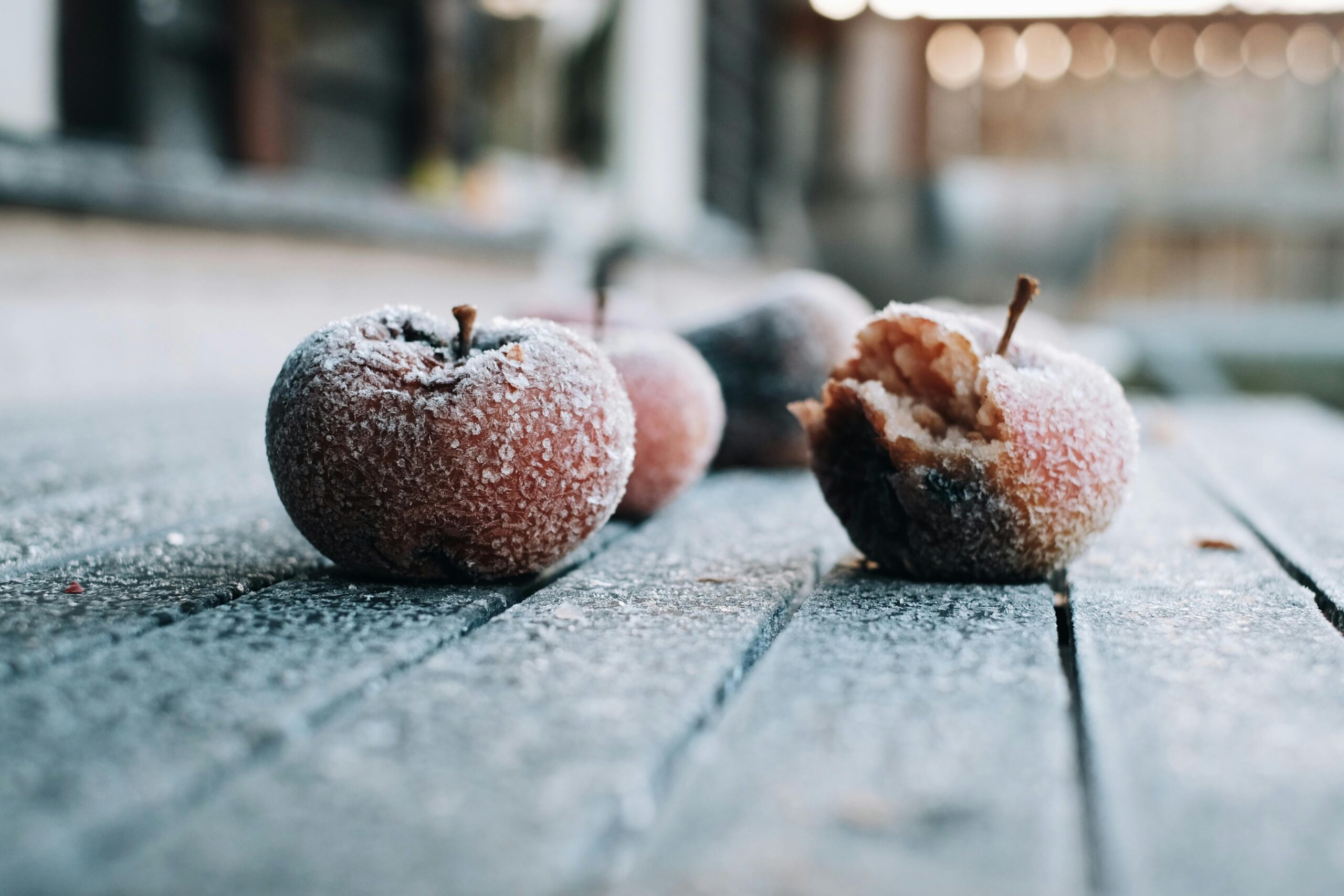
Freezing temperatures pose one of nature’s greatest challenges to plant survival, threatening cellular integrity and agricultural productivity worldwide. Understanding how to protect plant cell walls from frost damage is crucial for growers, farmers, and gardeners alike.

🧊 The Science Behind Frost Damage in Plant Cells
When temperatures drop below freezing, plants face a critical threat to their cellular structure. Ice crystal formation within and around plant cells can cause devastating damage to cell walls, membranes, and vital organelles. The cell wall, composed primarily of cellulose, hemicellulose, and pectin, serves as the first line of defense against environmental stresses, but freezing conditions can overwhelm even these robust structures.
Ice formation typically begins in the intercellular spaces, where water freezes first due to fewer dissolved solutes. This extracellular ice creates an osmotic gradient that draws water out from inside the cells, leading to cellular dehydration. As cells lose water, they shrink, causing mechanical stress on cell walls and membranes. The combination of ice crystal pressure and cellular dehydration can rupture cell walls, leading to irreversible damage and plant death.
Understanding the freezing process at the cellular level reveals why some plants survive winter while others perish. Hardy plants have evolved mechanisms to prevent or minimize ice crystal formation, reinforce cell wall structures, and manage the osmotic stress associated with freezing temperatures.
🌡️ Temperature Thresholds and Critical Damage Points
Different plant species exhibit varying levels of frost tolerance, with damage thresholds ranging from just below freezing to extreme sub-zero temperatures. Tender annuals may suffer damage at temperatures between -2°C to 0°C, while hardy perennials can withstand temperatures as low as -40°C or even colder.
The rate of temperature decline matters significantly. A gradual temperature drop allows plants time to activate protective mechanisms through a process called cold acclimation. Rapid temperature plunges provide no such opportunity, often resulting in severe damage even in moderately hardy species.
Cell wall damage typically occurs in distinct phases. Initial injury happens when ice crystals puncture cell membranes. Secondary damage occurs during thawing when cellular contents leak out through compromised walls. The most severe damage often manifests hours or days after the freezing event, as disrupted cellular processes lead to oxidative stress and programmed cell death.
💪 Natural Plant Defense Mechanisms Against Freezing
Plants have evolved remarkable strategies to survive freezing temperatures. Cold-hardy species employ multiple defensive tactics simultaneously, creating a comprehensive protection system that safeguards cell walls and cellular contents.
Cryoprotectant Accumulation
As autumn approaches and temperatures decline, hardy plants begin synthesizing cryoprotective compounds. Sugars, particularly sucrose, glucose, and fructose, accumulate in cell sap, lowering the freezing point of cellular fluids. These sugars also stabilize proteins and membranes, preventing denaturation during freezing stress.
Amino acids like proline serve dual roles as osmotic adjusters and membrane stabilizers. Proline accumulation increases dramatically in response to cold stress, helping maintain cell turgor and protecting protein structures from freeze-induced damage.
Cell Wall Modifications
Plants preparing for winter actively modify their cell wall composition. Pectin content increases, enhancing wall flexibility and resistance to mechanical stress. Some species deposit additional layers of cellulose, thickening walls to better withstand ice crystal pressure.
Certain cold-hardy plants produce antifreeze proteins that bind to ice crystals, inhibiting their growth and preventing them from reaching sizes that would puncture cell walls. These proteins represent one of nature’s most sophisticated frost protection mechanisms.
🛡️ Practical Strategies for Protecting Plants from Frost
Gardeners and farmers can implement numerous strategies to minimize frost damage, ranging from simple physical barriers to sophisticated environmental management systems.
Physical Protection Methods
Covering plants with frost blankets, row covers, or even bedsheets creates an insulating layer that traps heat radiating from the soil. These covers can provide 2-5°C of protection, often enough to prevent damage during mild frosts. Ensure covers extend to the ground to trap maximum heat and remove them during daylight to prevent overheating.
Cold frames and cloches create microenvironments that moderate temperature fluctuations. These structures absorb solar radiation during the day and release it slowly at night, buffering plants against sudden temperature drops.
Mulching around plant bases insulates roots and maintains more stable soil temperatures. A 5-10 cm layer of organic mulch prevents deep soil freezing, ensuring roots remain functional even when above-ground portions experience frost.
Water Management Techniques
Proper irrigation plays a surprisingly crucial role in frost protection. Well-watered soil retains more heat than dry soil, releasing warmth gradually throughout the night. Watering before anticipated frost events can provide several degrees of protection.
Overhead irrigation during freezing conditions exploits the latent heat of fusion. As water freezes on plant surfaces, it releases heat energy that can keep underlying tissues at or near 0°C. This technique, called sprinkler irrigation for frost protection, requires continuous application throughout the freezing period and careful management to prevent excessive ice accumulation that could break branches.
Wind Machines and Heaters
Commercial operations often employ wind machines that mix warmer air from above with cold air settling near the ground. These devices can provide 2-5°C of protection during radiation frost events when warmer air exists in atmospheric layers above the crops.
Orchard heaters and frost pots burn fuel to generate heat directly. While effective, these methods are expensive and environmentally problematic, making them practical only for high-value crops during critical growth stages.
🌱 Selecting Frost-Resistant Plant Varieties
Choosing appropriate plant varieties represents the most fundamental and cost-effective frost protection strategy. Plant breeders have developed cultivars with enhanced cold tolerance for virtually every crop species.
Understanding USDA hardiness zones helps match plants to appropriate climates. However, microclimates within zones can vary significantly, so observing local conditions remains essential. South-facing slopes, proximity to bodies of water, and urban heat islands all create warmer microclimates that expand planting possibilities.
Native plants typically exhibit better cold tolerance than exotic species, having evolved alongside local climate patterns. Incorporating native species into landscapes reduces frost damage risk while supporting local ecosystems.
🔬 Emerging Technologies in Frost Protection
Scientific advances continue expanding our frost protection toolkit, offering innovative approaches that may revolutionize how we safeguard plants against freezing damage.
Genetic Engineering Approaches
Researchers have identified cold-responsive genes that regulate frost tolerance in plants. By transferring these genes between species or enhancing their expression in susceptible crops, scientists are developing varieties with dramatically improved cold tolerance.
Antifreeze protein genes from arctic fish have been successfully introduced into some plant species, conferring enhanced freezing tolerance. While regulatory and consumer acceptance challenges remain, these transgenic approaches hold tremendous potential for expanding agricultural zones and reducing crop losses.
Nanotechnology Applications
Nanoparticle coatings applied to plant surfaces can modulate ice nucleation and crystal growth. These ultra-thin films interfere with ice formation without affecting photosynthesis or gas exchange, offering protection without the drawbacks of physical barriers.
Nano-encapsulated nutrients and growth regulators provide controlled release of compounds that enhance cold tolerance. These formulations ensure plants receive optimal nutrition precisely when needed for cold acclimation.
Climate Monitoring and Prediction
Advanced weather forecasting combined with micro-climate monitoring enables precise frost prediction. Modern systems integrate multiple data sources to predict frost events hours or days in advance, allowing growers to implement protective measures proactively.
Wireless sensor networks deployed throughout fields provide real-time temperature data at plant canopy level, triggering automated protection systems exactly when and where needed. This precision approach minimizes resource use while maximizing protection.
🌾 Seasonal Preparation and Cold Acclimation
Proper seasonal management significantly influences plant frost tolerance. A well-planned preparation strategy beginning in late summer substantially improves winter survival rates.
Autumn Management Practices
Reducing nitrogen fertilization in late summer prevents excessive tender growth that lacks cold tolerance. Nitrogen promotes vegetative growth at the expense of cold hardiness, so limiting availability as temperatures decline encourages plants to enter dormancy properly.
Potassium fertilization enhances cold tolerance by strengthening cell walls and improving osmotic regulation. Applying potassium-rich fertilizers in early autumn helps plants prepare for winter stress.
Gradual reduction in watering as temperatures decline encourages dormancy in appropriate species. However, maintaining adequate soil moisture remains important since dehydrated plants suffer more severe frost damage than well-hydrated ones.
Pruning and Training Considerations
Timing pruning operations properly prevents stimulating late-season growth that won’t harden off before winter. Major pruning should occur during full dormancy, typically mid-winter, to avoid triggering premature spring growth.
Training plants away from frost pockets and cold air drainage paths reduces exposure to the coldest temperatures. Even slight elevation differences can mean the difference between damage and survival during critical frost events.
🩹 Post-Frost Recovery and Damage Assessment
When frost damage occurs despite protective efforts, proper post-freeze management can mean the difference between plant death and full recovery.
Assessing the Extent of Damage
Avoid hasty pruning immediately after frost events. Damaged tissue isn’t always immediately apparent, and waiting several days or weeks allows accurate assessment of injury extent. Premature pruning may remove tissue that would have recovered.
Water-soaked, darkened foliage indicates cellular damage from ice crystal formation. However, some discoloration may reverse as cells recover, so patience proves essential.
Supporting Plant Recovery
Providing adequate water helps damaged plants recover by supporting new growth and diluting toxic compounds released from damaged cells. Avoid fertilizing immediately after frost damage, as injured roots cannot efficiently absorb nutrients, and excess fertilizer may cause additional stress.
Once new growth emerges and the full extent of damage becomes clear, prune dead and damaged tissue to redirect energy toward healthy growth. Disinfect pruning tools between cuts to prevent disease transmission through wounded tissues.
🌍 Climate Change and Future Frost Challenges
Climate change is altering traditional frost patterns, creating new challenges for plant survival and agricultural planning. While average temperatures increase, extreme weather events and unpredictable temperature swings are becoming more common.
Earlier spring warmth encourages premature budbreak, leaving plants vulnerable to late-season frosts that would previously have occurred before growth initiation. This phenomenon has caused devastating losses in fruit production across many regions.
Shifting hardiness zones require ongoing adaptation of plant selections and management practices. Species and cultivars appropriate for a location even a decade ago may no longer be optimally suited as climate patterns evolve.
Investment in frost protection infrastructure becomes increasingly important as weather unpredictability increases. Systems designed for occasional use may need upgrading to handle more frequent deployment as extreme weather events become more common.
🎯 Integrated Frost Management Plans
The most effective frost protection strategies combine multiple approaches tailored to specific plants, locations, and resources. No single method provides complete protection under all circumstances, but integrated plans significantly reduce damage risk.
Begin by selecting appropriate plant varieties for your climate zone, accounting for worst-case scenarios rather than average conditions. Design landscapes to take advantage of favorable microclimates and avoid frost pockets where cold air accumulates.
Implement appropriate cultural practices including proper fertilization timing, adequate irrigation, and mulching. These basic management strategies enhance natural plant cold tolerance, forming the foundation of frost protection.
Invest in monitoring and prediction tools appropriate to your scale of operation. Home gardeners may rely on weather forecasts and simple thermometers, while commercial operations benefit from sophisticated sensor networks and decision support systems.
Maintain readily deployable physical protection materials such as frost blankets and covers, ensuring they’re accessible when frost threatens unexpectedly. Practice deploying these systems so you can implement them efficiently when time is critical.

❄️ The Living Laboratory of Winter Gardens
Every freezing season provides opportunities to learn about plant cold tolerance and protection strategy effectiveness. Careful observation and record-keeping reveal patterns that inform future decision-making.
Document which plants suffer damage during specific weather events, noting temperatures, wind conditions, and protection methods employed. This information guides variety selection and protection strategy refinement over time.
Experiment with new protection techniques on a small scale before committing to extensive implementation. Trial different materials, timing, and application methods to discover what works best in your specific conditions.
Share observations and strategies with fellow gardeners and growers. Local knowledge proves invaluable since frost protection effectiveness varies dramatically with regional conditions, soil types, and microclimates.
Protecting plants from frost damage requires understanding the science of freezing injury, implementing appropriate protective measures, and selecting suitable plant varieties. Whether you’re a home gardener safeguarding cherished perennials or a commercial grower protecting valuable crops, combining traditional wisdom with modern technology creates the most effective defense against winter’s icy grip. As climate patterns shift and extreme weather becomes more common, adapting our approaches to frost protection ensures continued success in cultivating the plants that feed us, beautify our surroundings, and connect us to the natural world. The battle against frost damage is ongoing, but armed with knowledge and appropriate tools, we can emerge victorious, keeping our gardens and farms productive through even the coldest challenges.