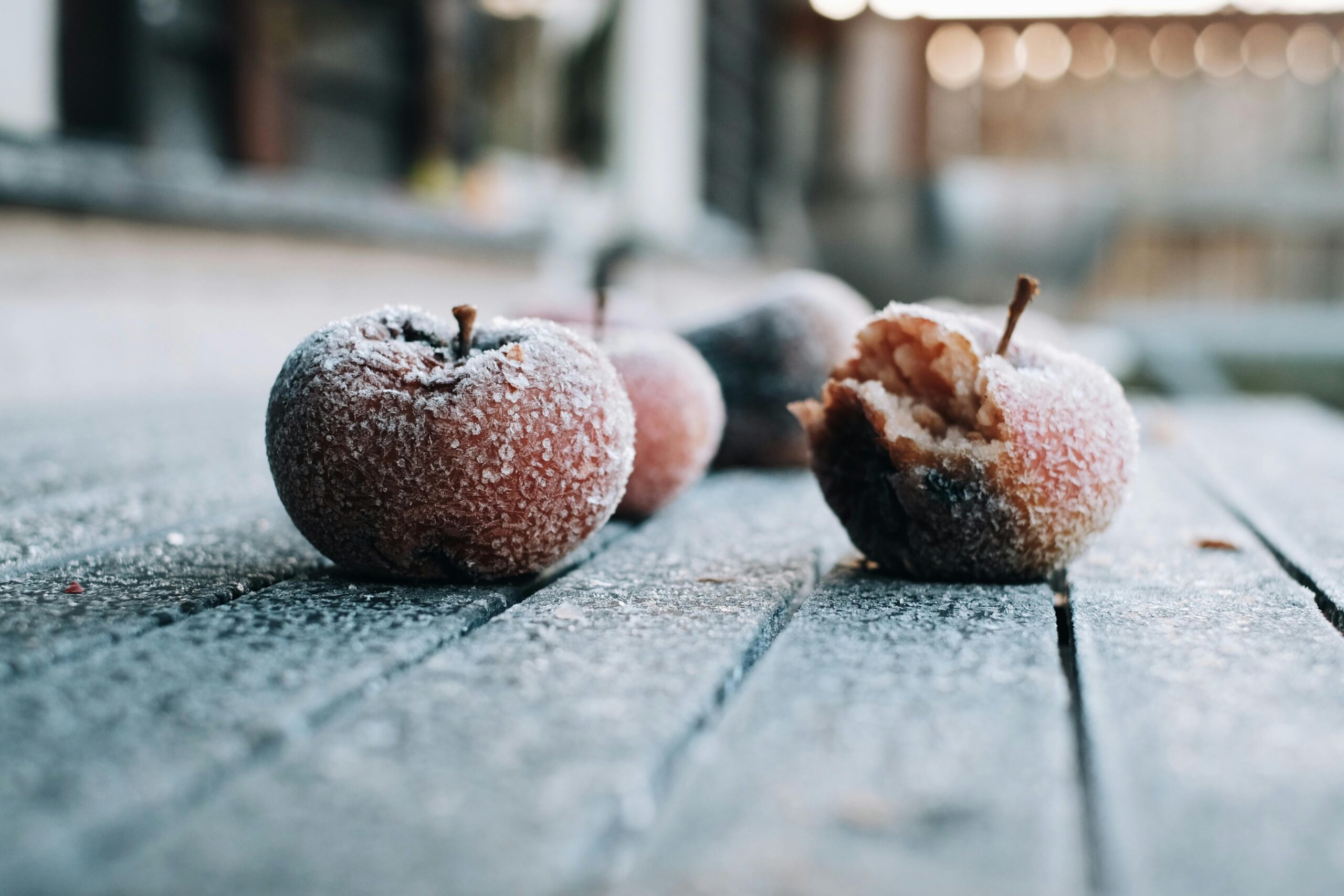
Modern food preservation relies heavily on advanced freezing technologies. Cryogenic and IQF methods stand at the forefront, revolutionizing how we maintain food quality, texture, and nutritional value. ❄️

The Cold Truth: Understanding Advanced Freezing Technologies
In today’s fast-paced food industry, the difference between mediocre and exceptional frozen products often comes down to the freezing method employed. While traditional freezing techniques have served us well for decades, cryogenic and Individual Quick Freezing (IQF) methods have emerged as game-changers in food preservation technology.
These sophisticated freezing approaches aren’t just about making food cold—they’re about preserving cellular integrity, maintaining nutritional content, and ensuring that frozen products retain their original quality. Understanding the nuances between these methods can help food manufacturers, restaurateurs, and even home consumers make informed decisions about food preservation.
Breaking Down Cryogenic Freezing: The Ultra-Cold Revolution
Cryogenic freezing represents the pinnacle of rapid freezing technology. This method employs extremely cold substances—typically liquid nitrogen at -196°C (-321°F) or liquid carbon dioxide at -78°C (-109°F)—to freeze food products almost instantaneously.
The science behind cryogenic freezing is fascinating. When food comes into contact with these ultra-cold cryogenic fluids, heat is extracted so rapidly that ice crystals don’t have time to grow large. This is crucial because smaller ice crystals mean less cellular damage and better texture preservation.
How Cryogenic Systems Operate
Cryogenic freezing systems typically work through immersion, spray, or cabinet methods. In immersion systems, food products are directly submerged in liquid nitrogen. Spray systems atomize the cryogenic fluid over the product, while cabinet systems use controlled atmospheres filled with cryogenic vapors.
The freezing rate in cryogenic systems can be up to 10 times faster than conventional mechanical freezing. This rapid freezing passes through the critical zone—the temperature range where ice crystal formation occurs—in mere minutes rather than hours.
Key Advantages of Cryogenic Freezing
- Exceptional speed: Products freeze in minutes, not hours, maximizing throughput
- Superior quality retention: Minimal ice crystal formation preserves texture and cellular structure
- Reduced weight loss: Less dehydration means better yield and profitability
- Flexibility: Suitable for a wide variety of products, including delicate items
- Space efficiency: Compact equipment footprint compared to traditional tunnel freezers
- Minimal oxidation: Nitrogen-rich environment prevents oxidative degradation
IQF Technology: The Individual Approach to Freezing Excellence
Individual Quick Freezing, commonly known as IQF, takes a different but equally impressive approach to food preservation. This method freezes individual pieces of food separately, preventing them from clumping together into a solid mass. 🧊
IQF technology revolutionized the frozen food industry by allowing consumers to use only the portion they need while keeping the rest frozen. Think of those bags of frozen berries where each fruit remains separate—that’s IQF at work.
The IQF Process Explained
IQF systems typically use fluidized bed technology, where cold air is blown upward through a perforated bed, suspending food particles in a floating state. This ensures that each piece is surrounded by cold air and freezes individually without touching neighboring pieces.
The process begins with food products being distributed evenly on a conveyor belt or vibrating bed. High-velocity cold air, typically at temperatures between -30°C to -40°C (-22°F to -40°F), circulates around each piece, creating a fluidized effect that prevents sticking.
IQF’s Distinctive Benefits
- Free-flowing products: Individual pieces remain separate for easy portioning
- Extended shelf life: Proper freezing inhibits microbial growth effectively
- Convenience factor: Users can extract only what they need without defrosting entire batches
- Consistent quality: Uniform freezing ensures predictable results
- Cost-effectiveness: Lower operational costs compared to cryogenic systems
- Versatility: Works excellently with fruits, vegetables, seafood, and diced proteins
Head-to-Head: Comparing Cryogenic and IQF Freezing Methods
While both methods excel at food preservation, they differ significantly in approach, application, and outcomes. Understanding these differences helps businesses choose the right technology for their specific needs.
Speed and Efficiency Considerations
Cryogenic freezing wins the speed race hands down. Products can be frozen in 3-12 minutes, depending on size and composition. This ultra-rapid freezing is particularly valuable for high-moisture products or items with delicate structures.
IQF systems, while slower than cryogenic methods, still operate significantly faster than conventional freezing. Typical IQF processing times range from 15-30 minutes, which is still impressive and sufficient for most applications.
Quality and Texture Preservation
Both methods preserve food quality exceptionally well, but through different mechanisms. Cryogenic freezing creates the smallest ice crystals due to its extreme speed, resulting in superior texture retention—especially noticeable in delicate products like berries, seafood, and bakery items.
IQF technology also minimizes ice crystal formation through rapid freezing, though not quite to the same degree as cryogenic methods. However, for many products, the quality difference is negligible, making IQF an excellent choice for cost-conscious operations.
Economic and Operational Factors
The cost structure differs dramatically between these technologies. Cryogenic systems require continuous supply of liquid nitrogen or carbon dioxide, creating ongoing operational expenses. However, they offer lower capital investment and minimal maintenance requirements.
IQF systems demand higher upfront investment in equipment but operate on standard electrical power, resulting in more predictable and often lower long-term operating costs. The choice often depends on production volume and product margins.
| Factor | Cryogenic Freezing | IQF Freezing |
|---|---|---|
| Freezing Speed | 3-12 minutes | 15-30 minutes |
| Operating Temperature | -78°C to -196°C | -30°C to -40°C |
| Capital Investment | Lower | Higher |
| Operating Costs | Higher (cryogen supply) | Lower (electricity-based) |
| Space Requirements | Compact | Larger footprint |
| Maintenance | Minimal | Regular required |
Application Scenarios: Choosing the Right Method
Selecting between cryogenic and IQF freezing depends on multiple factors including product type, production volume, budget constraints, and quality requirements. Let’s explore ideal applications for each method.
When Cryogenic Freezing Shines Brightest ✨
Cryogenic freezing excels with premium products where superior quality justifies higher operating costs. Delicate seafood like scallops, shrimp, and sashimi-grade fish benefit tremendously from cryogenic treatment, as the ultra-fast freezing preserves texture and prevents cell rupture.
Bakery products also see remarkable results with cryogenic freezing. Pastries, croissants, and decorated cakes maintain their structure and appearance beautifully. The rapid freezing prevents moisture migration that would otherwise cause sogginess or texture degradation.
High-value proteins destined for premium markets often justify cryogenic processing. Wagyu beef, organic chicken breast, and specialty cuts maintain their quality characteristics far better than with conventional freezing methods.
IQF’s Sweet Spot Applications
IQF technology dominates the frozen fruit and vegetable market. Berries, diced vegetables, corn kernels, and peas are ideal candidates. The individual freezing prevents clumping while maintaining nutritional value and allowing portion control.
Seafood processors use IQF extensively for shrimp, squid rings, and fish portions. The free-flowing nature of IQF products adds significant value for both retailers and consumers who appreciate the convenience.
Prepared food ingredients like diced chicken, beef strips, and formed products work excellently with IQF technology. Food service operations particularly value the ability to use exact amounts without waste.
The Science Behind Superior Preservation
Understanding the cellular-level changes during freezing helps explain why these advanced methods preserve quality so effectively. The key lies in ice crystal formation and its impact on cell walls.
Ice Crystal Formation and Food Quality
When water freezes slowly, it has time to migrate and form large ice crystals between cells. These crystals puncture cell walls, leading to texture degradation, drip loss upon thawing, and nutrient leakage. This is why conventionally frozen foods often become mushy when defrosted.
Both cryogenic and IQF methods freeze quickly enough to create numerous small ice crystals rather than fewer large ones. These micro-crystals cause minimal cellular damage, preserving the food’s original structure, texture, and nutritional content.
Nutritional Preservation Benefits
Rapid freezing methods lock in nutrients at their peak. Studies show that properly frozen vegetables can retain more vitamins than fresh produce that has been transported and stored for days. The speed of cryogenic and IQF freezing minimizes enzymatic activity that would otherwise degrade vitamins and antioxidants.
Water-soluble vitamins like vitamin C and B-complex vitamins are particularly sensitive to freezing conditions. The minimal cellular disruption in rapid freezing methods helps retain these valuable nutrients effectively.
Environmental and Sustainability Considerations 🌍
Modern food processing must balance quality and efficiency with environmental responsibility. Both cryogenic and IQF technologies present unique sustainability profiles.
Cryogenic Environmental Impact
Liquid nitrogen, the most common cryogen, is environmentally benign—it’s extracted from air and returns to the atmosphere after use without chemical changes. However, the energy required to produce liquid nitrogen is considerable, contributing to the method’s carbon footprint.
Carbon dioxide used in some cryogenic systems can be sourced as a byproduct of other industrial processes, potentially reducing overall environmental impact. Some facilities capture and recycle CO2, creating closed-loop systems.
IQF Sustainability Profile
IQF systems run on electricity, making their environmental impact dependent on the local energy grid. Facilities powered by renewable energy can operate IQF systems with minimal carbon footprint.
Modern IQF equipment incorporates energy recovery systems that capture and reuse cold air, significantly improving efficiency. These systems can reduce energy consumption by 30-40% compared to older designs.
Future Innovations in Rapid Freezing Technology
The frozen food industry continues evolving, with researchers developing hybrid systems that combine advantages of both cryogenic and IQF methods. Some facilities now use cryogenic pre-cooling followed by IQF processing, achieving optimal results while controlling costs.
Emerging technologies include magnetic freezing, which uses magnetic fields to control ice crystal formation, and pressure-assisted freezing that can freeze products at higher temperatures. These innovations may eventually complement or enhance existing cryogenic and IQF methods.
Making the Right Choice for Your Operation
The decision between cryogenic and IQF freezing ultimately depends on your specific circumstances. Consider conducting a cost-benefit analysis that accounts for product value, production volume, quality requirements, and market positioning.
Many successful operations use both technologies, applying each where it delivers the best value. Premium product lines might justify cryogenic processing, while high-volume commodity items work perfectly with IQF systems.
Testing is crucial—most equipment manufacturers offer trials that allow you to process your actual products before committing to a system. This hands-on evaluation often reveals subtle quality differences that specifications alone can’t convey.
Maximizing Results with Either Technology
Regardless of which freezing method you choose, certain best practices ensure optimal results. Pre-freezing preparation is critical—products should be at optimal ripeness or freshness, properly cleaned, and appropriately sized.
Temperature monitoring and control systems prevent quality variations. Modern freezing equipment includes sophisticated sensors and automation that maintain precise conditions throughout the freezing process.
Post-freezing handling matters too. Proper packaging prevents freezer burn and oxidation, while maintaining consistent frozen storage temperatures preserves the quality advantages gained through rapid freezing.
The Bottom Line on Freezing Excellence
Both cryogenic and IQF freezing methods represent significant advances over conventional freezing technology. They preserve food quality, extend shelf life, reduce waste, and enable global distribution of perishable products with minimal quality loss.
Cryogenic freezing offers unmatched speed and quality preservation, ideal for premium products where superior results justify higher operating costs. IQF technology provides excellent quality retention with better economics for high-volume operations and products where individual piece separation adds value.
The frozen food industry’s continued growth reflects consumers’ appreciation for convenient, high-quality frozen products. As technology advances and sustainability becomes increasingly important, both cryogenic and IQF methods will continue evolving to meet these demands.
Understanding these technologies empowers food processors, retailers, and consumers to make informed decisions that balance quality, cost, convenience, and environmental responsibility. The future of food preservation is cold—and getting better all the time. ❄️