Staying properly hydrated while traveling is crucial for your health, comfort, and overall well-being, yet it’s one of the most overlooked aspects of journey preparation.

Whether you’re embarking on a long-haul flight, a cross-country road trip, or simply commuting daily through busy cities, maintaining adequate hydration levels can be challenging. The combination of environmental factors, restricted access to water, and the distractions of travel often lead to dehydration without us even realizing it. Understanding the importance of hydration during transport and implementing practical strategies can transform your travel experience from exhausting to energizing.
🚰 Why Hydration Matters More During Travel
When we’re on the move, our bodies face unique challenges that increase fluid loss and make dehydration more likely. Air travel, in particular, presents a hostile environment for hydration. The cabin air in commercial aircraft typically has humidity levels between 10-20%, significantly lower than the 30-60% we experience in most indoor environments. This dry air accelerates moisture loss through breathing and skin evaporation.
Road trips and train journeys present different but equally significant challenges. The tendency to limit water intake to avoid frequent bathroom stops, combined with the dehydrating effects of air conditioning or heating systems, creates a perfect storm for dehydration. Additionally, the stress and excitement of travel can suppress our natural thirst signals, meaning we don’t realize we need water until we’re already moderately dehydrated.
Dehydration affects more than just your thirst level. Even mild dehydration can cause headaches, fatigue, difficulty concentrating, mood changes, and digestive issues. During travel, when you need to be alert, energetic, and ready to navigate new environments, these symptoms can significantly impact your experience and even compromise your safety.
🎒 Preparing Your Hydration Strategy Before You Leave
Successful hydration during transport begins long before you step out the door. Start hydrating properly at least 24 hours before your journey. This doesn’t mean drinking excessive amounts of water all at once, which can actually be counterproductive. Instead, maintain consistent water intake throughout the day, aiming for pale yellow urine as an indicator of good hydration status.
Invest in a quality reusable water bottle that suits your travel style. Insulated stainless steel bottles keep water cold for hours, making it more appealing to drink. Look for bottles with wide mouths for easy filling and cleaning, and consider capacity based on your journey length. For air travel, bring an empty collapsible or regular bottle through security and fill it at water fountains or ask flight attendants to fill it during the flight.
Pack hydration-supporting snacks in your carry-on or travel bag. Foods with high water content not only contribute to your fluid intake but also provide essential electrolytes. Cucumbers, oranges, grapes, and watermelon are excellent choices. Avoid heavily processed snacks that are high in sodium, as these increase your body’s water requirements.
✈️ Mastering Hydration During Air Travel
Air travel presents the most challenging environment for staying hydrated. The low humidity levels, combined with cabin pressure and restricted movement, create conditions that rapidly dehydrate passengers. Flight attendants and frequent travelers recommend drinking approximately 240ml (8 ounces) of water for every hour of flight time, though individual needs vary based on body size and other factors.
Set reminders on your phone or smartwatch to drink water regularly throughout your flight. It’s easy to get distracted by in-flight entertainment, work, or sleep, causing hours to pass without adequate fluid intake. Many hydration tracking apps can help you monitor your water consumption and send gentle reminders.
Don’t rely solely on beverage service from flight attendants. While they’ll offer drinks periodically, you have the right to request water at any time during the flight. Fill your water bottle whenever possible, and don’t hesitate to ask for multiple cups if you’ve finished your supply. Most airlines are happy to accommodate hydration requests.
Limit consumption of alcohol and caffeinated beverages during flights. Both act as diuretics, increasing fluid loss through urination. If you do choose to enjoy these drinks, follow each serving with an equal amount of water to offset their dehydrating effects. The common advice about avoiding coffee and alcohol entirely during flights has merit, especially on longer journeys.
🚗 Road Trip Hydration Strategies That Actually Work
Road trips offer more flexibility for hydration than air travel, but they come with their own set of challenges. The temptation to limit water intake to reduce bathroom stops is strong, but this strategy backfires. Proper hydration actually improves alertness, reaction time, and mood—all critical factors for safe driving.
Plan your route to include regular rest stops every two to three hours. This serves the dual purpose of stretching your legs and attending to bathroom needs while maintaining proper hydration. Many highway rest areas now feature water bottle filling stations, making it easy to refill without purchasing bottled water.
Keep multiple water bottles in your vehicle, positioned within easy reach of all passengers. Cup holders should contain water, not just coffee or soda. For the driver, consider bottles with sport caps or straws that allow drinking without taking eyes off the road or requiring two hands.
Monitor the vehicle’s climate control settings. While air conditioning and heating keep passengers comfortable, they also dry out the air inside the vehicle. Crack a window slightly when weather permits to introduce fresh air and maintain better humidity levels. This small adjustment can significantly reduce the drying effects of climate control systems.
🚆 Staying Hydrated During Train and Bus Journeys
Public transportation presents unique hydration challenges, including limited luggage space, restrictions on outside beverages, and variable access to clean water sources. Research your specific carrier’s policies before traveling. Most trains and buses allow sealed water bottles, and many longer routes offer onboard water service.
For train travel, take advantage of the greater freedom of movement compared to planes or buses. Walk to the dining car or café section to refill your water bottle and stretch simultaneously. This movement also promotes circulation and helps your body utilize the water you’re consuming more effectively.
Bus travel typically offers fewer amenities, so plan accordingly. Bring sufficient water for the entire journey plus extra for unexpected delays. Freeze a water bottle the night before departure—as it melts, you’ll have cold, refreshing water throughout your trip. This strategy also eliminates concerns about water temperature in environments where refrigeration isn’t available.
💧 Smart Beverage Choices Beyond Plain Water
While water should be your primary hydration source during travel, other beverages can support your hydration goals when chosen wisely. Understanding which drinks help and which hinder hydration allows you to make informed choices during your journey.
Coconut water offers excellent electrolyte balance without excessive sugar, making it an ideal travel beverage. The natural potassium content helps your body retain the fluids you’re consuming. Herbal teas, when consumed at moderate temperatures, contribute to hydration while offering variety. Peppermint tea can also help settle travel-related stomach discomfort.
Electrolyte drinks serve an important purpose during very long journeys or when traveling in hot climates. However, many commercial sports drinks contain unnecessary sugar and artificial ingredients. Look for low-sugar options or consider electrolyte tablets that dissolve in water, giving you control over concentration and taste.
Fresh fruit and vegetable juices provide both hydration and nutrients, though their sugar content means they should complement rather than replace water. Diluting juice with water creates a refreshing drink with lower sugar concentration while extending your supply. This strategy works particularly well for children who may resist plain water during travel.
🌡️ Recognizing and Responding to Dehydration Symptoms
Early recognition of dehydration symptoms allows you to take corrective action before serious problems develop. Thirst is actually a late-stage indicator—by the time you feel thirsty, you’re already mildly dehydrated. More reliable early warning signs include darker yellow urine, decreased urination frequency, and a dry mouth or lips.
Physical symptoms often manifest before you recognize the underlying cause. Headaches during travel are frequently attributed to stress, motion, or air pressure changes, but dehydration is often the actual culprit. Unusual fatigue, difficulty concentrating, and irritability also commonly result from inadequate fluid intake during journeys.
If you notice dehydration symptoms, take immediate action. Drink water steadily rather than gulping large amounts at once, which can cause stomach discomfort. Pair water with a small snack containing natural sodium and potassium to help your body absorb and retain the fluids. Rest if possible, as your body needs energy to restore proper hydration balance.
👶 Special Considerations for Traveling with Children and Elderly Passengers
Children and older adults face elevated dehydration risks during travel due to different physiological factors. Young children have higher surface-area-to-volume ratios, meaning they lose body water more quickly through their skin. They also may not recognize or communicate thirst effectively, especially when distracted by the excitement of travel.
Establish a hydration schedule for children rather than waiting for them to request water. Make drinking fun by using colorful bottles with favorite characters, offering slightly flavored water, or creating a game around hydration. Set an example by drinking water yourself regularly—children often mirror adult behavior.
Elderly travelers may have diminished thirst sensation, making them unaware of their body’s fluid needs. Medications common in older adults can also increase dehydration risk. Family members or travel companions should monitor elderly travelers’ water intake and encourage regular drinking, especially on longer journeys. Small, frequent sips work better than large amounts consumed infrequently.
🧊 Temperature and Timing: Optimizing Your Water Intake
The temperature of your drinking water affects both your willingness to consume it and how your body processes it. Cold water is generally more palatable and refreshing, encouraging higher consumption. However, room temperature water is absorbed slightly faster by the body and doesn’t require energy expenditure to warm it to body temperature.
During travel, prioritize whatever temperature encourages you to drink more. If ice-cold water motivates you to stay hydrated, the benefits outweigh the marginal absorption speed difference. For travel in hot climates or during summer, cold water provides the added benefit of helping regulate body temperature.
Timing your water intake strategically can improve your comfort during travel. Drink more heavily at the beginning of your journey and during middle stages, then taper slightly as you approach your destination if bathroom access will be limited. However, never severely restrict intake—discomfort from urgency is far less problematic than the effects of dehydration.
📱 Using Technology to Support Your Hydration Goals
Smartphone apps designed to track water intake have become valuable tools for maintaining hydration during travel. These applications allow you to set personalized daily goals based on your weight, activity level, and environmental factors. Many send customizable reminders at intervals you choose, helping you maintain consistent intake even when focused on other travel activities.
Smartwatches and fitness trackers often include hydration tracking features integrated with other health metrics. Some advanced models even estimate fluid needs based on your activity level, heart rate, and environmental temperature. This technology is particularly useful during active travel involving hiking, cycling, or extensive walking.
Consider using apps that gamify hydration, turning it into a challenge or achievement-based activity. This approach works especially well for children and can make the sometimes tedious task of drinking enough water more engaging during long journeys. Progress tracking provides visual feedback that reinforces positive hydration habits.
🌍 Adapting to Different Climates and Altitudes
Travel to different climates and elevations dramatically affects your hydration needs. Hot, humid environments increase sweat production, while hot, dry climates cause rapid moisture evaporation from skin and respiratory passages. Cold weather suppresses thirst sensation while still causing significant fluid loss through respiration and increased urination.
High-altitude destinations present particular hydration challenges. The lower air pressure and reduced humidity at elevation increase respiratory water loss. Additionally, altitude triggers increased urination as your body adapts to lower oxygen levels. When traveling to mountains or high-altitude cities, consciously increase water intake by at least 50% during the first few days of acclimatization.
Research your destination’s climate before departure and adjust your hydration strategy accordingly. Pack appropriate supplies, such as additional water bottles or electrolyte supplements for hot destinations. For cold-weather travel, insulated bottles prevent water from freezing and make cold water more comfortable to drink in chilly environments.
🎯 Creating Sustainable Hydration Habits for Regular Travelers
Frequent travelers benefit enormously from establishing consistent hydration routines that become automatic regardless of journey type. Develop a pre-travel checklist that includes hydration preparation, ensuring you never embark on a journey without proper planning. This might include filling water bottles, packing hydrating snacks, and pre-hydrating the night before early morning departures.
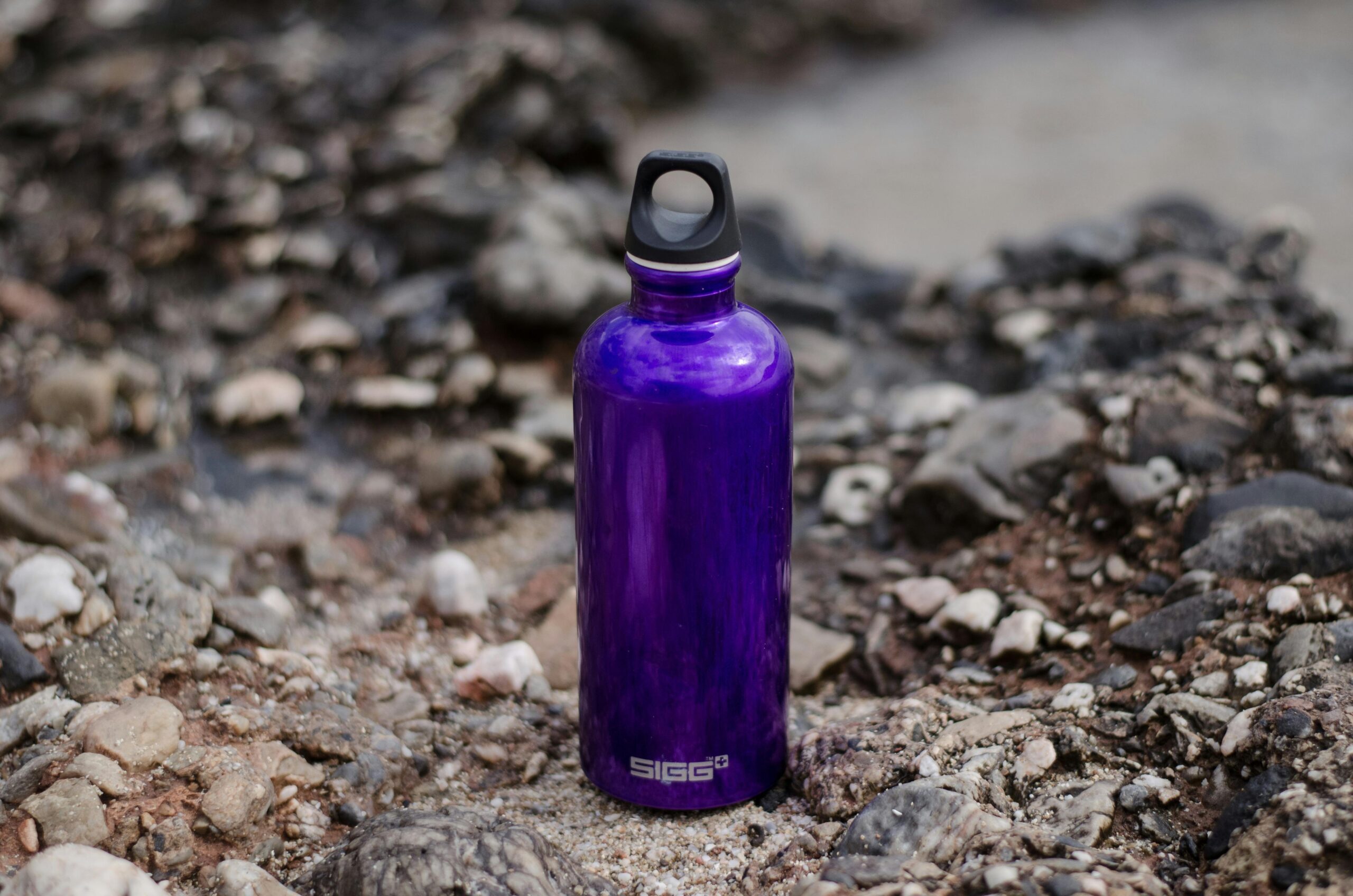
Invest in quality hydration gear that encourages regular use. A water bottle you genuinely like—whether for its design, functionality, or environmental message—is one you’ll actually carry and use consistently. Many travelers find that having separate bottles for different travel modes (a collapsible bottle for flights, an insulated bottle for car trips) supports better hydration habits.
Track your hydration success over multiple trips and note what strategies work best for you. Everyone’s needs differ based on body size, metabolism, typical travel conditions, and personal preferences. Building awareness of your patterns allows you to refine your approach and develop a personalized system that keeps you properly hydrated without requiring constant conscious effort.
Making hydration a non-negotiable priority during travel pays dividends in how you feel throughout your journey and after arrival. The energy, mental clarity, and physical comfort that proper hydration provides transform travel from a draining necessity into an energizing experience. By implementing these strategies and adapting them to your specific needs, you ensure that every journey supports rather than compromises your health and well-being. Remember that staying hydrated isn’t just about drinking water—it’s about mindful preparation, consistent habits, and recognizing your body’s signals. Your future traveling self will thank you for the care you take today in maintaining optimal hydration on every adventure.