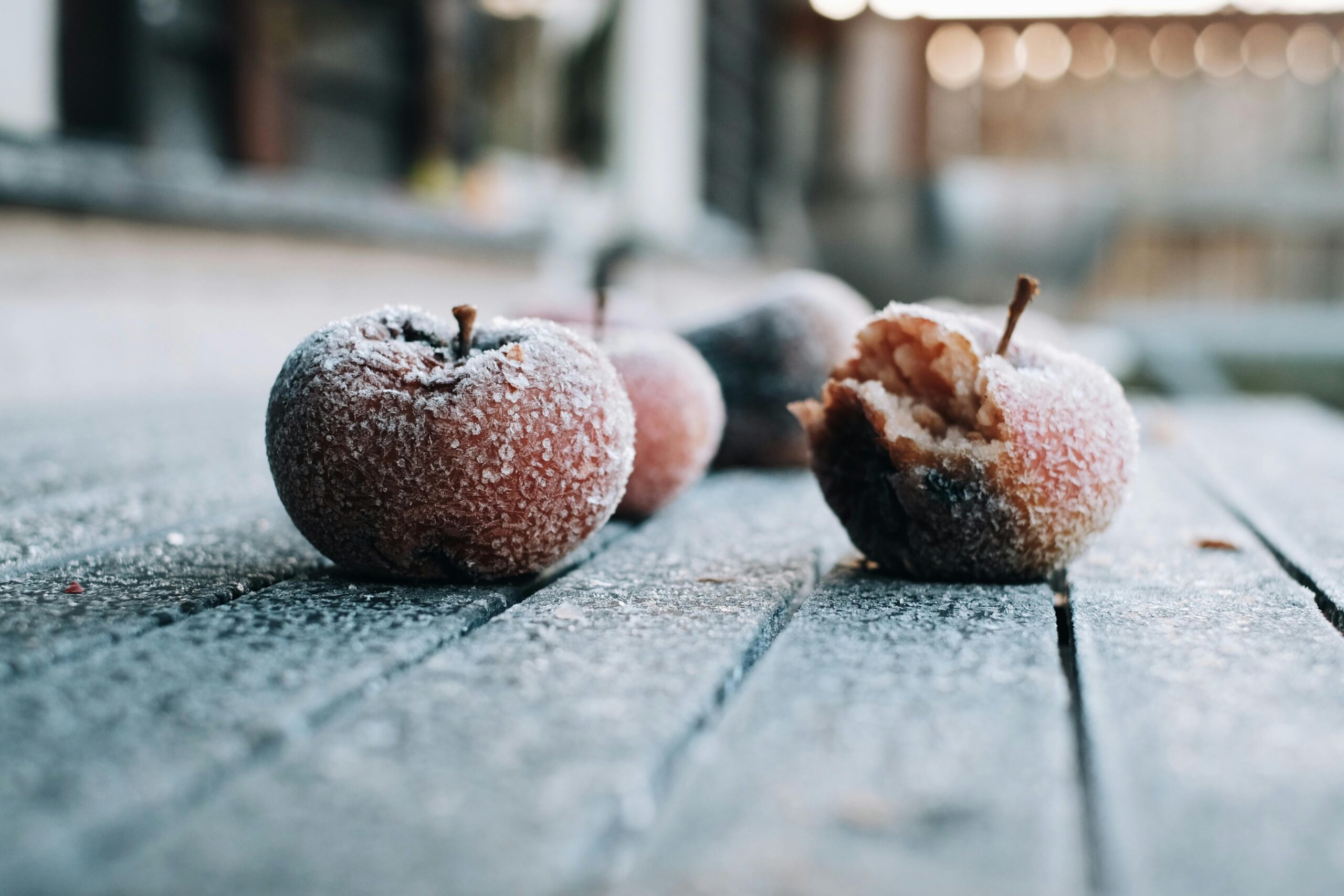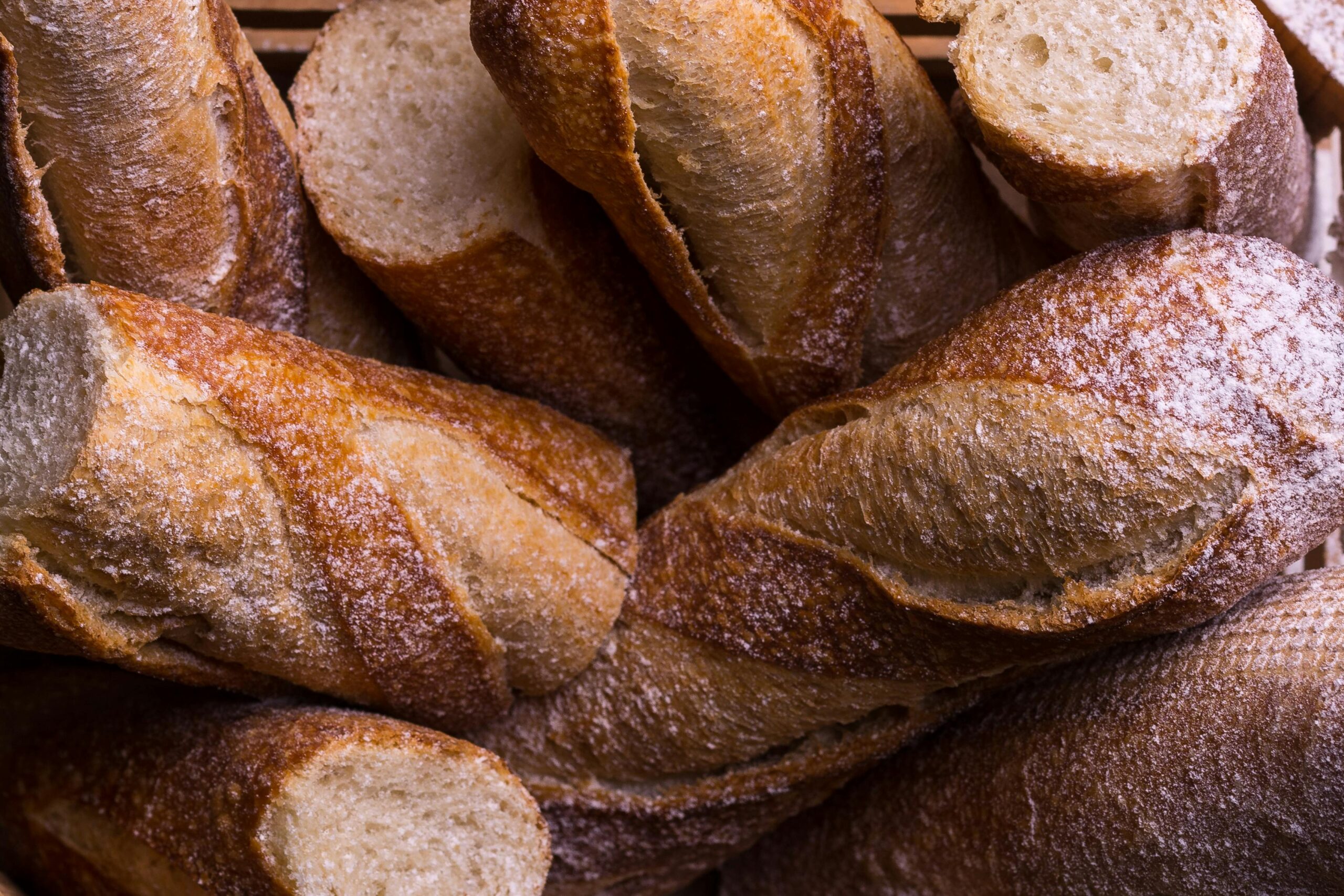
Keeping baked goods moist and fresh is one of the greatest challenges facing home bakers and professional pastry chefs alike, requiring knowledge of ingredients, techniques, and storage methods.

🧁 Understanding the Science Behind Moisture Loss in Baked Goods
The moment your baked goods emerge from the oven, they begin a relentless journey toward staleness. This process, known as retrogradation, occurs when starch molecules crystallize and water migrates from the crumb to the crust or evaporates entirely. Understanding this fundamental principle is essential for anyone serious about maintaining freshness in their baked creations.
Water activity within baked goods plays a crucial role in their shelf life and texture. When moisture content drops below optimal levels, products become dry, crumbly, and unpalatable. The challenge lies in maintaining the delicate balance between adequate moisture for softness and controlled water activity to prevent mold growth.
Temperature fluctuations accelerate moisture loss significantly. Each time you open your refrigerator or expose baked goods to varying environmental conditions, condensation and evaporation cycles compromise their structure. This is why professional bakeries invest heavily in climate-controlled storage solutions.
💧 Essential Ingredients That Lock in Moisture
The foundation of moisture retention begins with ingredient selection. Certain components act as humectants—substances that attract and retain water molecules—creating a protective barrier against dehydration. These ingredients don’t just add moisture; they actively prevent its escape.
Fats: Your First Line of Defense
Butter, oil, and shortening coat flour particles, inhibiting gluten development and creating tender crumbs that hold moisture effectively. Oil-based recipes typically stay moist longer than butter-based ones because liquid fats distribute more evenly throughout the batter. However, butter contributes irreplaceable flavor that many bakers consider worth the trade-off.
The fat content in your recipe directly correlates with moisture retention. Cakes with higher fat ratios remain soft for days, while lean breads stale within hours. Consider increasing fat by 10-15% in recipes you plan to store for extended periods.
Sugars and Sweeteners as Moisture Magnets
Sugar does more than sweeten; it’s a powerful humectant that binds water molecules at the molecular level. Brown sugar, honey, corn syrup, and molasses are particularly effective because they contain more moisture than granulated sugar and have stronger hygroscopic properties.
Replacing 25-50% of granulated sugar with honey or corn syrup can extend freshness by several days. These liquid sweeteners interfere with starch crystallization, the primary culprit behind staling. Be mindful that this substitution affects sweetness levels and browning rates, requiring recipe adjustments.
Dairy Products That Preserve Freshness
Sour cream, yogurt, buttermilk, and cream cheese contribute both moisture and acidity. The acid content tenderizes gluten strands while the fat content creates a moisture-retentive crumb structure. Recipes incorporating these ingredients consistently outperform their plain counterparts in longevity tests.
Full-fat dairy products perform significantly better than low-fat alternatives. The additional fat creates a protective coating around air bubbles in the crumb, preventing moisture from escaping. When substituting, always choose the highest fat content available for maximum moisture retention.
🥖 Baking Techniques That Preserve Moisture
Even with perfect ingredients, improper technique can result in dry, disappointing baked goods. The methods you employ during mixing, baking, and cooling determine how well moisture remains trapped within your creations.
The Mixing Method Matters
Overmixing develops excessive gluten, creating a tough texture that releases moisture quickly. For cakes and quick breads, mix only until ingredients combine—visible flour streaks are acceptable. The remaining flour will hydrate during resting and baking, resulting in a tender, moist crumb.
The creaming method, where butter and sugar are beaten together before adding other ingredients, incorporates air while coating flour particles with fat. This dual action creates structure while protecting against moisture loss. Cream for 3-5 minutes at medium speed for optimal results.
Temperature and Timing Precision
Overbaking is the most common cause of dry baked goods. Invest in an oven thermometer—many ovens run 25°F hotter or cooler than their displays indicate. This discrepancy can mean the difference between perfectly moist and disappointingly dry results.
Remove baked goods from the oven when they’re slightly underdone. Carryover cooking continues for 5-10 minutes after removal, bringing items to perfect doneness while retaining maximum moisture. For cakes, look for a toothpick that emerges with a few moist crumbs rather than completely clean.
Steam Injection Techniques
Professional bakeries use steam-injected ovens to keep bread crusts thin while maintaining moist interiors. Home bakers can replicate this by placing a pan of water on the oven’s bottom rack or spritzing water inside the oven during the first ten minutes of baking.
The steam creates a humid environment that delays crust formation, allowing the interior to bake thoroughly without excessive moisture loss. This technique is particularly effective for artisan breads, rolls, and crusty loaves.
🛡️ Post-Baking Moisture Protection Strategies
The hours immediately following baking are critical for moisture retention. How you cool, wrap, and store your baked goods determines their longevity and quality over the coming days.
Cooling Methods That Seal in Freshness
Allow baked goods to cool completely before wrapping. Trapping steam creates condensation that makes surfaces soggy and promotes mold growth. However, don’t leave items exposed to air for extended periods—this accelerates moisture loss.
For cakes and quick breads, cool in the pan for 10-15 minutes, then turn out onto a wire rack. The elevated position allows air circulation underneath, preventing soggy bottoms while maintaining overall moisture. Cover loosely with a clean kitchen towel to slow evaporation without trapping steam.
Strategic Wrapping Techniques
Once completely cool, wrap baked goods tightly in plastic wrap, pressing directly against the surface to eliminate air pockets. Air is the enemy of freshness, carrying away moisture molecules and accelerating staling. Double wrapping provides additional protection for items you plan to store beyond two days.
For frosted cakes, place them uncovered in the refrigerator for 15 minutes to set the frosting, then wrap carefully. This prevents the wrapping from sticking to the frosting while still providing moisture protection. Alternatively, use a cake dome or airtight container sized appropriately to minimize air exposure.
📦 Storage Solutions for Extended Freshness
Different baked goods require different storage approaches. Understanding these distinctions helps you make informed decisions that maximize shelf life without compromising quality or safety.
Room Temperature Storage Guidelines
Most cakes, cookies, quick breads, and muffins store best at room temperature, tightly wrapped or in airtight containers. The cool environment of refrigerators accelerates staling in starch-based products, making them dry and crumbly within a day or two.
Store items in a cool, dry location away from direct sunlight and heat sources. Ideal storage temperature ranges from 68-72°F. Higher temperatures promote oil separation and rancidity, while lower temperatures trigger premature staling.
When Refrigeration Makes Sense
Baked goods with perishable fillings or frostings—cream cheese, custard, whipped cream, or fresh fruit—require refrigeration for food safety. Accept that some textural changes will occur, but prevent complete dryness by wrapping meticulously and bringing items to room temperature before serving.
Before serving refrigerated items, let them stand at room temperature for 30-60 minutes. This allows fats to soften and flavors to bloom, significantly improving the eating experience. The texture will never match freshly baked, but proper tempering minimizes the difference.
Freezing: Your Long-Term Moisture Preservation Tool
Freezing halts staling processes entirely, making it the ultimate preservation method for baked goods you won’t consume within three days. Most items freeze successfully for 2-3 months without quality loss when properly wrapped.
The key to successful freezing lies in preventing freezer burn—the dehydration that occurs when moisture sublimates from the surface. Wrap items tightly in plastic wrap, then aluminum foil, then place in freezer-safe zip-top bags with excess air removed. This triple-barrier approach provides maximum protection.
Thaw frozen baked goods slowly in their wrapping at room temperature. This allows moisture to redistribute evenly throughout the product rather than condensing on the surface. Never microwave to thaw—uneven heating creates dry spots and tough textures.
🍰 Recipe Modifications for Enhanced Moisture Retention
When adapting recipes specifically for improved moisture retention, strategic substitutions and additions can dramatically extend freshness without altering the fundamental character of your baked goods.
Incorporating Moisture-Boosting Additions
Applesauce, mashed bananas, pumpkin puree, and grated zucchini add moisture while contributing minimal flavor impact. These ingredients work particularly well in quick breads, muffins, and snack cakes. Replace up to 50% of the fat in a recipe with fruit or vegetable purees for extended freshness.
Pudding mix is a baker’s secret weapon for moisture retention. Adding a 3.4-ounce package of instant pudding to cake recipes creates an incredibly tender, moist crumb that stays fresh for days. The starch in pudding mix absorbs and retains moisture while enhancing flavor.
Flour Selection and Alternatives
Cake flour produces more tender, moisture-retentive results than all-purpose flour due to its lower protein content and finer texture. The reduced gluten development creates a softer crumb structure that holds moisture more effectively. Substitute cake flour for all-purpose in a 1:1 ratio plus 2 tablespoons per cup.
Incorporating small amounts of alternative flours can improve moisture retention. Almond flour, coconut flour, and oat flour all contain natural fats and fibers that bind water molecules. Replace 25% of wheat flour with alternative flours for enhanced moisture without dramatically altering texture.
🎯 Category-Specific Moisture Maintenance Strategies
Different types of baked goods present unique moisture challenges requiring tailored approaches for optimal freshness preservation.
Keeping Cookies Fresh and Chewy
Store cookies with a slice of bread in an airtight container. The bread releases moisture slowly, which cookies absorb, maintaining their texture. Replace the bread slice every 1-2 days to prevent mold. This method works exceptionally well for soft cookies but avoid using it with crispy varieties you want to keep crunchy.
Brown sugar can also maintain cookie moisture when placed in a small, perforated container within your cookie storage vessel. The sugar’s natural moisture content creates a humid microenvironment without making cookies soggy.
Bread That Stays Soft
Bread stales faster than any other baked good due to its low fat and sugar content. Store bread in paper bags at room temperature for 1-2 days, or freeze immediately for longer storage. Never refrigerate bread—temperatures between 32-50°F accelerate staling up to six times faster than room temperature.
For homemade bread, brush the crust with melted butter immediately after baking. This creates a barrier that slows moisture loss while adding flavor. Store in a bread box or paper bag to maintain crust texture while protecting the soft interior.
Cake Moisture Mastery
Simple syrup brushed on cake layers before frosting adds moisture and flavor while creating a protective barrier. Combine equal parts sugar and water, heat until dissolved, and cool before brushing liberally on each layer. Flavored variations with vanilla, citrus, or liqueurs enhance complexity.
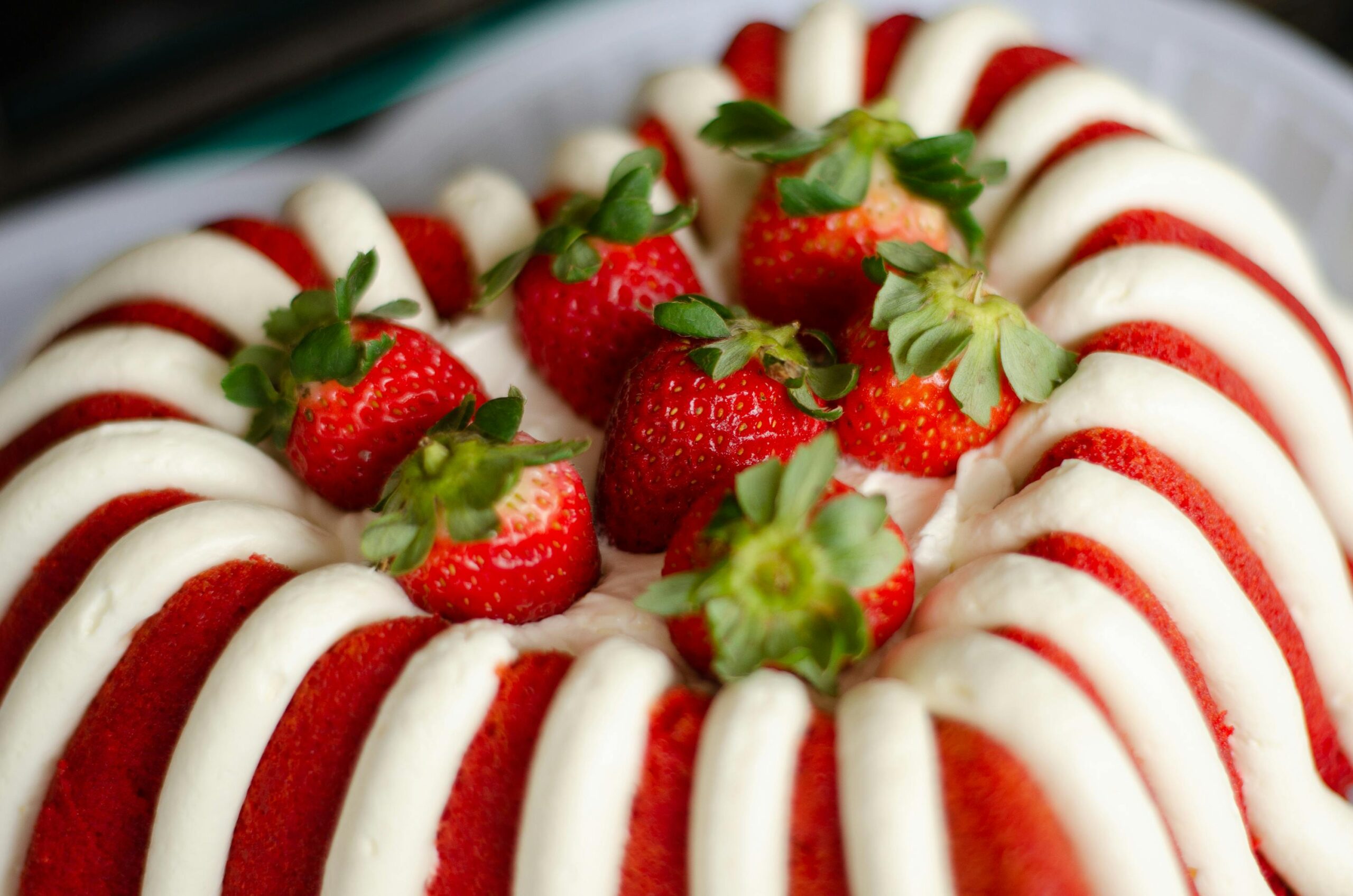
For layer cakes, frost generously. Frosting acts as a protective seal, preventing moisture escape from the cake’s surface. Buttercream provides better moisture protection than whipped cream or light frostings due to its high fat content and density.
🔬 Troubleshooting Common Moisture Problems
Even experienced bakers encounter moisture-related issues. Identifying the root cause enables you to adjust techniques and prevent future disappointments.
Diagnosing Dry, Crumbly Results
If your baked goods consistently emerge dry despite following recipes carefully, check your measuring technique. Too much flour is the most common culprit. Use the spoon-and-level method: spoon flour into measuring cups and level with a straight edge rather than scooping directly from the bag.
Expired leavening agents can also cause dryness. Baking powder and baking soda lose potency over time, resulting in dense, dry products that don’t rise properly. Test leaveners before use: baking powder should fizz vigorously in hot water, baking soda in vinegar.
Addressing Soggy or Gummy Textures
Excessive moisture creates its own problems. Gummy centers indicate underbaking or too much liquid in the recipe. Verify oven temperature accuracy and ensure you’re measuring liquids in clear measuring cups at eye level for precision.
High humidity environments require recipe adjustments. Reduce liquid by 1-2 tablespoons and increase baking time slightly. Store baked goods with silica gel packets to absorb excess environmental moisture without affecting the product directly.
⏰ Timeline Expectations for Different Baked Goods
Understanding realistic freshness timelines helps you plan baking schedules and manage expectations for stored items.
| Baked Good | Room Temperature | Refrigerated | Frozen |
|---|---|---|---|
| Layer Cakes (frosted) | 2-3 days | 4-5 days | 2-3 months |
| Quick Breads | 3-4 days | 1 week | 2-3 months |
| Cookies (soft) | 1 week | Not recommended | 2-3 months |
| Muffins | 2-3 days | 1 week | 2 months |
| Yeast Bread | 2-3 days | Not recommended | 3 months |
| Brownies | 4-5 days | 1 week | 3 months |
🌟 Professional Secrets for Competition-Quality Freshness
Professional bakers employ advanced techniques that home bakers can easily adopt for superior results that rival commercial bakeries.
The Tangzhong Method
This Asian technique involves cooking a small portion of flour and liquid into a paste before adding it to bread dough. The gelatinized starches hold significantly more water than raw flour, resulting in incredibly soft bread that stays fresh for days. Use a ratio of 1 part flour to 5 parts water, cooking until thickened.
Tangzhong works beautifully in dinner rolls, sandwich bread, and sweet buns. The method increases moisture retention by up to 30% without affecting flavor or requiring special ingredients. Cool the paste completely before incorporating into your recipe.
Enzyme Enhancement
Commercial bakeries use enzymes like amylase to slow staling by interfering with starch retrogradation. Home bakers can achieve similar effects by adding diastatic malt powder to bread recipes. Use 1/4-1/2 teaspoon per cup of flour for improved texture and extended freshness.
Diastatic malt also enhances browning and flavor development while feeding yeast more effectively. Purchase from specialty baking suppliers or online retailers. Note that diastatic malt is different from non-diastatic malt, which doesn’t provide the same enzymatic benefits.
🥧 Final Thoughts on Moisture Mastery Excellence
Achieving lasting freshness in baked goods requires understanding the interplay between ingredients, techniques, and storage methods. By implementing the strategies outlined in this guide, you’ll consistently produce baked goods that maintain their just-baked quality for days rather than hours.
Remember that moisture retention begins with recipe selection and ingredient quality, continues through proper mixing and baking techniques, and concludes with strategic storage approaches. Each phase offers opportunities to preserve freshness and extend the enjoyment of your baking efforts.
Experiment with different combinations of techniques to find what works best for your specific recipes and environment. Keep detailed notes about what modifications produce the best results, building your personal knowledge base of moisture mastery strategies that work in your unique circumstances.
The satisfaction of pulling out perfectly moist baked goods days after preparation—knowing they taste nearly as good as the moment they emerged from the oven—represents the pinnacle of baking skill. With practice and attention to these principles, that level of excellence becomes consistently achievable in your home kitchen. 🎂