Ever wondered why your frozen chicken turns dry or ice crystals form inside that bag of vegetables? The answer lies in the fascinating science of dehydration.

🧊 The Fundamental Physics of Water in Food
Water exists in food in multiple states, and understanding these states is crucial to comprehending dehydration in stored and frozen foods. Fresh foods contain water bound to proteins, trapped in cellular structures, and existing as free moisture on surfaces. When we store or freeze food, we fundamentally alter these water relationships, triggering processes that can significantly impact texture, flavor, and nutritional value.
The water activity in food determines how available moisture is for chemical reactions, microbial growth, and physical changes. Foods with high water activity are more prone to spoilage but also maintain better texture and palatability. When we freeze or store foods, we’re essentially manipulating this water activity, sometimes with unintended consequences.
Understanding Freezer Burn: More Than Just Ice
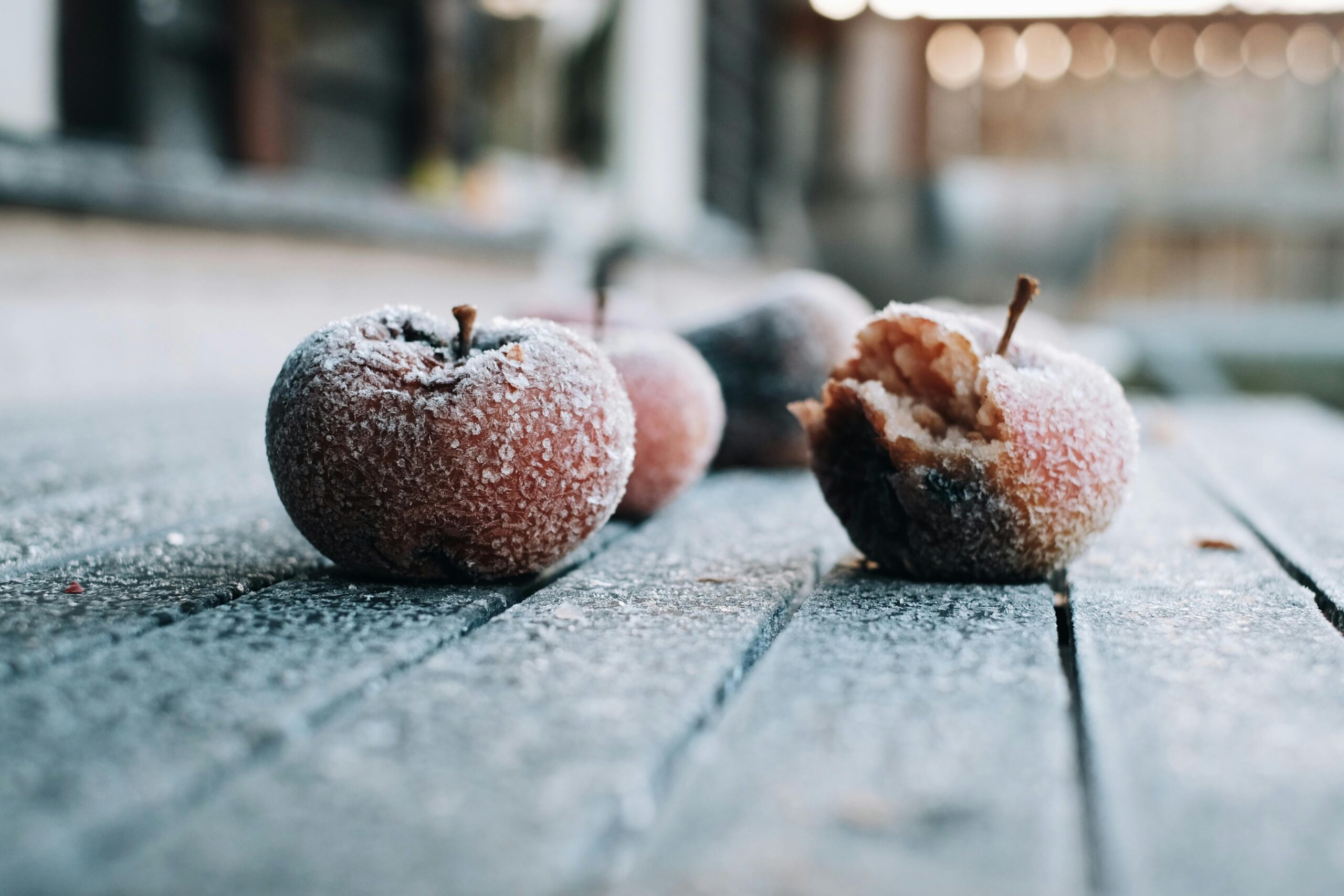
Freezer burn represents one of the most visible manifestations of dehydration in frozen foods. Those white, dried-out patches on your frozen meat aren’t actually burns at all—they’re areas where moisture has escaped from the food and crystallized on the surface or inside the packaging.
This process, scientifically known as sublimation, occurs when ice transitions directly from solid to vapor without becoming liquid first. In your freezer’s low-humidity environment, water molecules at the food’s surface have enough energy to break free and migrate to colder surfaces, typically the packaging or freezer walls.
The Sublimation Process Explained 🔬
Sublimation happens continuously in freezers because most home freezers operate at temperatures between -18°C and -23°C (0°F to -10°F), where vapor pressure differences drive moisture migration. The rate of sublimation depends on several factors: storage temperature, temperature fluctuations, packaging quality, and storage duration.
When your freezer cycles on and off, temperature fluctuations accelerate sublimation. Each warming cycle provides moisture molecules with additional energy to escape, while each cooling cycle creates temperature gradients that drive moisture movement within the food and toward the surface.
The Crystal Structure: How Ice Formation Damages Food
When water freezes inside food, it forms ice crystals that can physically damage cellular structures. The size and location of these crystals dramatically affect food quality after thawing. Rapid freezing creates small ice crystals that cause minimal cellular damage, while slow freezing produces large crystals that puncture cell walls and membranes.
Commercial flash-freezing techniques use extremely cold temperatures (-40°C or lower) to freeze foods within minutes, creating microscopic ice crystals. Home freezers, operating at much warmer temperatures, typically require hours to freeze foods completely, resulting in larger, more damaging crystals.
Recrystallization: The Hidden Enemy 🧬
Even after food is completely frozen, ice crystals continue changing through a process called recrystallization. Small crystals merge into larger ones over time, especially during temperature fluctuations. These growing crystals progressively damage more cellular structures, creating channels through which moisture can escape more easily.
Recrystallization explains why foods stored for extended periods, even at stable temperatures, gradually lose quality. The longer foods remain frozen, the more pronounced these structural changes become, leading to increased drip loss upon thawing and deteriorated texture.
Dehydration in Refrigerated Storage: The Slow Moisture Loss
Refrigerated storage presents different but equally important dehydration challenges. Unlike freezing, refrigeration doesn’t involve phase changes, but moisture loss still occurs through evaporation. The low relative humidity typical of refrigerator environments (usually 30-50%) creates a moisture gradient that draws water from food surfaces.
Uncovered foods in refrigerators lose moisture rapidly, developing dried, leathery surfaces. Vegetables wilt, meats develop tough exteriors, and cheeses become hard and cracked. This surface dehydration not only affects appearance but also creates entry points for bacteria and accelerates overall spoilage.
The Role of Vapor Pressure Deficit 💨
Vapor pressure deficit—the difference between the moisture content in food and the surrounding air—drives dehydration in refrigerated storage. Fresh produce, with its high moisture content, experiences significant vapor pressure deficit in the low-humidity refrigerator environment, causing rapid moisture loss.
Different foods have different vapor pressure characteristics based on their composition, surface area, and protective barriers like peels or rinds. Leafy vegetables with high surface-to-volume ratios dehydrate much faster than dense root vegetables with protective skins.
Packaging Technologies: Barriers Against Dehydration
Modern food packaging has evolved specifically to combat dehydration during storage. Understanding packaging technologies helps consumers make better food storage decisions and understand why some packaging works better than others.
- Vacuum Sealing: Removes air to minimize oxygen exposure and reduce vapor pressure differences
- Modified Atmosphere Packaging: Replaces air with specific gas mixtures to slow deterioration
- Moisture-Barrier Films: Specialized plastics with low water vapor transmission rates
- Oxygen Absorbers: Chemical packets that remove oxygen to prevent oxidative damage
- Desiccants: Moisture-absorbing materials that control humidity inside packages
Material Science in Food Packaging 📦
Different packaging materials offer varying levels of protection against dehydration. Water vapor transmission rate (WVTR) measures how much moisture passes through packaging material over time. Lower WVTR values indicate better moisture barriers.
Polyethylene and polypropylene, common in food packaging, offer moderate moisture barriers. Aluminum foil provides excellent barriers but lacks flexibility. Multi-layer laminates combining different materials offer optimal protection by leveraging the strengths of various materials while minimizing their individual weaknesses.
Temperature Fluctuations: The Accelerator of Dehydration
Consistent temperature maintenance is critical for minimizing dehydration in stored and frozen foods. Temperature fluctuations—whether in freezers or refrigerators—dramatically accelerate moisture loss and quality degradation.
Every time you open your freezer door, warm, humid air enters. When the door closes and the freezer cools again, that moisture condenses and freezes, often on food surfaces. This frost formation represents water that has migrated from your frozen foods or from the incoming air, contributing to freezer burn and general dehydration.
The Thaw-Refreeze Cycle Catastrophe ❄️
Thawing and refreezing foods represents the worst-case scenario for dehydration damage. During thawing, damaged cell structures release moisture that collects on surfaces or drains away. Refreezing this partially dehydrated food creates new, often larger ice crystals in different locations, causing additional structural damage.
Repeated freeze-thaw cycles progressively destroy food quality through cumulative dehydration and structural damage. Each cycle removes more moisture, creates larger ice crystals, and further compromises cellular integrity, resulting in increasingly unpalatable food.
Chemical Changes Accompanying Dehydration
Dehydration doesn’t just remove water—it triggers cascading chemical changes that affect flavor, color, nutritional value, and safety. As moisture leaves food, the remaining components become more concentrated, accelerating chemical reactions.
Oxidation reactions speed up as water content decreases, leading to rancidity in fats and color changes in pigmented foods. Enzymatic browning accelerates in dehydrating fruits and vegetables. Protein denaturation becomes more pronounced, changing texture and potentially affecting digestibility.
Nutrient Degradation Pathways 🥗
Water-soluble vitamins, particularly vitamin C and B-complex vitamins, are especially vulnerable during dehydration. As moisture migrates to food surfaces, it carries dissolved nutrients with it. When this moisture sublimates or evaporates, those nutrients often oxidize or degrade.
Mineral content remains relatively stable during dehydration, but their bioavailability may change as food structure deteriorates. Fat-soluble vitamins (A, D, E, and K) face oxidative damage as protective water barriers diminish.
Comparative Dehydration Rates Across Food Categories
Different food types experience dehydration at vastly different rates based on their composition, structure, and protective barriers. Understanding these differences helps optimize storage strategies for various foods.
| Food Category | Dehydration Rate | Primary Factors |
|---|---|---|
| Leafy Vegetables | Very High | High surface area, thin cell walls |
| Fresh Meat | High | High moisture content, no protective barrier |
| Bread Products | Moderate-High | Porous structure, large surface area |
| Hard Cheeses | Moderate | Lower moisture, protective rind |
| Root Vegetables | Low-Moderate | Protective skin, dense structure |
| Citrus Fruits | Low | Thick peel barrier, high acidity |
Preventing Dehydration: Evidence-Based Strategies
Armed with understanding of dehydration mechanisms, we can implement effective prevention strategies. These approaches target the fundamental physical and chemical processes driving moisture loss.
Optimal Packaging Techniques 📋
Proper packaging provides the first line of defense against dehydration. Removing excess air from packages minimizes the moisture reservoir that air can hold, reducing the vapor pressure gradient. Wrapping foods tightly in plastic wrap before placing them in containers or bags eliminates air pockets where moisture can accumulate.
Double-wrapping particularly vulnerable foods offers additional protection. A first layer of plastic wrap adheres directly to food surfaces, while an outer layer of aluminum foil or freezer paper provides a secondary moisture barrier and additional insulation against temperature fluctuations.
Strategic Storage Placement 🎯
Where you place foods in refrigerators and freezers affects their dehydration rates. Freezer shelves near the door experience more temperature fluctuations, while back corners maintain more stable conditions. Refrigerator crisper drawers create higher-humidity microclimates ideal for produce.
Avoiding overcrowding allows air circulation necessary for even cooling but shouldn’t be excessive, as too much air movement accelerates surface dehydration. Finding the balance between adequate cooling and minimal moisture loss requires strategic organization.
Industrial Applications: What Food Manufacturers Know
Commercial food processors employ sophisticated technologies to minimize dehydration in frozen and stored products. Understanding these industrial approaches provides insights applicable to home storage.
Blast freezing tunnels expose foods to ultra-cold air (-40°C or lower) moving at high velocity, freezing products in minutes rather than hours. This rapid freezing creates minimal ice crystal damage. Cryogenic freezing using liquid nitrogen or carbon dioxide achieves even faster freezing rates, virtually eliminating structural damage.
Glazing and Protective Coatings 🐟
Many frozen seafood products receive ice glazes—thin layers of frozen water applied by dipping or spraying. These glazes create protective barriers preventing direct sublimation from the food itself. While the glaze may sublimate over time, it protects the underlying food.
Edible coatings made from proteins, polysaccharides, or lipids provide moisture barriers for fruits, vegetables, and other products. These coatings slow dehydration while maintaining breathability necessary for quality preservation.
The Future of Dehydration Prevention Technology
Emerging technologies promise improved protection against dehydration in stored and frozen foods. Nanomaterial-based packaging incorporates molecular-scale barriers with unprecedented moisture-blocking capabilities. Smart packaging with embedded sensors monitors moisture levels and alerts consumers when food quality begins declining.
Bioengineered protective coatings derived from food-grade materials offer improved moisture retention while remaining completely edible. High-pressure processing preserves foods without freezing, maintaining cellular structures better than traditional freezing methods.
Consumer Technology Integration 📱
Smart refrigerators and freezers now feature humidity controls, rapid-freeze functions, and temperature stability systems that minimize dehydration. Some models use vacuum-sealed compartments for extended storage, while others incorporate modified atmosphere systems previously available only in commercial settings.
Internet-connected appliances can alert users to temperature fluctuations, power outages, or door-ajar situations that contribute to dehydration, enabling quick corrective action before significant quality loss occurs.
Recognizing and Salvaging Dehydrated Foods
Despite best efforts, sometimes foods do experience dehydration during storage. Recognizing the signs helps determine whether foods remain safe and potentially usable. Freezer-burned areas appear discolored—white, gray, or brown—and feel dry or leathery. Refrigerated foods show wilting, shriveling, or hardened surfaces.
Severely dehydrated foods lose quality but often remain safe to eat. Trimming away freezer-burned portions removes the most affected areas. Rehydrating dried surfaces through marinades, brines, or cooking in liquid can partially restore texture and palatability.
Making Peace with Physics: Accepting Limitations 🤝
While we can minimize dehydration, completely preventing it in home storage remains practically impossible. Physics dictates that moisture gradients will exist whenever foods with high water activity encounter low-humidity environments. Understanding these limitations helps set realistic expectations.
Rather than pursuing perfect preservation indefinitely, focus on proper storage techniques that maintain quality for reasonable timeframes. Use foods within recommended storage periods, rotate stock regularly, and accept that some quality loss is inevitable during extended storage.
The science behind dehydration in stored and frozen foods reveals complex interactions between physics, chemistry, and biology. Water movement driven by temperature, vapor pressure, and concentration gradients slowly but inexorably changes food characteristics. Ice crystal formation and sublimation create structural damage and moisture loss in frozen foods, while evaporation gradually desiccates refrigerated items.
Modern packaging technologies, proper storage techniques, and emerging innovations provide increasingly effective tools for combating dehydration. Understanding the underlying mechanisms empowers consumers and food professionals to make informed decisions that maximize food quality, minimize waste, and ensure the best possible eating experience. Whether freezing garden harvest surpluses or simply storing weeknight dinner ingredients, applying these scientific principles translates directly into better-tasting, more nutritious meals and reduced food waste—a win for both palates and planet.