
Cold-chain logistics face their greatest challenges when seasonal variations disrupt temperature-controlled supply chains, threatening product integrity and consumer safety worldwide.

🌡️ Understanding Cold-Chain Drift in a Changing Climate
Cold-chain drift represents one of the most significant yet underappreciated challenges in temperature-sensitive logistics. This phenomenon occurs when products deviate from their required storage temperatures during transportation and storage, compromising quality, safety, and efficacy. While technology has advanced considerably, seasonal variations continue to create unpredictable conditions that test even the most sophisticated cold-chain systems.
The global cold-chain market, valued at over $250 billion, serves critical industries including pharmaceuticals, food and beverage, chemicals, and biotechnology. Each sector demands precise temperature control, yet each season brings unique complications that can derail carefully planned logistics operations. Understanding these seasonal impacts is essential for maintaining product integrity and meeting regulatory compliance standards.
Winter’s Hidden Hazards: More Than Just Freezing Concerns
Contrary to popular belief, winter presents complex challenges beyond simply preventing products from freezing. The cold months introduce multiple risk factors that demand careful attention from logistics professionals.
Equipment Performance Under Cold Stress
Refrigeration units and temperature monitoring devices experience significant performance variations in winter conditions. Battery life decreases dramatically in sub-zero temperatures, with some data loggers losing up to 40% of their operational capacity. Diesel-powered refrigeration units may struggle to start in extreme cold, while compressor oils thicken, reducing efficiency and increasing fuel consumption.
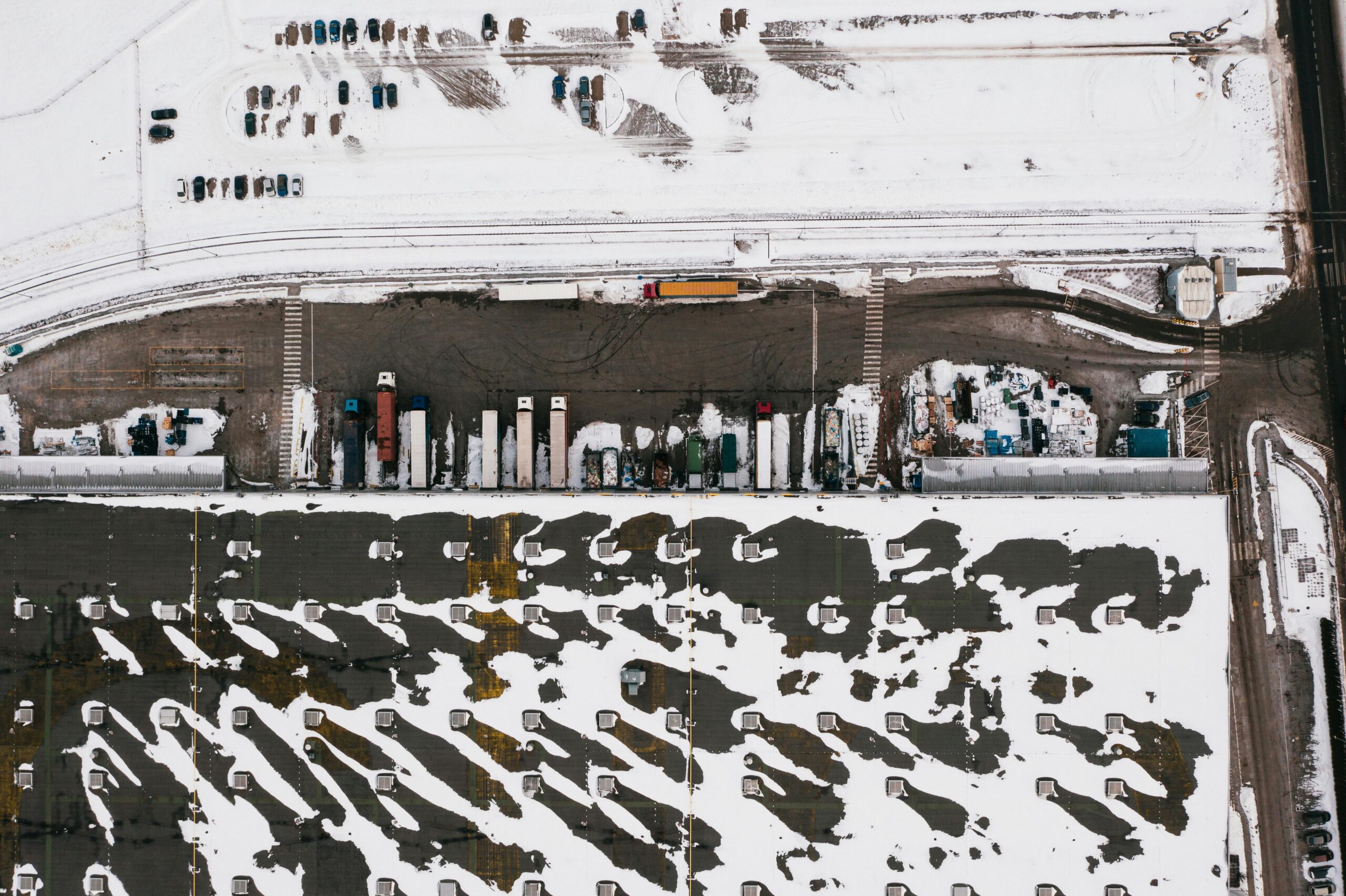
Transportation vehicles face unique winter challenges. Loading dock doors remain open longer as workers bundle against the cold, allowing warm air infiltration that creates temperature fluctuations inside trailers. Ice formation on refrigeration coils can reduce cooling capacity by up to 30%, forcing systems to work harder and consume more energy while paradoxically providing less effective temperature control.
The Paradox of Winter Warming
Perhaps the most counterintuitive winter challenge is the risk of overheating. When ambient temperatures drop below the required storage temperature for certain products, refrigeration units must switch from cooling to heating mode. This transition can create temperature instabilities, particularly during loading and unloading operations. Products requiring storage between 2-8°C (like many vaccines and biologics) are especially vulnerable when outdoor temperatures plummet to -20°C or lower.
Regional variations compound these challenges. A shipment traveling from the southern United States to Canada might experience a 50°C temperature differential, requiring constant system adjustments and vigilant monitoring. These dramatic swings increase the likelihood of cold-chain drift, particularly at modal transfer points where products change hands between carriers.
Summer’s Scorching Impact on Temperature-Sensitive Goods
Summer months bring obvious heat-related challenges, but the complexities extend far beyond simply keeping products cool. The combination of high ambient temperatures, humidity, and increased demand creates a perfect storm for cold-chain failures.
Infrastructure Overload and Capacity Constraints ☀️
During peak summer months, cold-chain infrastructure operates at maximum capacity. Refrigerated warehouses fill to capacity as food and beverage demand surges. This congestion leads to extended dwell times, with products waiting longer at distribution centers and loading docks where temperature control is most vulnerable.
Transportation equipment faces extreme stress during summer. Refrigeration units work continuously to combat 40°C+ ambient temperatures, leading to increased mechanical failures and breakdowns. Studies show that refrigerated trailer breakdowns increase by approximately 60% during July and August compared to spring months. Each breakdown represents a potential cold-chain excursion that can compromise entire shipments.
Urban Heat Islands and Last-Mile Delivery
The final delivery stage becomes particularly challenging in summer, especially in urban environments where heat island effects can raise temperatures 5-7°C above surrounding areas. Delivery vehicles making multiple stops must repeatedly open cargo doors, allowing heat infiltration that compounds with each successive stop. Temperature-sensitive medications delivered to pharmacies and consumers face significant exposure risks during these critical last miles.
The growth of e-commerce has intensified these challenges. Direct-to-consumer shipments of refrigerated items have surged, but residential delivery windows often span several hours. Products left on doorsteps, even in insulated packaging with ice packs, can quickly exceed safe temperature thresholds on hot summer days.
Shoulder Seasons: The Unpredictable Transition Periods
Spring and autumn present unique challenges precisely because of their unpredictability. Temperature swings within single days can span 20°C or more, creating operational complexity that demands flexibility and advanced planning.
Diurnal Temperature Variation and Its Consequences
During transitional seasons, products might be loaded in morning temperatures of 5°C and delivered in afternoon temperatures of 25°C. Refrigeration systems must constantly adjust, and these adjustments create opportunities for temperature drift. Automated systems may struggle to respond quickly enough to rapid temperature changes, while manual adjustments depend on operator vigilance that can be inconsistent.
Weather unpredictability during shoulder seasons complicates planning. A late spring frost or early autumn heatwave can catch logistics operations unprepared, with equipment specifications and operational protocols optimized for different conditions. This mismatch between expectations and reality creates vulnerabilities that savvy logistics managers must anticipate through flexible contingency planning.
🌍 Geographic Considerations and Regional Seasonal Patterns
Seasonal impacts vary dramatically by geography, requiring location-specific strategies for maintaining cold-chain integrity. What works in temperate climates may fail catastrophically in tropical or arctic regions.
Tropical Regions and Year-Round Heat Challenges
Equatorial and tropical regions face constant heat stress without the relief of cooler seasons. While this consistency allows for standardized operational procedures, the relentless heat creates cumulative stress on equipment and personnel. Maintenance schedules must be more aggressive, and backup systems become essential rather than optional.
Humidity compounds heat challenges in tropical climates. Moisture infiltration affects insulation effectiveness, promotes condensation that can damage packaging and labels, and accelerates corrosion of refrigeration equipment. These factors contribute to higher operational costs and increased risk of cold-chain failures.
Extreme Climate Adaptations
Arctic and subarctic regions require specialized approaches to cold-chain management. Counter-intuitively, maintaining appropriate temperatures in extreme cold can be more challenging than in moderate climates. Products must be protected from freezing while maintaining refrigerated temperatures, requiring sophisticated heating systems and constant monitoring.
Desert climates present their own unique combination of extreme heat during day and significant cooling at night. These dramatic diurnal swings require refrigeration systems capable of both aggressive cooling and precise temperature maintenance, often within the same 24-hour period.
Technology Solutions for Seasonal Cold-Chain Challenges
Modern technology offers unprecedented capabilities for managing seasonal variations and preventing cold-chain drift. However, technology alone cannot solve these challenges—successful implementation requires integration with operational procedures and human expertise.
Advanced Monitoring and Predictive Analytics 📊
Real-time temperature monitoring systems have evolved from simple data loggers to sophisticated IoT devices providing continuous visibility across entire supply chains. These systems track not only temperature but also humidity, location, light exposure, and shock events. Advanced analytics can predict potential excursions before they occur, allowing preemptive corrective actions.
Machine learning algorithms analyze historical data to identify patterns and risk factors associated with seasonal variations. By correlating temperature excursions with weather data, transportation routes, carrier performance, and seasonal patterns, these systems provide actionable insights that inform better decision-making and resource allocation.
Adaptive Packaging and Thermal Management
Phase change materials (PCMs) have revolutionized thermal packaging for cold-chain shipments. Unlike traditional ice packs that provide cooling only while frozen, PCMs maintain specific temperature ranges for extended periods by absorbing and releasing thermal energy at predetermined temperatures. Different PCM formulations can be selected based on seasonal conditions and expected transit times.
Vacuum-insulated panels (VIPs) provide superior insulation in compact form factors, essential for space-constrained shipping containers. These advanced materials maintain their effectiveness across wide temperature ranges, making them valuable for year-round applications where seasonal variations demand consistent performance.
Operational Strategies for Mitigating Seasonal Drift
Technology enables better cold-chain management, but operational excellence remains fundamental. Strategic approaches adapted to seasonal variations can dramatically reduce drift incidents and protect product integrity.
Seasonal Route Optimization
Smart logistics planning accounts for seasonal weather patterns when designing transportation routes. Summer shipments might avoid routes through desert regions during peak heat hours, while winter shipments might bypass mountain passes prone to severe weather. Real-time route adjustment capabilities allow carriers to respond to unexpected weather events, rerouting shipments to avoid temperature extremes or delays that increase exposure time.
Timing strategies also play crucial roles. Scheduling deliveries during cooler morning hours in summer or warmer afternoon hours in winter can reduce thermal stress on products and equipment. While these approaches may complicate scheduling, the reduction in temperature excursions justifies the operational complexity for high-value or critical shipments.
Preventive Maintenance and Equipment Readiness 🔧
Seasonal maintenance schedules ensure refrigeration equipment performs optimally when conditions demand peak performance. Pre-summer inspections focus on cooling capacity, refrigerant levels, and condenser cleaning. Pre-winter maintenance emphasizes heating systems, battery condition, and cold-weather fluids. This proactive approach prevents breakdowns during critical seasons when equipment works hardest and failures cause greatest impact.
Backup equipment availability becomes essential during peak seasons. Whether spare refrigeration units, additional vehicles, or emergency response kits, these resources provide crucial insurance against the inevitable equipment failures and unexpected challenges that seasonal extremes create.
Regulatory Compliance and Documentation Across Seasons
Regulatory agencies worldwide mandate strict temperature control for pharmaceuticals, biologics, and many food products. These requirements don’t relax during challenging seasonal conditions—if anything, scrutiny intensifies when excursions occur.
Good Distribution Practice (GDP) and Seasonal Considerations
GDP guidelines require organizations to assess and mitigate risks to product quality throughout distribution. Seasonal variations represent identifiable risks that must be documented, assessed, and addressed through written procedures and validation studies. Temperature mapping studies should account for worst-case seasonal scenarios, and qualification protocols must demonstrate equipment capability across the full range of expected operating conditions.
Documentation becomes particularly critical when temperature excursions occur. Complete temperature records, including contextual information about ambient conditions, equipment status, and corrective actions taken, provide the evidence necessary to assess product impact and satisfy regulatory requirements. Seasonal challenges may explain excursions but don’t excuse them—proper documentation demonstrates due diligence and supports product disposition decisions.
Financial Implications of Seasonal Cold-Chain Management 💰
Seasonal variations directly impact cold-chain costs through multiple mechanisms. Energy consumption for refrigeration varies dramatically with ambient temperature, with summer cooling costs potentially doubling compared to moderate seasons. Equipment maintenance and replacement costs increase during periods of peak stress, while product losses from temperature excursions represent direct financial impacts.
Insurance premiums for temperature-sensitive cargo often reflect seasonal risk variations. Some insurers apply seasonal surcharges for summer shipments or require additional protective measures during extreme weather periods. These costs must be factored into overall supply chain economics and pricing strategies.
Conversely, investments in seasonal preparedness generate measurable returns through reduced product losses, fewer regulatory complications, and improved customer satisfaction. Organizations that successfully manage seasonal challenges gain competitive advantages through superior reliability and reduced risk exposure.
Building Resilient Cold-Chains for All Seasons 🛡️
Creating truly resilient cold-chain operations requires comprehensive approaches that address technology, processes, people, and partnerships. No single solution provides complete protection—instead, layered defenses create redundancy that maintains product integrity even when individual components fail.
Personnel training plays crucial roles in seasonal preparedness. Warehouse workers, drivers, and logistics coordinators must understand seasonal risks and recognize early warning signs of potential problems. Empowering frontline personnel to make decisions and take corrective actions provides responsiveness that automated systems alone cannot achieve.
Collaboration with supply chain partners extends resilience beyond organizational boundaries. Sharing weather forecasts, capacity constraints, and real-time shipment data enables coordinated responses to seasonal challenges. Strategic partnerships with multiple carriers provide flexibility when capacity constraints or service disruptions affect primary providers.
Looking Forward: Climate Change and Cold-Chain Evolution
Climate change adds uncertainty to seasonal patterns that cold-chain operations have historically relied upon. Traditional seasonal expectations no longer hold as reliably, with extreme weather events occurring more frequently and outside typical seasonal windows. Record-breaking temperatures, both hot and cold, challenge infrastructure designed for historical climate norms.
Forward-thinking organizations recognize these trends and build additional flexibility into their cold-chain strategies. This might include equipment rated for wider temperature ranges, more aggressive contingency planning, or geographic diversification of critical infrastructure. The cold-chain operations that thrive in coming decades will be those that anticipate change rather than merely reacting to it.
Sustainability considerations increasingly influence cold-chain design decisions. Energy-efficient refrigeration systems, alternative refrigerants with lower global warming potential, and renewable energy sources for cold storage facilities represent investments that serve both environmental and operational objectives. These technologies often provide benefits across all seasons while reducing carbon footprints.
Mastering the Seasonal Cold-Chain Challenge
Seasonal variations represent permanent features of cold-chain logistics, not problems to be solved but challenges to be managed through knowledge, planning, and execution excellence. Success requires understanding how each season uniquely impacts temperature-controlled supply chains and implementing appropriate countermeasures tailored to specific products, routes, and operational contexts.
The most successful organizations treat seasonal preparedness as ongoing processes rather than periodic activities. Continuous improvement cycles incorporate lessons from each season, gradually building institutional knowledge and operational capabilities that deliver consistent performance regardless of weather conditions or calendar dates.
As supply chains globalize and products become increasingly sensitive to temperature variations, the stakes for effective seasonal cold-chain management continue rising. Whether protecting life-saving medications, maintaining food safety, or preserving product quality, the ability to navigate seasonal challenges separates industry leaders from followers. By embracing technology, optimizing operations, and fostering cultures of excellence, cold-chain professionals can transform seasonal variations from threats into manageable variables within sophisticated, resilient supply chain systems.